
Flexibility, Mobility, and Stretching: Three Terms That Mean Different Things

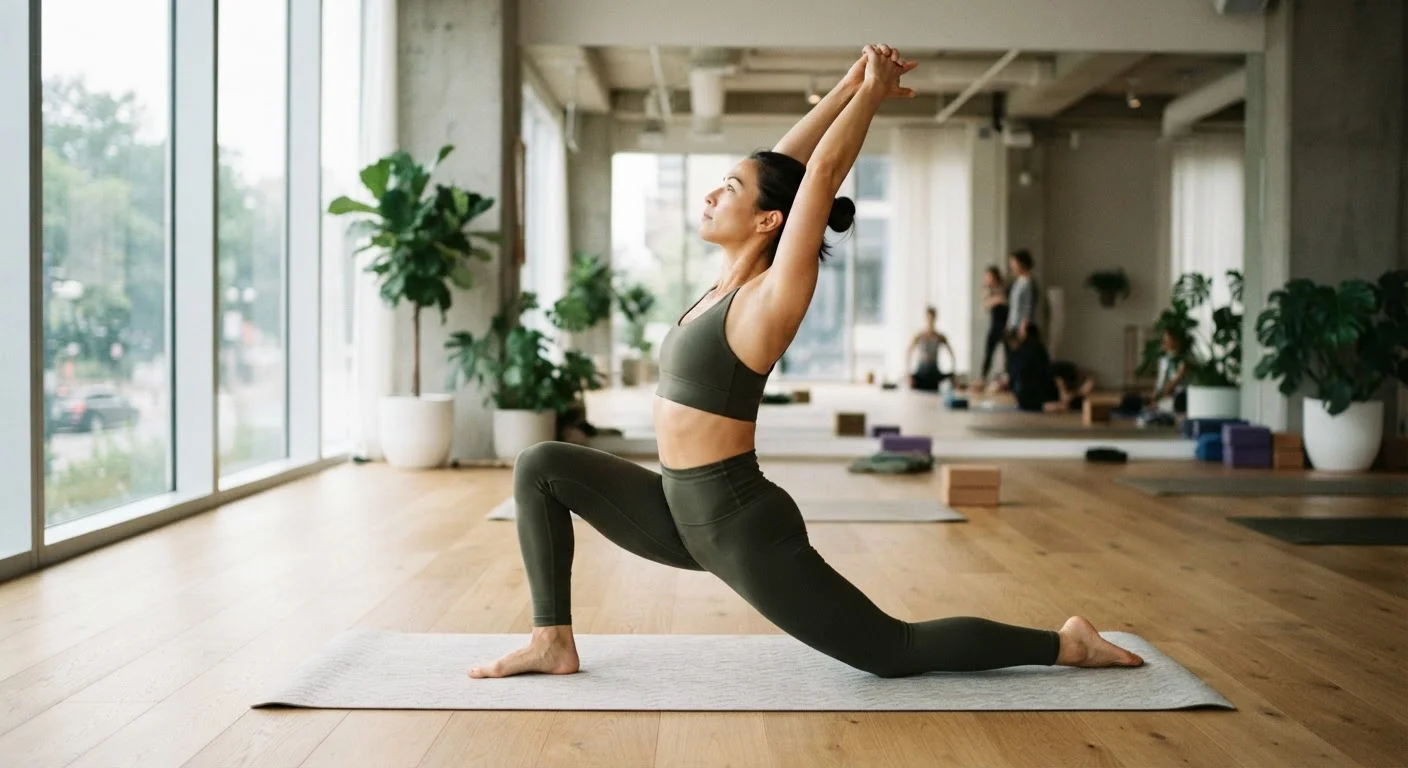
Photo: QuickAdvisor.net editorial
Why These Three Terms Get Confused
Walk into any gym or scroll through any fitness app and you'll encounter the words flexibility, mobility, and stretching used as though they mean the same thing. They don't - and that matters. Confusing them can lead to training gaps, unmet expectations, or even injury. Understanding what each term actually describes helps you make smarter choices about how you move and care for your body.
This is the same kind of distinction that trips people up in other health contexts - similar to how therapy, coaching, and counseling each describe different roles even though the terms are often used interchangeably. Precision matters.
| What flexibility measures | Passive muscle lengthening capacity |
| What mobility measures | Active joint range of motion under muscle control |
| What stretching is | A practice or technique, not a physical quality |
| Primary goal of mobility training | Functional, controlled movement through daily tasks |
| Can you be flexible but not mobile? | Yes - flexibility alone doesn't guarantee movement control |
| Common stretching types | Static, dynamic, and PNF (proprioceptive neuromuscular facilitation) |
Flexibility, Mobility, and Stretching: Defined
Flexibility refers to the passive ability of a muscle or muscle group to lengthen. It describes how far a muscle can stretch when an external force - your own body weight, a strap, or another person - is applied. Flexibility is a property of the muscle tissue itself. Someone may be highly flexible in the hamstrings, for example, yet still struggle with everyday movement.
Mobility is broader. It refers to the active ability of a joint to move through its full range of motion under your own muscle control. Where flexibility is passive, mobility is active. A person with good hip mobility can move their hip through a wide arc deliberately and with control - not just when pushed there externally. Mobility integrates flexibility with strength, coordination, and neuromuscular control.
Stretching is a practice - a set of techniques used to influence flexibility and, indirectly, mobility. Static stretching (holding a position), dynamic stretching (moving through a range), and proprioceptive neuromuscular facilitation (PNF) are all forms of stretching. Stretching is a tool; flexibility and mobility are qualities.
Flexibility
The passive ability of a muscle or group of muscles to lengthen. It describes how far a muscle can be stretched by an external force, such as gravity or manual assistance.
Mobility
The active ability of a joint to move through its full intended range of motion under voluntary muscle control. Mobility combines flexibility with strength, stability, and coordination.
Stretching
A collection of techniques - static, dynamic, and PNF - used to lengthen muscles and connective tissue. Stretching is a training method, not a physical quality in itself.
Range of Motion (ROM)
The extent of movement possible at a joint, measured in degrees. ROM can be active (controlled by your own muscles) or passive (assisted by an external force).
Static Stretching
A form of stretching where a position is held for a set duration (typically 20-60 seconds) to lengthen the targeted muscle. Commonly performed after exercise or as a standalone practice.
Dynamic Stretching
Controlled, movement-based stretching that takes joints through a range of motion repeatedly. Often used as part of a warm-up because it activates muscles while improving mobility.
A useful analogy: flexibility is the raw material, mobility is the finished product, and stretching is one of the manufacturing processes. You can be flexible without being mobile, but it is much harder to be truly mobile without adequate flexibility as a foundation.
Why the Distinction Matters for Everyday Movement
For most Americans, the practical goal isn't achieving extreme flexibility - it's being able to move comfortably through daily life: bending down, reaching overhead, climbing stairs, or sitting and rising from the floor without pain or limitation. Those are mobility tasks, not pure flexibility tests.
Research in exercise science consistently shows that passive flexibility gains don't automatically transfer to improved functional movement. A 2016 review published in the Journal of Strength and Conditioning Research found that mobility training - which combines range-of-motion work with active muscular control - tends to produce more functional outcomes than static stretching alone. If your goal is to move better, mobility-focused training is generally worth prioritizing.
That said, stretching still has real value. It can reduce perceived muscle tension, support recovery, and contribute to the flexibility that underpins good mobility. The myths around stretching - like the idea that it always prevents injury or must be done before exercise - are worth examining separately, but stretching itself remains a legitimate part of a well-rounded movement practice.
When to Consult a Professional
If you're building or adjusting a fitness routine, understanding which quality you're training - flexibility, mobility, or both - helps you select the right approach. Static stretching primarily targets flexibility. Yoga and dynamic warm-ups address both. Targeted joint mobility drills (like hip circles or thoracic rotations) focus primarily on mobility. Each has its place depending on your goals.
This article is for general informational purposes only and does not constitute medical or professional fitness advice. If you have a specific injury, chronic condition, or pain that affects your movement, consult a qualified healthcare professional or licensed physical therapist before beginning any new exercise or stretching program.
The content on this site is for informational purposes only and is not a substitute for professional advice. Always consult a qualified professional for guidance specific to your situation.