
DIY Car Maintenance vs. Taking It to a Shop

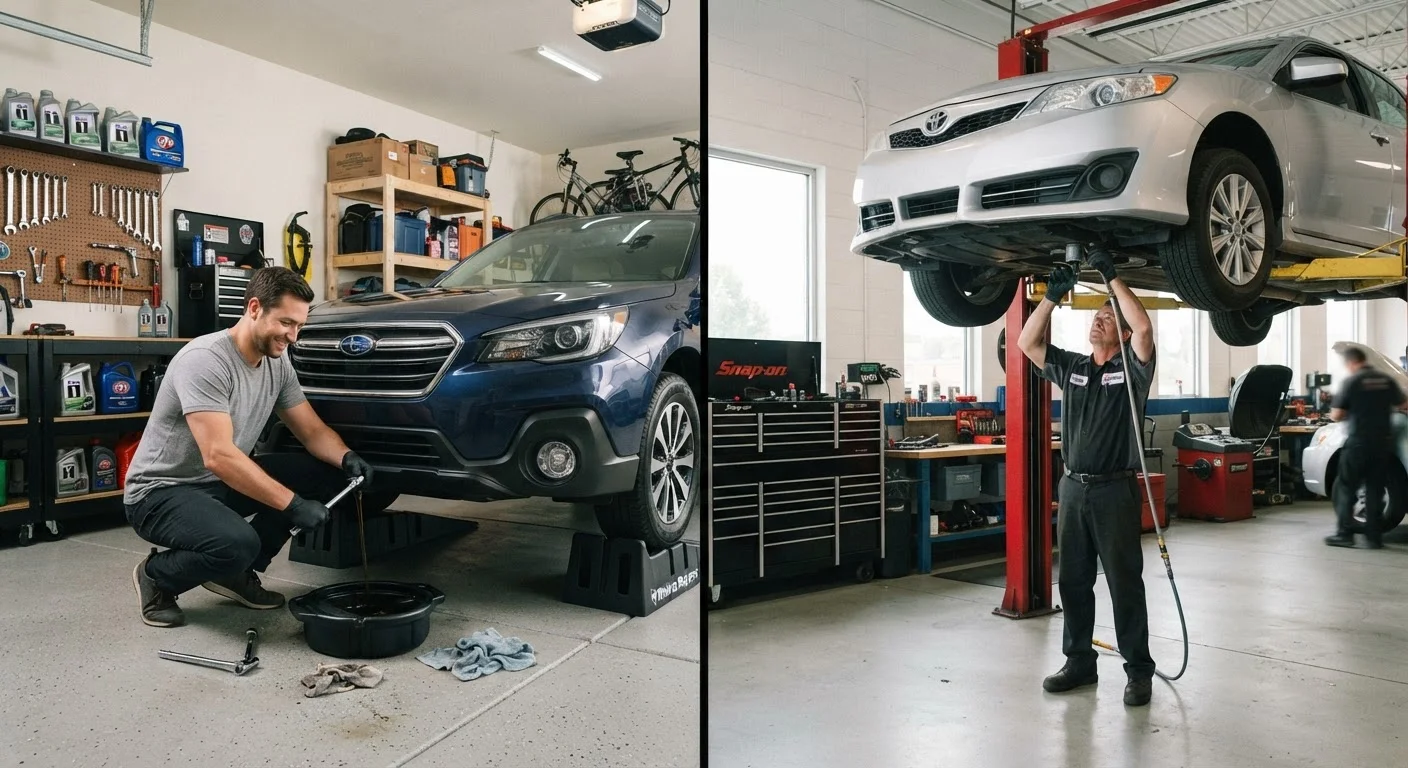
Photo: QuickAdvisor.net editorial
Key Takeaways
- Routine tasks like oil changes, air filter swaps, and wiper replacements are manageable for most careful home mechanics.
- Brake system repairs, transmission work, and electrical diagnostics generally require professional tools and expertise.
- Your owner's manual is the single most reliable source for maintenance intervals and fluid specifications.
- Attempting complex repairs without proper tools or knowledge can create safety hazards and void warranties.
- A hybrid approach - DIY for simple tasks, shop visits for complex ones - is practical and cost-effective.
What Separates a DIY Job from a Shop Job
Not every maintenance task carries the same complexity or risk. The key variables are: how much specialized equipment is required, how directly the system affects vehicle safety, and whether an error could cause cascading damage. Tasks that score low on all three fronts are usually fine for a motivated home mechanic. Those that score high on even one factor deserve professional attention.
Before attempting any maintenance, consult your owner's manual. As we explain in our guide on reading your owner's manual, manufacturer specifications for fluid types, torque settings, and service intervals are vehicle-specific - generic advice can lead you astray. For a broader overview of when and what to service, see your car's maintenance schedule, explained.
| DIY at Home | Professional Shop | |
|---|---|---|
| Engine air filter | Easy - no tools needed | Unnecessary for most drivers |
| Oil and filter change | Manageable with basic tools | Convenient; ensures proper disposal |
| Brake pad replacement | High risk; shop recommended | Preferred for safety assurance |
| Timing belt/chain | Not recommended - high damage risk | Required; precision-critical job |
| Wheel alignment | Not possible without alignment rack | Requires specialized equipment |
| Electrical diagnostics | Limited without pro-grade scan tools | Best option for accuracy |
| Wiper blade replacement | Quick, simple, no tools | Rarely worth the shop visit |
| Transmission service | Not recommended for home mechanics | Essential professional service |
Tasks Most Drivers Can Tackle at Home
Several routine jobs require only basic tools, carry minimal safety risk, and follow straightforward steps that manufacturers publish in owner's manuals:
- Engine air filter replacement: Typically a tool-free job taking under 10 minutes. A clogged filter reduces fuel efficiency and engine performance.
- Windshield wiper blade replacement: Usually a simple clip-and-slide mechanism. Blades should be replaced roughly once a year or when streaking begins.
- Cabin air filter swap: Often located behind the glove box. Replacement improves interior air quality and HVAC performance.
- Oil and oil filter change: Manageable for a careful DIYer with the right drain pan, socket set, and manufacturer-specified oil. Proper disposal of used oil at a recycling center is required.
- Battery terminal cleaning and battery replacement: Straightforward if you follow the correct disconnect sequence (negative first, positive last when reconnecting) to avoid electrical shorts.
If you're new to owning a vehicle, our first-time car owner's maintenance primer offers a solid foundation for building these habits safely.
Start Small to Build Confidence
Jobs That Belong in a Professional Shop
Some repairs require specialized equipment, calibrated tools, or system-level knowledge that goes well beyond what most home garages can support. Attempting these without proper training creates real safety risks.
- Brake system repairs: Replacing brake pads is borderline manageable for experienced DIYers, but any work involving brake lines, calipers, or ABS modules requires professional handling. Brake failure is life-threatening.
- Transmission service and repair: Whether automatic or manual, transmissions involve intricate hydraulics and tolerances that demand professional-grade equipment and expertise.
- Timing belt or chain replacement: Improper installation can cause severe engine damage within seconds of startup. This is a job that warrants professional precision.
- Wheel alignment: Requires a dedicated alignment rack. Misalignment accelerates tire wear and compromises handling - guesswork isn't safe here.
- Electrical and computer diagnostics: Modern vehicles rely on dozens of interconnected control modules. Diagnosing fault codes accurately typically requires a professional-grade scan tool and interpretation experience.
Keep in mind that some dealer or manufacturer warranties specify that certain services must be performed by certified technicians to remain valid. Check your documentation before proceeding with DIY repairs on newer vehicles.
Don't Let DIY Savings Create Bigger Costs
The Hybrid Approach: Getting the Balance Right
Most drivers land somewhere in the middle - comfortable handling the straightforward stuff at home while relying on a trusted shop for anything involving safety systems or specialized equipment. This approach stretches your maintenance budget without cutting corners where it counts.
Seasonal maintenance is a useful lens here. Before winter or summer, certain checks - fluid levels, tire condition, battery health - are easy DIY inspections. Others, like coolant system pressure tests or suspension inspections, benefit from a professional eye. Our guide on seasonal car care walks through what to prioritize at each extreme of the calendar.
The goal isn't to do everything yourself - it's to understand your vehicle well enough to make informed decisions about when you need help. That knowledge alone makes you a more confident, safer driver. For broader context on ownership responsibilities, explore our Buying & Owning hub.
The content on this site is for informational purposes only and is not a substitute for professional advice. Always consult a qualified professional for guidance specific to your situation.