
The Science of a Scar: What Happens Under Your Skin After a Cut

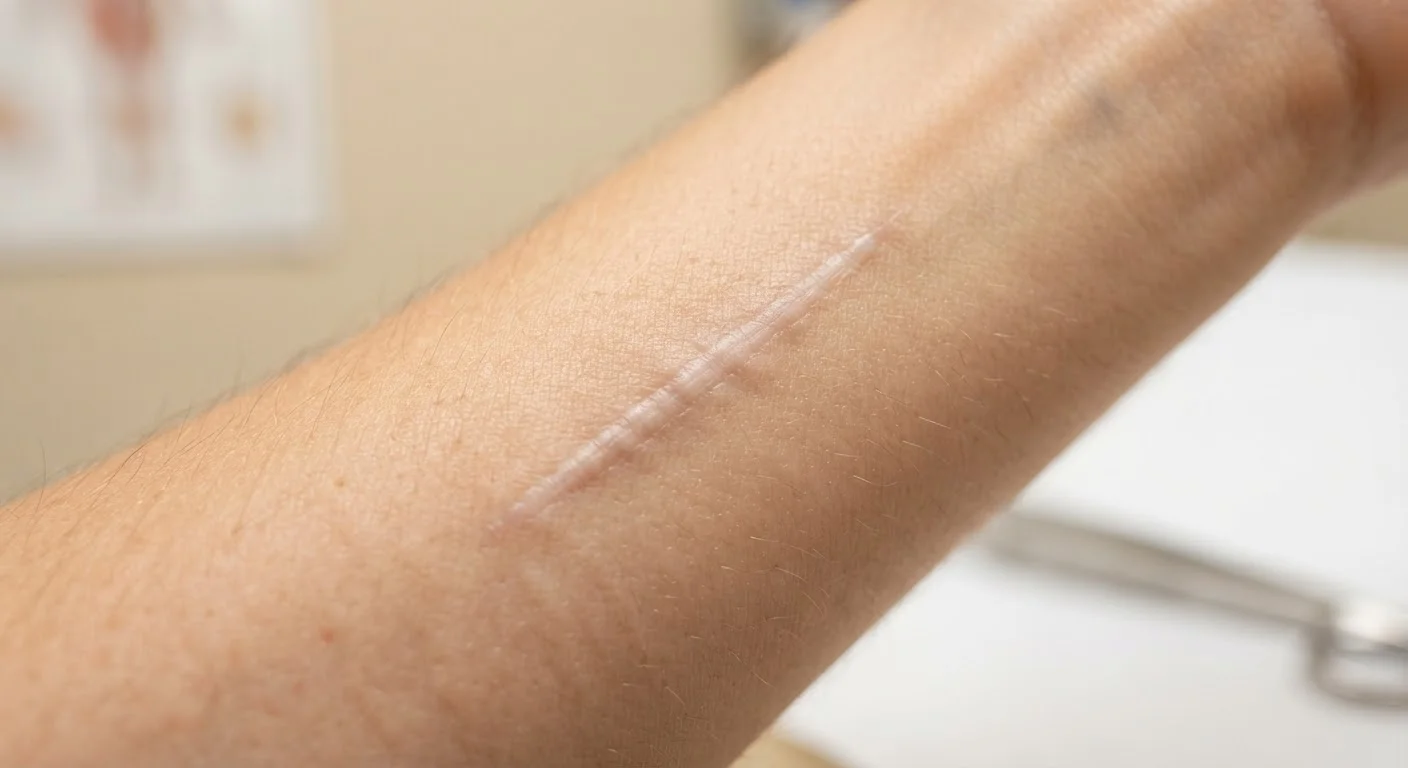
Photo: QuickAdvisor.net editorial
Key Takeaways
- Wound healing occurs in four sequential stages: hemostasis, inflammation, proliferation, and remodeling.
- Platelets form an initial clot within minutes of injury, stopping blood loss before healing begins.
- Inflammation, though uncomfortable, is an essential and protective part of the healing process.
- Scar tissue differs from normal skin because its collagen fibers are arranged in parallel rather than a basketweave pattern.
- The remodeling phase can continue for up to two years after a wound closes.
- Factors like wound depth, location, genetics, and age affect how visible a final scar becomes.
Stage One: Stopping the Bleed (Hemostasis)
Within seconds of a cut breaking through the skin, your body's first priority is simple and urgent: stop the bleeding. This stage is called hemostasis, from the Greek words for blood and stopping.
Damaged blood vessel walls immediately signal tiny blood cells called platelets to rush to the site. Platelets clump together and release chemical signals that trigger a cascade of proteins in your blood, ultimately forming a mesh of fibrin - a protein that acts like a microscopic net to trap more platelets and red blood cells. The result is a clot, and eventually, a scab. That dark crust isn't just a nuisance; it's a biological bandage protecting the repair work happening underneath.
4
Distinct stages in the wound healing process
Hemostasis, inflammation, proliferation, and remodeling are the four recognized phases described in dermatological and wound care literature.
~2 years
Duration of the skin remodeling phase
According to wound healing research, the remodeling phase can continue for up to 24 months after a wound surface appears closed.
80%
Tensile strength scar tissue regains vs. original skin
Studies in wound biology indicate that fully remodeled scar tissue typically recovers approximately 80% of original skin strength, not 100%.
Stage Two: The Inflammatory Response
Once the bleeding is controlled, inflammation begins - and despite its reputation, this stage is essential. The redness, warmth, and swelling you notice around a cut are signs that your immune system has mobilized.
White blood cells called neutrophils flood the area within hours, destroying bacteria and clearing out damaged tissue. They're followed by macrophages, larger immune cells that continue cleaning the wound while releasing growth factors - molecular signals that essentially tell the body: start building. Without this inflammatory response, wounds would become infected and healing would stall entirely.
Don't Suppress Normal Inflammation
Stage Three: Building New Tissue (Proliferation)
Over the next several days to weeks, your body shifts into active construction mode. This is the proliferation phase, and it involves three simultaneous processes working in coordination.
First, specialized cells called fibroblasts migrate into the wound and begin producing collagen, the structural protein that gives skin its strength. Second, new blood vessels sprout into the area through a process called angiogenesis, supplying oxygen and nutrients to the growing tissue. Third, skin cells called keratinocytes crawl across the wound surface from the edges inward, gradually closing the gap.
The new tissue that forms during this stage - pink, slightly raised, and fragile - is called granulation tissue. It's the biological scaffolding on which mature skin will eventually be rebuilt.
Stage Four: Remodeling and the Final Scar
Once the wound is closed, the work isn't done. The remodeling phase can last anywhere from several months to two full years. During this time, the body reorganizes and strengthens the collagen it laid down during proliferation.
Here's the key reason scars look different from surrounding skin: during rapid repair, the body deposits collagen fibers quickly and in parallel lines. Normal, uninjured skin has collagen arranged in a random basketweave pattern that gives it flexibility and resilience. Scar tissue, with its parallel arrangement, is structurally different - often tighter, shinier, and less able to stretch.
As remodeling progresses, scars typically flatten and fade from red or pink toward a silvery or skin-toned color. The final appearance depends on wound depth, your genetics, your age, and even which part of the body was injured - areas under constant movement or tension tend to produce more noticeable scars.
This article is for general informational and educational purposes only and is not a substitute for professional medical advice. Consult a qualified healthcare provider for any questions about wound care, skin conditions, or medical treatment.
Frequently Asked Questions
The content on this site is for informational purposes only and is not a substitute for professional advice. Always consult a qualified professional for guidance specific to your situation.