
Why Your Heart Rate Spikes the Moment You Stand Up

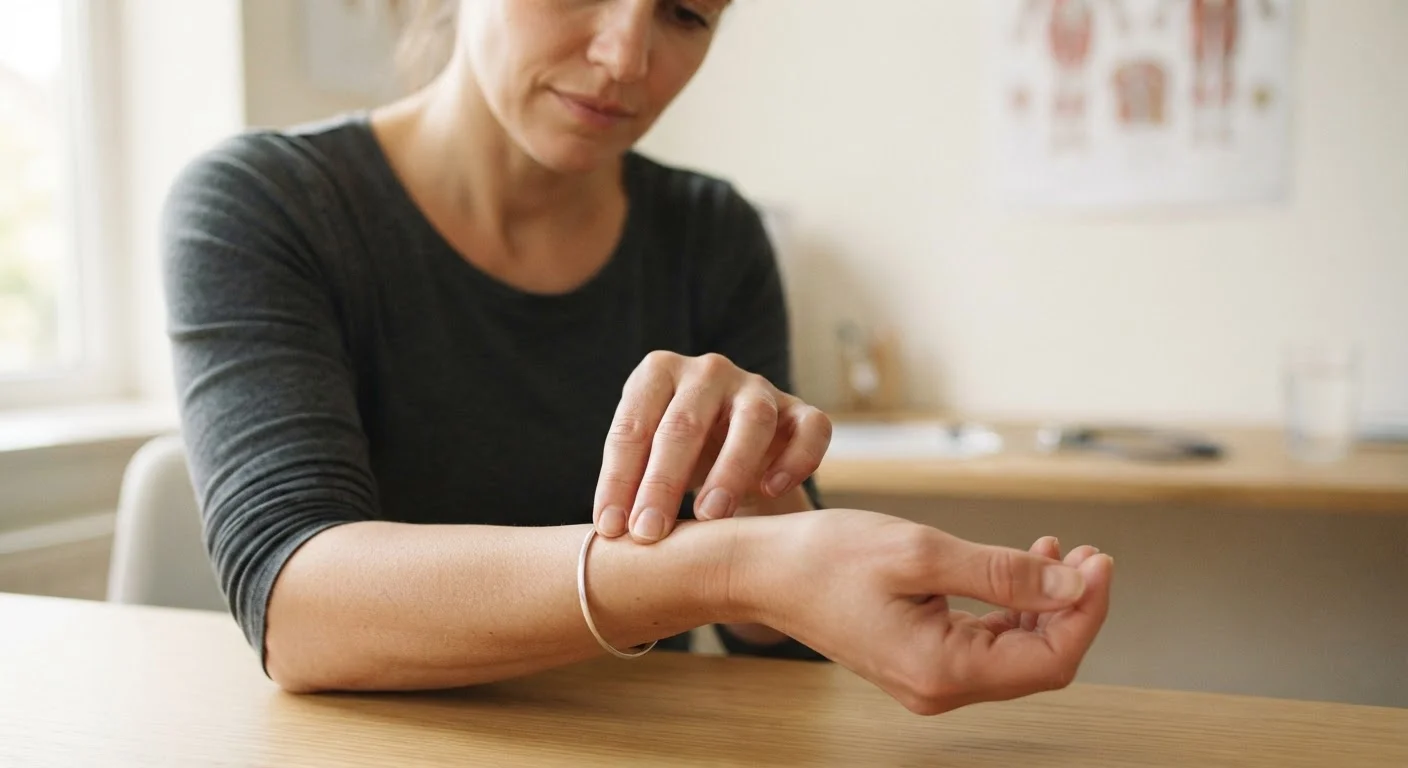
Photo: QuickAdvisor.net editorial
Key Takeaways
- Standing up causes blood to pool in the lower body, temporarily reducing blood return to the heart.
- Your autonomic nervous system detects the pressure drop and signals the heart to beat faster within seconds.
- A transient heart rate increase of 10-20 beats per minute on standing is considered normal.
- Dizziness or lightheadedness upon standing may indicate orthostatic hypotension, a condition worth discussing with a doctor.
- Hydration, fitness level, medications, and age all influence how strongly the orthostatic response occurs.
Gravity Is Always Working Against Your Heart
Every time you go from sitting to standing, your body silently wages a small battle against gravity. In the moments immediately after you rise, roughly 300-800 milliliters of blood - nearly a full pint - shifts downward into the veins of your legs and abdomen. This blood pooling temporarily reduces the volume of blood returning to your heart, which in turn causes a brief drop in blood pressure.
Your brain depends on a continuous, steady supply of oxygenated blood. Any significant disruption triggers an immediate alarm. The sensors responsible for catching this are called baroreceptors, located in the walls of the carotid arteries in the neck and in the aorta, the body's largest artery. These pressure-sensing nerve endings detect the sudden drop and fire signals to the brain's cardiovascular control centers within milliseconds.
Your Body Does This Without You Noticing
The Autonomic Nervous System Steps In
The response that follows is orchestrated by the autonomic nervous system - specifically its sympathetic branch, often described as the "fight-or-flight" division. Upon receiving baroreceptor signals, the sympathetic nervous system releases the hormone norepinephrine, which acts on the heart and blood vessels simultaneously.
The heart speeds up - a process called a positive chronotropic response - and the force of each beat increases. At the same time, blood vessels in the limbs and abdomen constrict, helping squeeze blood back toward the core and the brain. This combined action typically restores blood pressure to normal levels within 30 to 60 seconds of standing. The entire sequence is involuntary; you cannot consciously choose to skip it or slow it down.
“The cardiovascular system's ability to maintain blood pressure across different body positions is a remarkable feat of real-time regulation, involving a continuous dialogue between pressure sensors, the brain, the heart, and the blood vessels.”
— American Heart Association, National cardiovascular health organization
What a Normal Response Looks Like - and When It Isn't
In healthy adults, standing usually causes a heart rate increase of approximately 10-20 beats per minute, peaking within the first 15 seconds and normalizing quickly. Blood pressure may dip slightly before recovering. Most people never notice this process at all - the body handles it seamlessly.
When the system lags, the result is orthostatic hypotension: a drop in systolic blood pressure of at least 20 mmHg (or diastolic by 10 mmHg) within three minutes of standing. This manifests as lightheadedness, momentary visual dimming, or that "head rush" feeling many people recognize. Dehydration is a leading trigger, as reduced blood volume gives the heart less to work with.
A more pronounced dysfunction, Postural Orthostatic Tachycardia Syndrome (POTS), involves a sustained heart rate increase of more than 30 beats per minute upon standing, often accompanied by fatigue and palpitations. POTS requires clinical evaluation - it is not a self-diagnosable or self-treatable condition.
300-800 mL
Blood volume that shifts to lower body on standing
Cardiovascular physiology research estimates this gravitational redistribution occurs within the first few seconds of rising upright.
~30 sec
Time for blood pressure to normalize after standing
In healthy individuals, the autonomic compensation typically restores baseline blood pressure within half a minute of standing.
20%
Older adults affected by orthostatic hypotension
Studies suggest orthostatic hypotension affects roughly one in five adults over age 65, often linked to reduced baroreceptor sensitivity and medication use.
Factors That Influence Your Orthostatic Response
Several everyday variables affect how strongly - or smoothly - this reflex fires. Hydration is among the most significant: even mild fluid deficits reduce blood volume and strain the compensatory system. Age matters too; baroreceptor sensitivity tends to decline with age, which is why orthostatic symptoms are more common in older adults.
Certain medications - including diuretics, antihypertensives, and some antidepressants - can blunt or interfere with the response. Prolonged bed rest or inactivity deconditions the cardiovascular reflex, making position changes harder to manage. Conversely, regular aerobic exercise tends to sharpen the system's efficiency over time.
Ambient heat causes peripheral blood vessels to dilate, increasing the amount of blood that pools in the legs when standing, which intensifies the orthostatic challenge. This is why standing up quickly in a hot shower can make you feel momentarily faint.
This article is for informational and educational purposes only and does not constitute medical advice. If you experience frequent dizziness, fainting, or unusual heart rate symptoms upon standing, consult a qualified healthcare professional.
Frequently Asked Questions
The content on this site is for informational purposes only and is not a substitute for professional advice. Always consult a qualified professional for guidance specific to your situation.