
Group Fitness vs. Solo Training: Finding What Keeps You Consistent

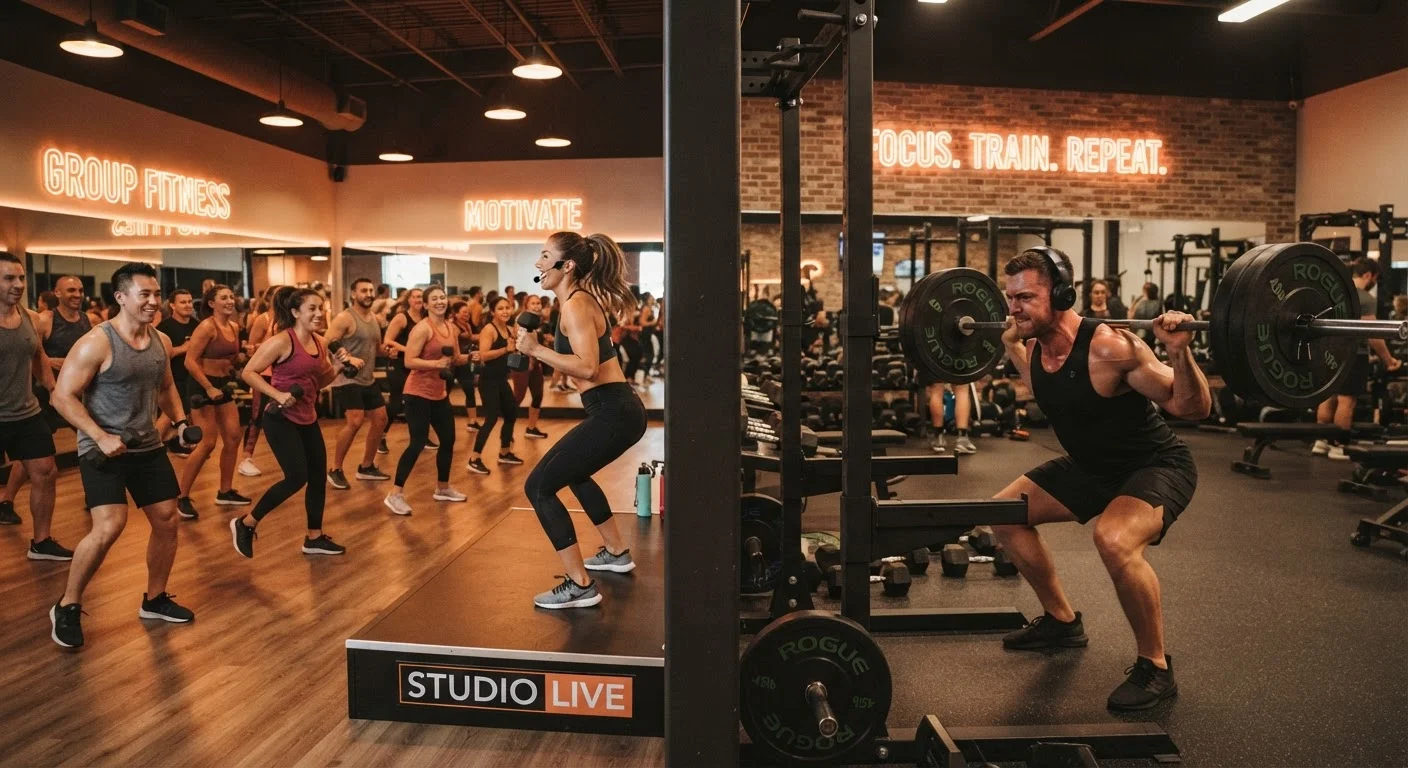
Photo: QuickAdvisor.net editorial
Key Takeaways
- Group fitness tends to boost motivation and accountability through social pressure and shared energy.
- Solo training offers greater flexibility in scheduling, pace, and exercise selection.
- Research suggests social exercise can elevate mood and adherence, but individual preference matters more than the format.
- Many people find a hybrid approach - some group sessions, some solo - most sustainable long-term.
- Consistency is the strongest predictor of fitness progress, regardless of training style.
Why the Setting Matters More Than You Think
Choosing between group fitness and solo training isn't just a logistical decision - it's a psychological one. The environment where you exercise shapes how you feel during a workout, how often you show up, and whether the habit sticks. For readers just getting started with movement, this choice can be the difference between a routine that lasts and one that fades after two weeks.
Fitness research consistently identifies adherence - sticking with exercise over time - as the single most important variable for physical progress. That means the "best" workout format isn't the one with the most sophisticated programming; it's the one you'll actually keep doing. Both group and solo formats have genuine strengths and real limitations worth weighing before you commit.
The Case for Group Fitness
Group fitness classes, team sports, running clubs, and partner workouts all tap into a well-documented phenomenon sometimes called the Köhler effect - the tendency for people to work harder when exercising alongside others than when training alone. Social comparison and a sense of shared effort can push participants beyond what they'd achieve independently.
Beyond raw effort, group settings provide built-in accountability. A scheduled class with a registered spot or a friend waiting at the track creates a social obligation that's harder to skip than a note on your calendar. For many people, this external structure is exactly what bridges the gap between intention and action.
Group formats also tend to introduce variety through instructor-led programming, reducing the decision fatigue of designing your own workouts. And the community aspect carries real psychological benefits - shared experiences and social bonding can make exercise feel less like a chore.
Try Before You Commit to a Format
If you're drawn to group fitness but unsure which format suits you, consider exploring options like cycling classes, yoga, recreational leagues, or bootcamp-style sessions. Each has a distinct social dynamic and intensity level.
The Case for Solo Training
Solo training offers something group formats structurally cannot: complete flexibility. You choose when, where, how long, and at what intensity you work out. For people with demanding or unpredictable schedules, this autonomy is often what makes exercise sustainable. A 6 a.m. solo run or a late-night home session doesn't depend on anyone else's calendar.
Training independently also allows for precise, goal-specific programming. Readers interested in how to balance strength and cardio work based on their individual goals will find that solo training makes those adjustments much easier to implement week to week.
There's also an introspective quality to solo training that some people value deeply - focused effort without social performance, progress measured by personal benchmarks rather than group comparison. For experienced exercisers with established habits, solo work often aligns more naturally with where they are in their fitness journey.
How the Two Approaches Compare
Each format makes different demands and offers different rewards. The table below breaks down how group fitness and solo training stack up across the factors most likely to affect your consistency.
| Group Fitness | Solo Training | |
|---|---|---|
| Scheduling flexibility | Low - class times are fixed | High - fully self-directed |
| Accountability | High - social obligation and instructor | Self-generated only |
| Motivation during sessions | Often elevated by group energy | Depends on internal drive |
| Program customization | Limited - instructor-led format | Complete control over programming |
| Social connection | Strong community-building potential | Minimal unless you train with a partner |
| Barrier to entry | May require registration or fees | Low - can begin at home with no equipment |
| Skill instruction | Guided by trained instructors | Self-taught or supplemented by resources |
Worth noting: these are general patterns, not fixed rules. A highly motivated solo athlete may show stronger adherence than someone who dislikes group settings but feels obligated to attend. Your own motivational profile matters more than any generalization.
Building a Routine That Actually Sticks
Most people who maintain an active lifestyle long-term don't treat this as a binary choice. A common pattern is anchoring the week with one or two group sessions for social accountability, while filling remaining days with flexible solo workouts. This hybrid approach leverages the strengths of both formats while minimizing their downsides.
If you're building habits from the ground up, the foundational habits of workout consistency matter more than the format you choose. Reliable sleep, recovery, and scheduling practices form the base on which any training style can succeed.
It's also worth asking whether your current format is serving you or just familiar. If you're consistently skipping solo sessions, a group commitment might provide the structure you actually need. If group classes feel rigid or poorly matched to your goals, a more independent approach may serve you better. The goal isn't the format - it's staying in motion. For more on training principles that hold up across different structures, see our overview of training approaches that work across fitness levels.
The content on this site is for informational purposes only and is not a substitute for professional advice. Always consult a qualified professional for guidance specific to your situation.