
Conference Realignment in College Sports: Why Schools Switch and What It Means

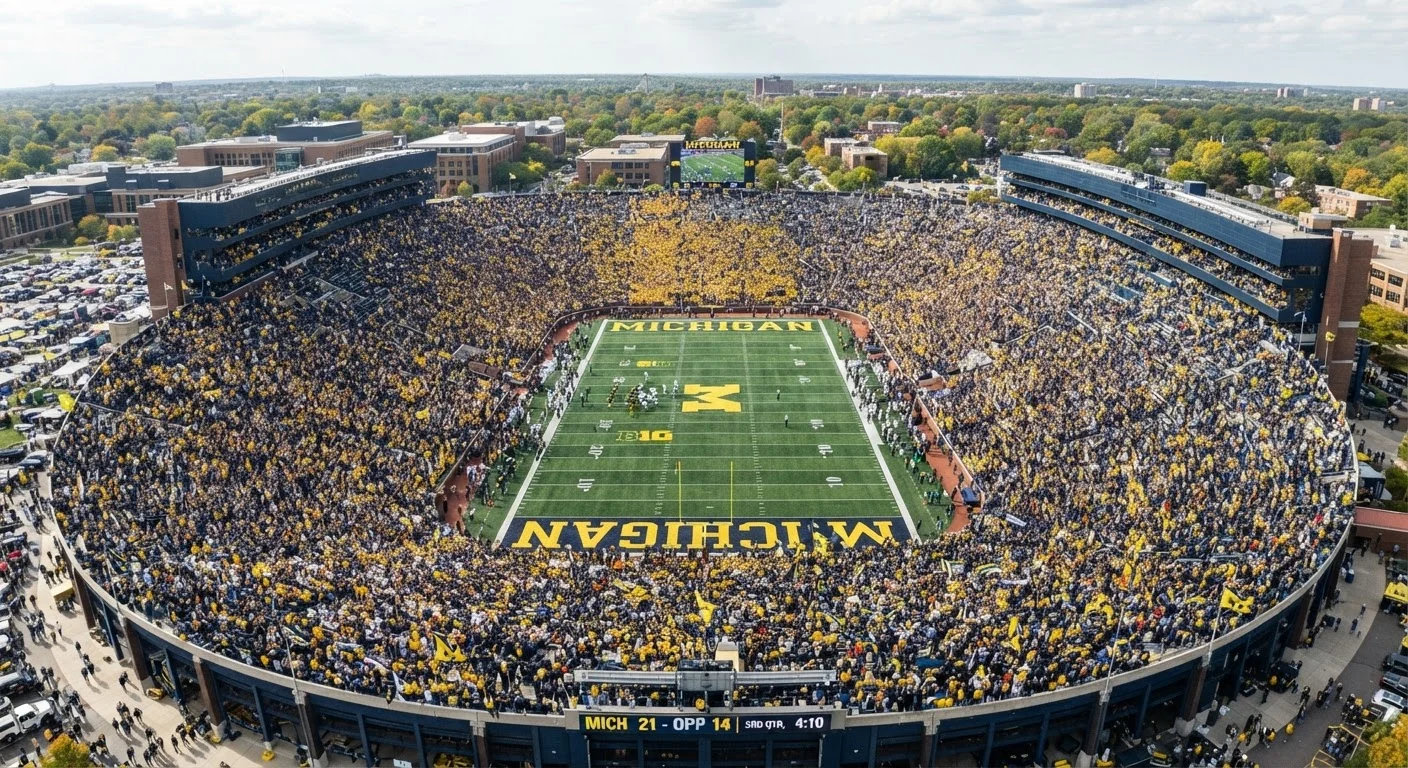
Photo: QuickAdvisor.net editorial
Key Takeaways
- Schools switch conferences primarily to access larger TV revenue deals and stronger competition.
- Realignment can end long-standing regional rivalries that fans have followed for generations.
- The Power Four conferences - SEC, Big Ten, ACC, and Big 12 - dominate college sports economics.
- Student-athletes face longer travel schedules and greater time away from campus when conferences expand geographically.
- Media rights contracts are often the single biggest driver behind a school's decision to move.
The Money Engine Behind Every Move
At its core, conference realignment is a financial decision. College athletic programs generate revenue primarily through media rights - the fees TV networks and streaming platforms pay to broadcast games. Conferences negotiate these deals collectively, then distribute the money among members.
The difference in per-school payouts between conferences can be dramatic. Schools in the Big Ten and SEC have received annual distributions well exceeding $50 million per member, while mid-major conference schools may receive a small fraction of that. When a program believes it can command a seat at a richer table, the incentive to move is powerful regardless of tradition or geography.
$50M+
Estimated annual per-school Big Ten distribution
Big Ten revenue distributions have been reported to exceed $50 million per member school annually, according to conference financial disclosures.
~$65M
Reported exit fee for Big 12 departures
Texas and Oklahoma were reported to face exit fees around $65 million each when negotiating their departure from the Big 12 to the SEC.
12+
Schools that left the Pac-12 by 2024
Over a two-year span beginning in 2022, the Pac-12 saw virtually all of its major football programs announce departures to other conferences.
This revenue gap is why "Power Four" membership - the SEC, Big Ten, Big 12, and ACC - is so fiercely sought. Joining one of these conferences doesn't just improve a football schedule; it funds facilities, coaching salaries, and scholarships across every sport the university fields.
What Schools Are Actually Trading Away
The benefits of realignment are concentrated in money and visibility, but the costs are real and often felt most acutely by fans and athletes.
Rivalries at risk. Some of college football's most iconic matchups were built over decades of geographic proximity and shared conference membership. When schools leave, those games may not survive the scheduling math of a new, larger conference slate.
Travel burden on athletes. A school in California joining a conference whose other members are largely in the Midwest or Southeast means cross-country flights for every road trip, in every sport. For a swimmer or tennis player who receives limited scholarship money, that travel burden is substantial.
Institutional identity. A school's conference has historically shaped how it sees itself athletically. Leaving a conference with deep regional roots for one focused on national brand-building represents a cultural shift as much as a logistical one.
How Realignment Decisions Actually Get Made
Conference moves are rarely spontaneous. They involve years of private negotiations between university presidents, athletic directors, and conference commissioners. Exit fees - penalties paid to leave a conference before a contract expires - can run into the tens of millions of dollars, meaning a school must be confident the long-term financial gain justifies the upfront cost.
Grant-of-rights agreements are another complicating factor. These contracts assign a school's home media rights to its conference for a set period, meaning that even if a school wanted to leave, it could not take the TV value of its games with it until the term expires. These clauses were designed specifically to prevent poaching and have significantly slowed some high-profile departures.
Ultimately, university governing boards - not coaches or fans - approve conference changes. The athletic department makes recommendations, but the decision sits with institutional leadership because it carries academic and financial consequences well beyond any single sport.
What This Means for Casual Fans
For a fan who grew up watching their school play regional rivals every season, realignment can feel like the sport's geography has been redrawn without their input. New conference opponents may be unfamiliar, time zones may shift game start times, and the traditional rhythm of the season can change noticeably.
That said, realignment can also bring marquee matchups that weren't previously possible. A school that joins a stronger conference gains access to nationally recognized opponents, potentially higher-stakes games, and greater TV exposure. For recruiting, that visibility matters.
The most honest framing for casual fans is this: realignment reflects the fact that college sports operate as a large commercial enterprise alongside their educational mission. Understanding that tension helps explain why decisions that seem counterintuitive from a tradition standpoint can make clear sense from a financial one.
“The forces reshaping college sports are fundamentally economic. Conferences are not social clubs - they are revenue-distribution systems, and schools make decisions accordingly.”
— College Sports Research Institute, Academic research center studying intercollegiate athletics trends
Frequently Asked Questions
The content on this site is for informational purposes only and is not a substitute for professional advice. Always consult a qualified professional for guidance specific to your situation.