
What Makes a Sport an Olympic Sport - And What Doesn't Qualify

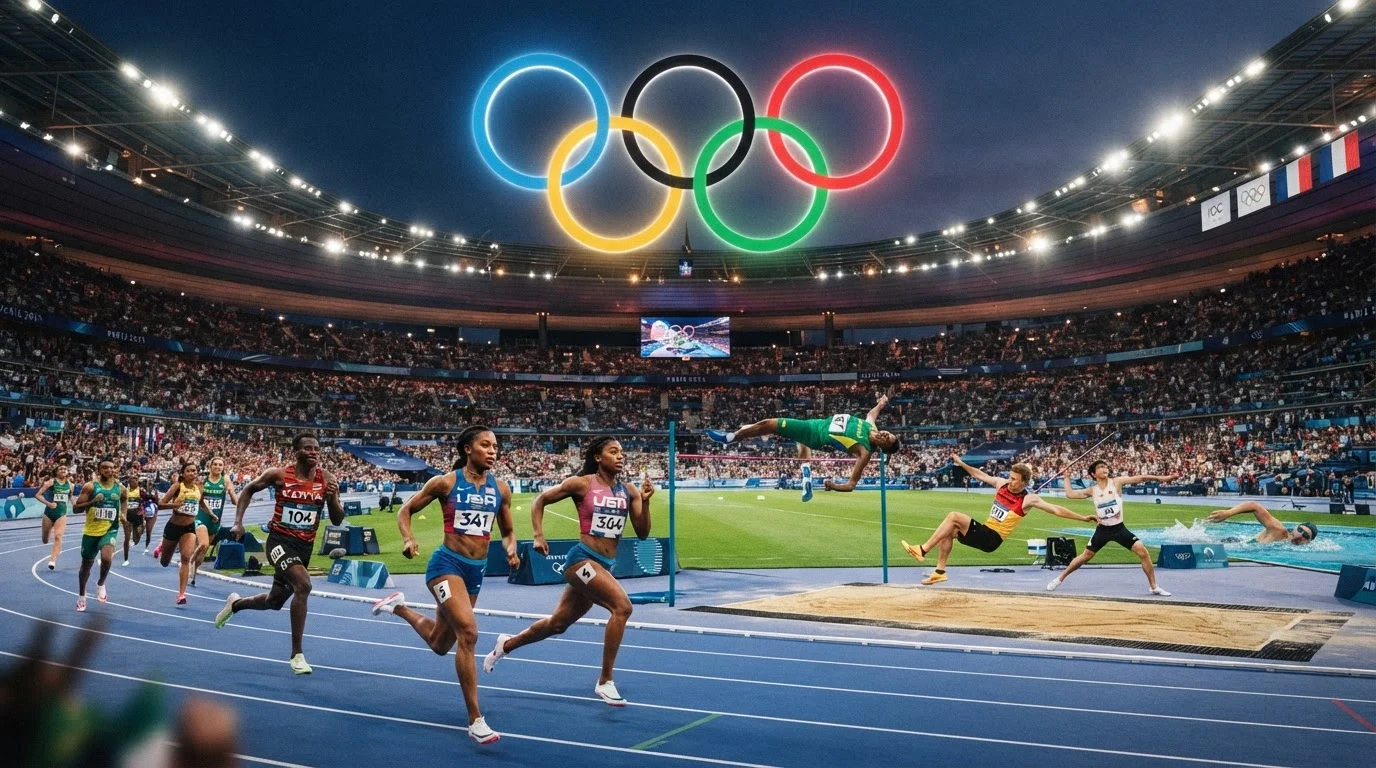
Photo: QuickAdvisor.net editorial
Key Takeaways
- The IOC sets specific criteria that any sport must meet before it can be considered for Olympic inclusion.
- Global participation across both genders and multiple continents is a core requirement.
- Anti-doping compliance through the World Anti-Doping Agency (WADA) is mandatory for all applicants.
- Being recognised by the IOC does not guarantee a sport will appear in a given Olympic Games.
- Sports can be removed from the Olympic program even after years of inclusion.
- Host city proposals and audience relevance increasingly influence which sports are added.
The IOC's Core Criteria for Recognition
The International Olympic Committee (IOC) does not accept every sport that applies for Olympic status. The process begins with a sport earning formal IOC recognition, which requires the sport's international governing body to satisfy a detailed set of standards outlined in the Olympic Charter and IOC policies.
The most fundamental requirements include:
- Global participation: The sport must be practiced widely across multiple continents and a significant number of countries. Men's disciplines typically need participation across at least 75 countries on four continents; women's disciplines across at least 40 countries on three continents.
- Anti-doping compliance: The governing body must adhere to the World Anti-Doping Agency (WADA) Code. This is non-negotiable - a sport that cannot police performance-enhancing drug use will not receive IOC approval.
- Good governance: The sport's international federation must demonstrate transparent, accountable leadership and be free from corruption or significant integrity concerns.
- Financial independence: The federation must be able to sustain itself and the sport's competition structure without relying solely on Olympic funding.
Meeting these criteria earns a sport IOC recognition - but that is only the first gate. Recognition does not place a sport on the Olympic program.
32
Sports on the Paris 2024 Olympic program
The Paris 2024 Games featured 32 sports, including breakdancing in its Olympic debut, according to the IOC's official Paris 2024 program.
75+
Countries required for men's sport recognition
The IOC generally requires a men's sport to be practiced in at least 75 countries across four continents to qualify for program consideration.
100+
Sports holding IOC recognition
More than 100 sports hold some level of IOC recognition, yet far fewer actually appear on any given Olympic program, according to the IOC's recognised federations list.
Getting on the Program Is a Separate Hurdle
IOC recognition and Olympic program inclusion are two distinct achievements. Even fully recognised sports compete - sometimes for decades - to earn a spot at the actual Games.
The IOC evaluates candidate sports against additional factors when assembling the program for a specific edition of the Games:
- Universality: Does the sport have genuine global reach, or is it dominated by just a handful of countries?
- Popularity and youth appeal: The IOC pays close attention to television viewership, digital engagement, and whether a sport resonates with younger audiences worldwide.
- Athlete welfare: The IOC considers safety records and the physical demands placed on competitors.
- Operational feasibility: Can the sport be staged effectively within the host city's venues, schedule, and budget?
Since the 2020 Tokyo Games, the IOC has also allowed host cities to propose additional sports for their specific edition - a flexibility that brought skateboarding, sport climbing, surfing, and breaking onto the program in recent cycles.
“The Olympic programme must remain universally appealing, relevant to young people, and adaptable to the realities of modern sport - tradition alone is not sufficient justification for inclusion.”
— IOC Programme Commission, International Olympic Committee body responsible for program review and recommendations
Why Sports Get Dropped - and What It Means
Olympic history shows that inclusion is never permanent. The IOC periodically reviews the program, and sports that fail to maintain participation levels, governance standards, or audience interest are vulnerable to removal.
Baseball and softball were cut after the 2008 Beijing Games, partly due to limited global participation compared to other sports and logistical complications with professional player availability. Wrestling - one of the oldest Olympic disciplines - was controversially recommended for removal before the 2020 Games, only to be reinstated after the sport's governing body made significant reforms to its competition format and governance structure.
These cases illustrate a critical point: the IOC uses the threat of removal as a tool to push sports federations to improve. A sport that rests on its history rather than evolving risks losing its place at the world's most prominent multi-sport event.
This article is for informational and educational purposes only. IOC policies and Olympic program decisions are subject to change; consult official IOC publications for the most current information.
Frequently Asked Questions
The content on this site is for informational purposes only and is not a substitute for professional advice. Always consult a qualified professional for guidance specific to your situation.