
The Anatomy of a Travel Budget: Where Your Money Actually Goes

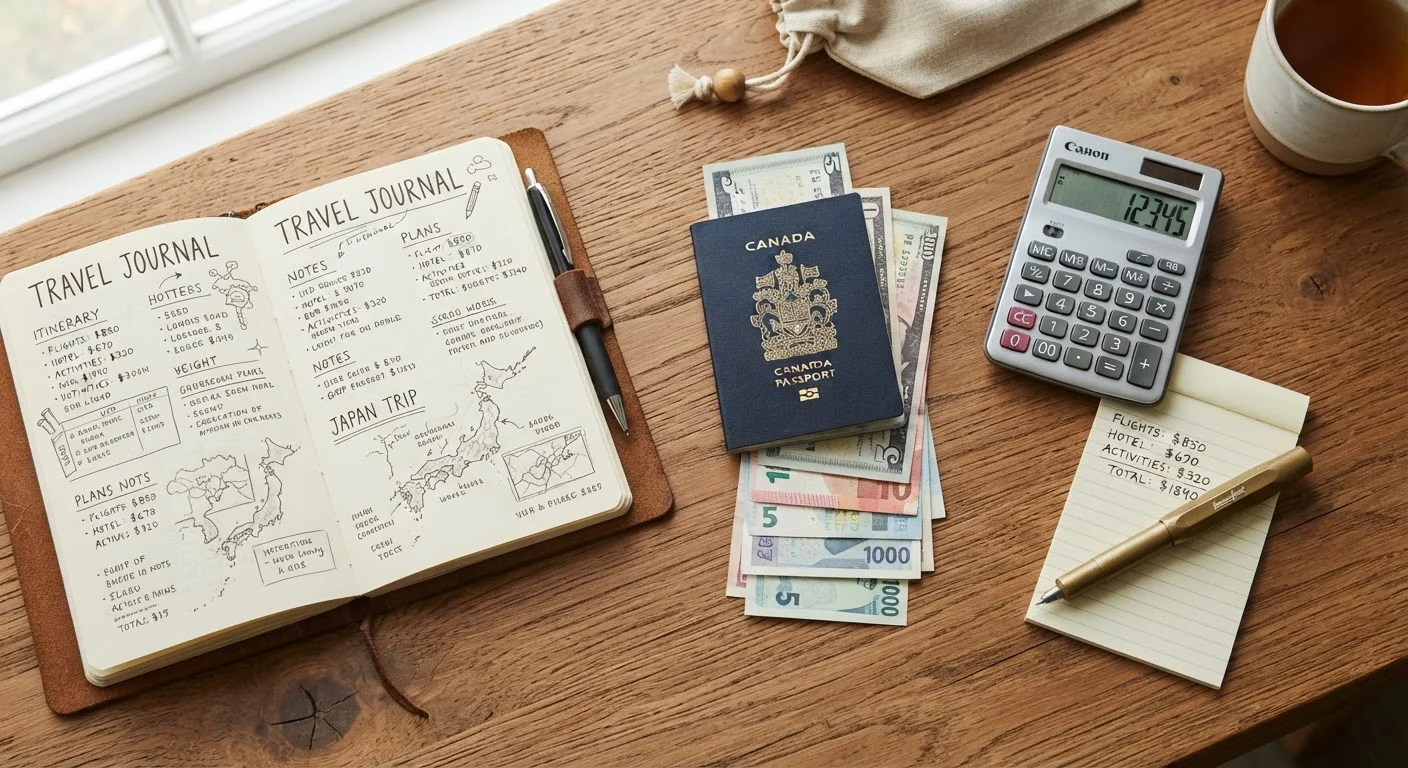
Photo: QuickAdvisor.net editorial
Key Takeaways
- Transportation - including flights, trains, and local transit - is typically the largest single budget line.
- Lodging costs vary dramatically by destination, season, and how far in advance you book.
- Food spending is the most underestimated variable cost for most travelers.
- Forgotten expenses like visas, luggage fees, tips, and souvenirs can add 15-25% to your total.
- Travel insurance is a real budget line worth planning for, not an afterthought.
- Building a 10-15% buffer into your total budget reduces financial stress mid-trip.
Why Most Travel Budgets Fall Short
The classic travel budget mistake is planning for the obvious and ignoring everything else. Travelers book flights, price out hotels, and call it done - then wonder why their bank account looks so hollow by the time they land back home. A complete travel budget isn't just a wish list; it's a full-picture financial plan that accounts for every phase of your trip.
If you want trips that feel exciting rather than stressful, budgeting is the foundation. As our guide to why travel plans fall apart explains, financial miscalculation is one of the most common reasons a well-intentioned trip goes sideways.
~35%
Average share of trip budget spent on lodging
Industry travel surveys consistently show accommodation consuming roughly a third of most travelers' total budgets.
15-25%
Budget overrun from forgotten expenses
Travel finance planners estimate that overlooked costs - fees, tips, activities - can add 15-25% beyond a traveler's initial estimate.
4-10%
Typical travel insurance premium
Most travel insurance policies cost between 4 and 10 percent of total prepaid, non-refundable trip costs, according to industry guidance.
The Big Three: Transportation, Lodging, and Food
Transportation is almost always the single largest line item in a travel budget. It includes your primary mode of travel - flights, train tickets, or road-trip fuel - but also airport shuttles, rideshares, subway passes, taxis, and car rentals at your destination. Many travelers budget for the plane ticket and forget that getting around a city for a week adds up fast.
Lodging is the other heavyweight. Costs vary by city, neighborhood, season, and how far in advance you book. Beyond the nightly rate, watch for destination or resort fees, parking charges, and city taxes that are frequently added at check-in and not reflected in the advertised price.
Food is where budgets most often leak. Daily meal costs are highly variable and influenced by your destination, dining preferences, and how often you grab coffee or snacks. A useful habit is estimating per-day food spend based on realistic local prices - not the cheapest meal on the menu - then multiplying by your trip length and adding a buffer.
Track Spending in Real Time While Traveling
The Hidden Costs That Quietly Add Up
This is the category that separates experienced travelers from first-timers. The following expenses are real, common, and frequently left out of initial budgets:
- Visa and entry fees: Required for many international destinations; costs range from modest to several hundred dollars depending on your passport and destination. Always verify with official government sources before traveling.
- Baggage fees: Budget carriers in particular charge for checked bags and sometimes even carry-ons. Factor these in when comparing airfares.
- Travel insurance: A genuine cost worth planning for. Our travel insurance explainer walks through the key policy types so you can make an informed decision.
- Tips and gratuities: Customary in the US and expected in many other countries. Budget for restaurant tips, hotel housekeeping, tour guides, and drivers.
- Activities and experiences: Museum admissions, guided tours, national park passes, cooking classes, boat trips - the experiences that make a trip memorable all carry a price tag. Explore the full range of what's possible through our travel experiences hub.
- Souvenirs and shopping: Often treated as an afterthought; realistically, most travelers spend something here.
Building a Budget That Actually Works
The most practical approach is to build your budget by category, not as a single lump sum. Assign a realistic estimate to each line item - transportation, lodging per night, daily food, activities, and hidden costs - and sum them up before committing to a destination or dates. If the number is over your limit, you have clear levers to adjust: shorter trip length, a less expensive destination, or a shift in lodging style.
Always add a contingency buffer of 10-15% to your subtotal. Unexpected costs are a near-certainty on any trip, and having that cushion means a delayed flight or a spontaneous splurge doesn't derail the whole experience.
For broader strategies on managing money wisely - both at home and on the road - the Smarter Spending hub offers practical frameworks you can apply directly to trip planning. A well-constructed travel budget isn't about spending less; it's about spending with intention so every dollar works as hard as you do.
Frequently Asked Questions
The content on this site is for informational purposes only and is not a substitute for professional advice. Always consult a qualified professional for guidance specific to your situation.