
Appalachian Trail Towns: The Communities That Sustain America's Longest Footpath

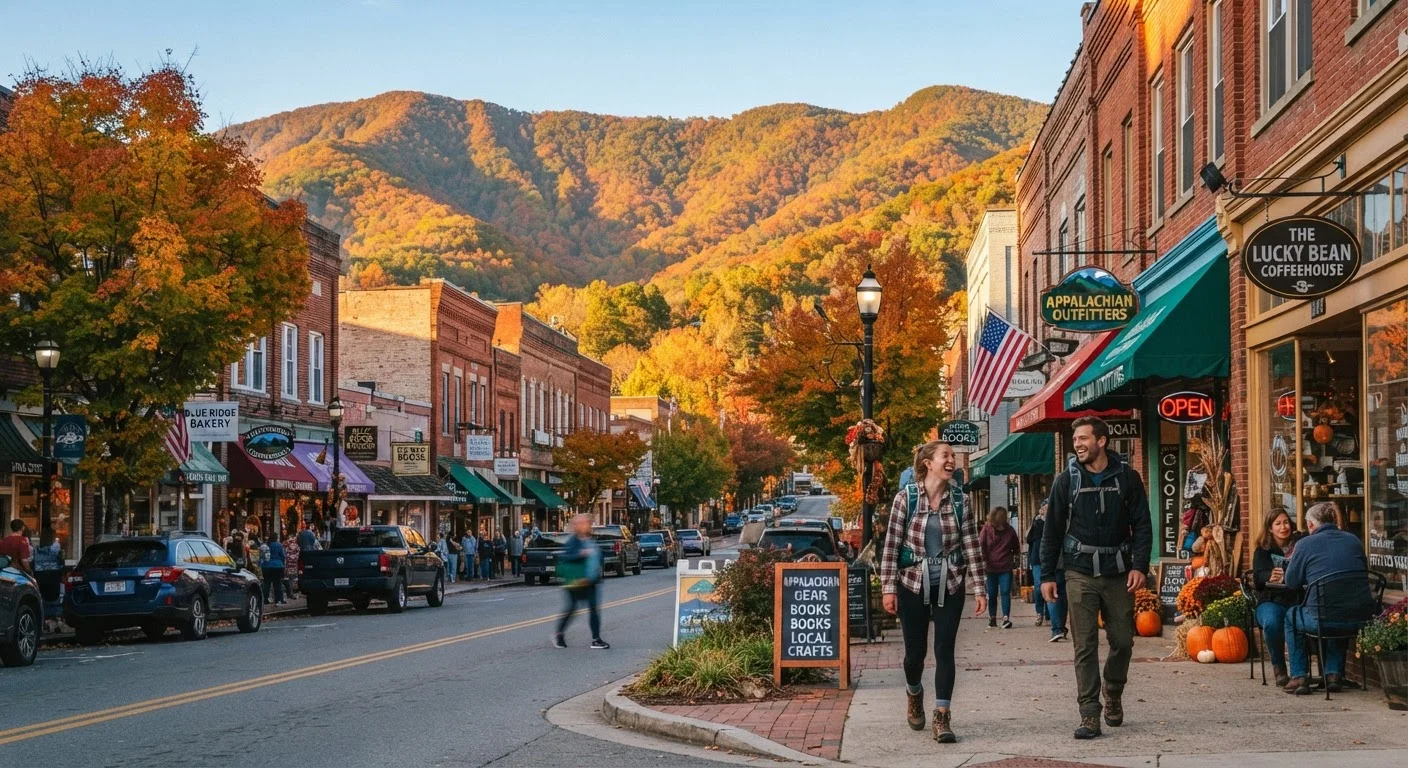
Photo: QuickAdvisor.net editorial
Key Takeaways
- Trail towns provide essential resupply, rest, and community connection for AT hikers of all experience levels.
- Each gateway community has a distinct character shaped by geography, history, and its relationship to the trail.
- Visitors don't need to be thru-hikers to enjoy and benefit from exploring these welcoming Appalachian communities.
- Local economies in trail towns are deeply intertwined with hiker culture, supporting small businesses and services year-round.
- Planning a visit around these towns can turn a weekend trip into a genuinely enriching cultural and outdoor experience.
Where the Trail Meets the Town
The Appalachian Trail stretches roughly 2,200 miles from Springer Mountain in Georgia to Mount Katahdin in Maine - a corridor of wilderness that has captured the American imagination for generations. But the trail doesn't exist in isolation. Woven into its length are dozens of small communities that serve as lifelines for hikers, cultural landmarks for road-trippers, and genuinely wonderful destinations in their own right.
These so-called trail towns are places where muddy boots are welcome at the diner counter, where hostel owners know the trail conditions better than any app, and where the local grocery store stocks freeze-dried meals alongside regular produce. They offer something rare in modern travel: an honest, unpretentious sense of place shaped by the land around them.
Whether you're planning a thru-hike, a section hike, or simply a road trip through the Appalachian region, these communities deserve a closer look. Here are some of the most distinctive trail towns along the AT's path - and what makes each one worth your time.
Damascus, Virginia - The Friendliest Town on the Trail
Damascus has earned its legendary nickname through decades of genuine hospitality. Sitting near the Tennessee border in the Blue Ridge Highlands, this small town of roughly 800 residents welcomes thousands of hikers each year - and it shows in everything from the well-maintained hostels to the annual Trail Days festival, which draws former thru-hikers from across the country for a weekend of celebration and camaraderie.
The Virginia Creeper Trail, a former railroad corridor converted to a multi-use path, runs right through town and offers accessible biking and walking for visitors of all fitness levels. Several outfitters rent bikes and offer shuttles. For hikers resupplying here, the town has a good post office, a grocery option, and a handful of diners where the portions are generous and the welcome is real.
Damascus has earned the nickname 'friendliest town on the trail' through decades of genuine, unpretentious hospitality.
Harper's Ferry, West Virginia - History on the Trail's Edge
Harper's Ferry is where the AT intersects American history most dramatically. The town sits at the confluence of the Potomac and Shenandoah rivers, and its preserved 19th-century downtown is a National Historical Park - a fact that makes simply walking its streets feel like stepping into another era. John Brown's famous 1859 raid on the federal arsenal here is one of the defining moments leading up to the Civil War.
For AT hikers, Harper's Ferry is considered the psychological halfway point (though the actual mileage midpoint shifts slightly with trail re-routes). The Appalachian Trail Conservancy's headquarters are located here, and hikers can stop in to have their photo taken and added to the thru-hiker registry. Even if you're not hiking, the river views, historic architecture, and excellent interpretive programs make this one of the most substantive stops along the entire corridor.
Harper's Ferry is where the AT meets American history - a town that rewards every visitor, hiker or not.
Hot Springs, North Carolina - A Thermal Oasis in the Mountains
Hot Springs is one of the AT's most beloved stops, and for good reason. The trail runs directly down the town's main street - an unusually literal integration of trail and community. Natural hot spring mineral baths, available at a local spa facility, have drawn weary travelers here since the 19th century, and they remain the town's signature draw today.
The surrounding Pisgah National Forest offers exceptional hiking, rafting on the French Broad River, and wildlife viewing. Hot Springs is small - fewer than 600 residents - but it punches well above its weight in charm. Its handful of restaurants, hostels, and outfitters are all oriented around the needs of travelers moving through the mountains, and the overall vibe is relaxed, welcoming, and genuinely laid-back in a way that larger resort towns rarely manage.
In Hot Springs, the Appalachian Trail literally runs through main street - trail and town are inseparable here.
Millinocket, Maine - Gateway to Katahdin
Millinocket doesn't get the foot traffic of southern trail towns - it's remote even by Maine standards - but for thru-hikers completing their journey at Mount Katahdin, it's the emotional finish line. The town serves as the primary base for Baxter State Park, home to Katahdin, and its identity is deeply tied to both the park and the logging industry that shaped northern Maine for over a century.
In recent years, Millinocket has worked to reinvent itself as an outdoor recreation hub, and trail culture has played a meaningful role in that effort. Visitor services are improving steadily, and the community's investment in welcoming long-distance hikers speaks well of its resilience. For anyone driving Maine's North Woods region, Millinocket offers an honest, working-class character that feels a world away from polished resort towns.
Millinocket is the emotional finish line for thru-hikers - a resilient town rewriting its story through trail culture.
Waynesboro, Virginia - A Working Town That Works for Hikers
Waynesboro sits at the northern entrance to Shenandoah National Park, right where the AT crosses Rockfish Gap. Unlike some trail towns that feel purpose-built for tourism, Waynesboro is a genuine small city with its own industrial history, a walkable downtown, and a population of around 22,000. That gives it something less common along the trail: real infrastructure.
Hikers appreciate Waynesboro for its full-service options - a grocery store, a laundromat, a library with free Wi-Fi, and medical services - all within walking or easy shuttling distance of the trail. The town's hiker-friendliness is deliberate: a local church has run a free hiker hostel for decades, and the community has consistently supported trail initiatives. For visitors exploring the Blue Ridge Parkway and Skyline Drive, Waynesboro makes an excellent home base that feels like a real place rather than a tourist set piece.
Waynesboro offers something rare on the trail: full small-city amenities paired with authentic community investment in hikers.
Making the Most of Your Trail Town Visit
You don't need a 40-pound pack on your back to enjoy what trail towns have to offer. Many visitors arrive by car, spend a few nights, and day-hike nearby segments of the AT - getting a real taste of the trail's appeal without committing to weeks in the backcountry. Local outfitters can point you toward accessible trailheads, shuttle services, and gear rentals that make the experience approachable for first-timers.
Plan Ahead for Peak Hiking Season
Keep in mind that trail towns are small communities with limited infrastructure. Accommodations fill up fast during peak hiking season - typically spring through fall - so planning ahead is genuinely important. Visiting in the shoulder seasons (late fall or early spring) can reward you with quieter streets, easier reservations, and the kind of unhurried conversations with locals that make small-town travel so memorable.
Wherever you land on the trail, treat these towns with the same respect hikers are asked to show the wilderness: support local businesses, follow Leave No Trace principles in the surrounding nature, and remember that the people who live here year-round are what make these places worth visiting in the first place.
The content on this site is for informational purposes only and is not a substitute for professional advice. Always consult a qualified professional for guidance specific to your situation.