
Pre-Purchase Inspection: What to Have a Mechanic Check

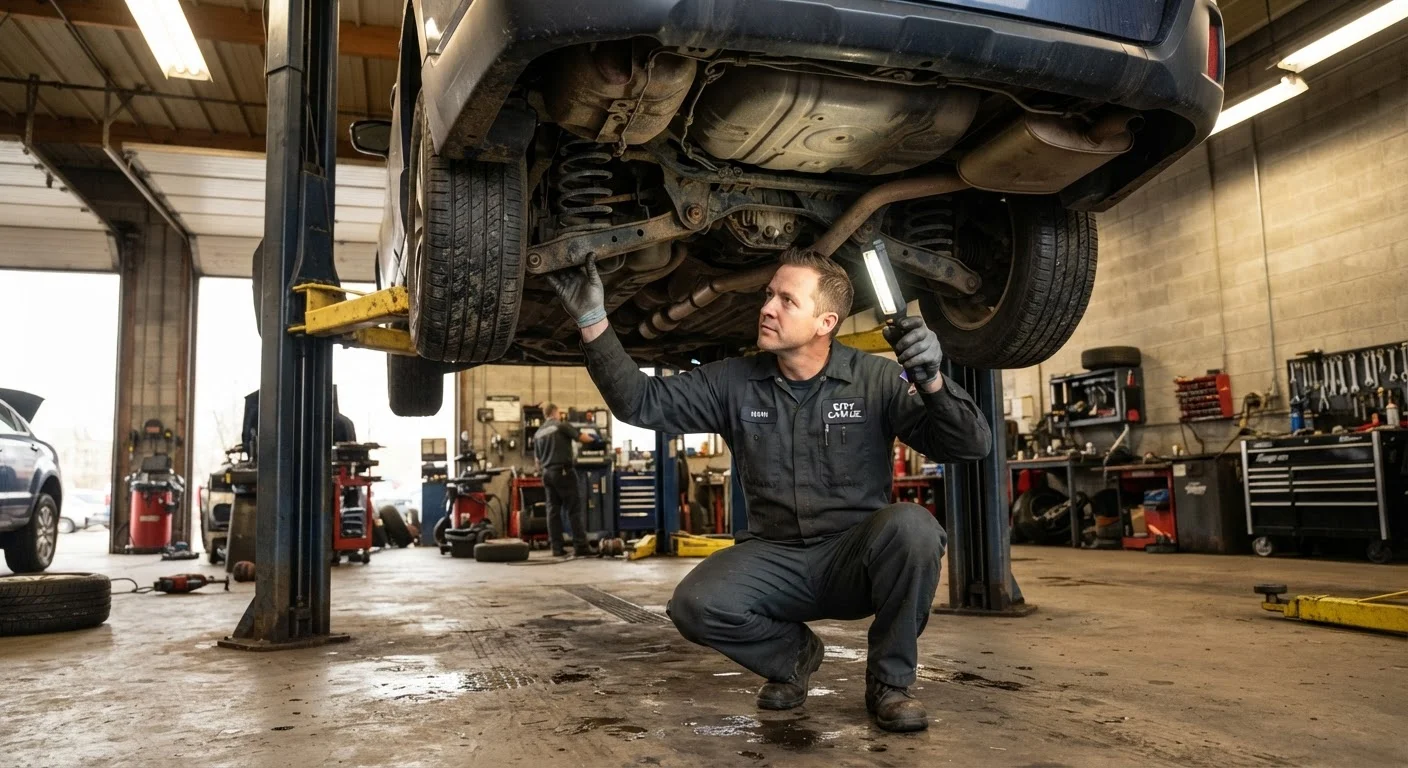
Photo: QuickAdvisor.net editorial
Key Takeaways
- A pre-purchase inspection (PPI) by an independent mechanic can reveal hidden mechanical and structural problems.
- The inspection typically costs between $100 and $200 and can save thousands in unexpected repairs.
- A vehicle history report complements but does not replace a hands-on mechanical inspection.
- Always use a mechanic who has no financial relationship with the seller.
- Results from the PPI give you factual leverage to negotiate price or walk away with confidence.
Why a Pre-Purchase Inspection Matters
A test drive tells you how a vehicle feels. A pre-purchase inspection (PPI) tells you what it actually is. Sellers - whether private individuals or dealerships - are not always aware of every existing problem, and not all issues produce symptoms a driver can detect. Worn brake hardware, early transmission slippage, a slow coolant leak, or concealed collision repair can all be invisible during a short road test.
The cost of a PPI is modest relative to the price of most used vehicles and the potential cost of undisclosed repairs. Skipping it is a calculated risk that frequently doesn't pay off. For used vehicles in particular, a clean title and low mileage on paper mean very little without an independent mechanical assessment to back them up.
Always Use an Independent Mechanic
For context on how to approach general major purchases, a pre-purchase checklist for any significant buy outlines the broader due-diligence framework - the same disciplined thinking applies here at a higher financial stake.
What the Inspection Process Involves
The steps below walk through a complete pre-purchase inspection from preparation through final decision. Arrange these steps before finalizing any purchase agreement - ideally before a deposit is placed.
What you will need
Having the right tools and people in place before the inspection day keeps the process efficient and ensures nothing important gets overlooked.
Vehicle History Report
Provides documented records of past ownership, accidents, title issues, and odometer readings to cross-reference with the mechanic's physical findings.
Independent Licensed Mechanic or Shop
Performs the hands-on inspection of all major systems and provides a written assessment of the vehicle's condition.
OBD-II Diagnostic Scanner
Used by the mechanic to read any stored fault codes from the vehicle's onboard computer system.
Inspection Checklist or Report Template
Ensures all major systems are documented and gives you a written record to reference during price negotiations.
Pull a Vehicle History Report First
Before scheduling any inspection, obtain a vehicle history report using the car's VIN. This report can flag prior accidents, title brands (such as salvage or flood), odometer rollback alerts, and the number of previous owners. It does not replace a mechanical inspection, but it can reveal deal-breaking issues before you spend money on a PPI.
See what a vehicle history report actually tells you for a full breakdown of how to interpret one.
Find and Book an Independent Mechanic
Search for a licensed independent shop in the area where the car is located. The mechanic must have no financial connection to the seller. Ask the shop upfront whether they perform pre-purchase inspections and what the fee covers. Most shops charge between $100 and $200 for a standard PPI.
If you're evaluating a vehicle at a dealership, review questions worth asking at a dealership before your visit to understand what disclosures you can request.
Request a Comprehensive Under-Hood and Under-Car Inspection
The mechanic should inspect the engine bay for fluid leaks, belt and hose condition, corrosion, and signs of previous repair work. Under the vehicle, they should examine the exhaust system, suspension components, brake lines, and frame for rust, cracks, or collision damage. Ask specifically whether the vehicle shows signs of frame repair or unibody straightening.
Have All Major Systems Tested
A thorough PPI covers more than the engine. Ensure the mechanic evaluates:
- Brakes: Pad and rotor thickness, caliper function, brake fluid condition
- Transmission: Shift quality, fluid color and smell, any slipping or hesitation
- Cooling system: Thermostat, hoses, coolant level and condition, signs of overheating
- Tires: Tread depth, uneven wear patterns that suggest alignment or suspension problems
- Electrical systems: All lights, windows, climate control, infotainment, and charging ports
- Air conditioning and heating: Function under load
The mechanic should also connect an OBD-II scanner to check for any stored or pending fault codes, even if no warning lights are currently illuminated.
Evaluate Exterior and Interior Condition
While mechanical integrity is the priority, surface condition tells its own story. The mechanic should examine body panel gaps and paint consistency for signs of collision repair. Mismatched paint, overspray on trim, or uneven panel gaps can indicate past accidents not captured in the history report. Inside, inspect seat wear, dashboard condition, and any signs of water intrusion such as musty odor or staining under mats.
Review the Written Report and Decide Next Steps
Ask for a written inspection report - not just a verbal summary. Review each flagged item and classify issues by severity: immediate safety concerns, near-term repairs likely needed, and minor cosmetic issues. Use this documentation to negotiate the purchase price, request that the seller address specific items, or make a confident decision to walk away.
If the vehicle is a certified pre-owned listing, understand what CPO certification actually covers - it may affect how you weigh the inspection findings.
Attend the Inspection If You Can
A Clean Report Isn't a Guarantee
After the Inspection: Using the Results
An inspection report is most valuable when you act on it deliberately. Sort flagged items into three categories: safety-critical (brakes, steering, tires), near-term mechanical needs (fluid leaks, worn belts, aging hoses), and cosmetic concerns. Price out the safety-critical and near-term items with your mechanic before entering any price discussion with the seller.
If the vehicle passes with only minor issues, you can proceed with reasonable confidence - though no inspection eliminates all risk. If significant problems surface, you have three reasonable options: negotiate a lower price that accounts for repair costs, ask the seller to address specific items before sale, or walk away. All three are legitimate outcomes of a PPI done well.
Once you own the vehicle, ongoing maintenance becomes the priority. The car maintenance hub covers the essential upkeep routines that protect your investment over time. And when you're ready to take the vehicle on the road, a pre-drive safety walkthrough can help you catch any emerging issues before a long trip.
The content on this site is for informational purposes only and is not a substitute for professional advice. Always consult a qualified professional for guidance specific to your situation.