
Driving & Safety

Before Every Long Road Trip: A Pre-Drive Vehicle Safety Walkthrough

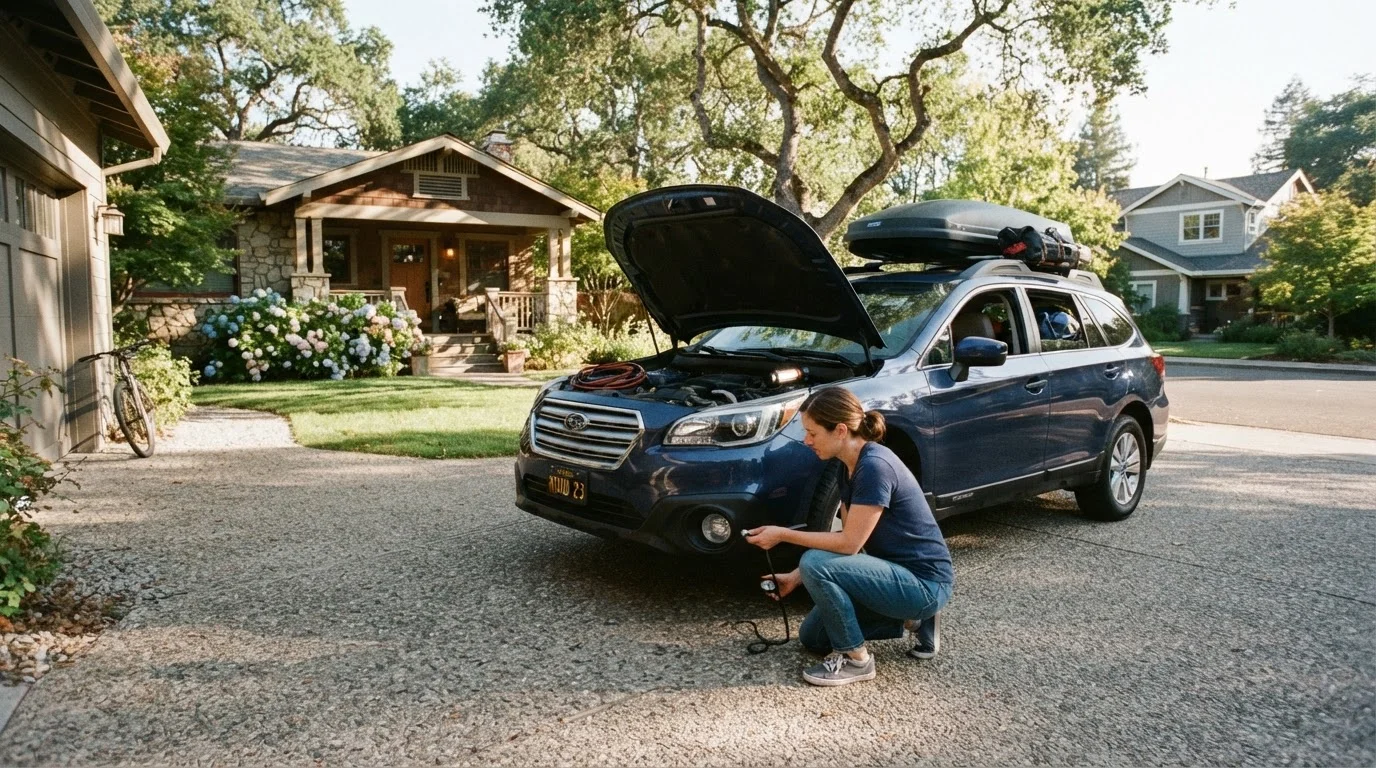
Before Every Long Road Trip: A Pre-Drive Vehicle Safety Walkthrough

Photo: QuickAdvisor.net editorial

Heading out on a long drive? Run through this practical checklist to catch common safety issues before they become roadside emergencies.

Key Takeaways

  • Tires, fluids, and lights are the three most commonly overlooked systems before a long drive.
  • Many pre-trip checks require no tools and can be done in a driveway in under 30 minutes.
  • A functional emergency kit can make a significant difference if something goes wrong far from home.
  • Dashboard warning lights should never be ignored before heading out on a highway trip.
  • Driver fatigue is as much a safety factor as any mechanical issue — plan rest stops in advance.

Why a Pre-Drive Walkthrough Matters

Most vehicle breakdowns and roadside emergencies don't happen without warning signs. Worn tires, low fluid levels, and weak batteries typically give drivers plenty of notice — the problem is that those signals go unnoticed when no one is looking for them. A structured pre-drive walkthrough closes that gap.

This checklist is designed to be completed the day before or morning of a long trip. It focuses on safety-critical systems and practical emergency preparation — not an exhaustive mechanical inspection. For anything beyond a visual check, consult a qualified mechanic before your departure date. See our car maintenance hub for broader upkeep guidance.

When to See a Mechanic Before You Go

This checklist covers visual and basic checks any driver can perform. It does not replace a professional inspection. If your vehicle is due for a service interval, has an unresolved warning light, or you notice anything unusual during the walkthrough — unusual sounds, pulling while braking, vibration at speed — have a qualified mechanic assess the vehicle before your trip, not after. Roadside repairs are significantly more expensive and stressful than proactive maintenance.

For seasonal conditions — freezing temperatures, extreme heat, wet roads — certain checks carry even more weight. Our guide on seasonal car care covers what to prioritize based on the time of year.

What You'll Need

Most items on this checklist require nothing more than your eyes and a few minutes. A handful of checks benefit from basic tools or reference materials.

Required

Tire pressure gauge

Measures PSI accurately so you can inflate tires to the manufacturer's recommended level.

Required

Flashlight or work light

Illuminates the engine bay and undercarriage for fluid leak and belt inspections in low-light conditions.

Required

Clean rags or paper towels

Used to wipe the dipstick when checking oil and to clean windshield lenses.

Required

Quarter (coin)

Quick field test for tire tread depth — no tools required.

Required

Portable jump starter or jumper cables

Essential emergency item if the battery fails away from a service station.

Optional

Vehicle owner's manual

Reference for fluid specs, warning light explanations, and maintenance intervals specific to your vehicle.

The Pre-Drive Safety Checklist

Work through these groups systematically. Start outside the vehicle, then move inside, and finish with your emergency gear. If any check reveals a concern you can't address yourself, have a qualified mechanic evaluate the vehicle before you drive.

Tires

Check tire pressure on all four tires (and the spare) using a gauge, and inflate to the PSI listed on the door jamb sticker — not the number on the tire sidewall. Must
Inspect tread depth visually; use the quarter test (insert a quarter upside down — if Washington's head is fully visible, tread is critically low and the tire should be replaced). Must
Look for sidewall cracks, bulges, or uneven wear patterns that could indicate alignment or suspension issues. Must
Confirm the spare tire is inflated and that the jack and lug wrench are accessible in the vehicle. Should

Fluids

Check engine oil level with the dipstick when the engine is cold; top off or schedule an oil change if due within the trip mileage. Must
Inspect coolant level in the overflow reservoir; never open a hot radiator cap. Must
Check windshield washer fluid and fill to capacity — visibility matters especially in bug season or dusty conditions. Should
Verify brake fluid and power steering fluid levels are within the marked acceptable range on their respective reservoirs. Should

Lights and Visibility

Test headlights (low and high beam), taillights, brake lights, turn signals, and hazard flashers with a helper or by backing up to a wall. Must
Clean all exterior lenses with a damp cloth if they appear yellowed or dirty — degraded lens covers reduce light output significantly. Should
Check windshield wiper blades for streaking or chattering; replace if they leave significant gaps in their sweep pattern. Must
Clean the inside of the windshield to remove haze that worsens glare from oncoming headlights at night. Nice to have

Under the Hood

Look for any visible fluid leaks on the driveway or garage floor before driving — fresh stains warrant investigation before departure. Must
Check that battery terminals are secure and free of heavy corrosion; a white or bluish crust around the terminal posts is a warning sign. Should
Inspect belts and hoses for visible cracks, fraying, or looseness; a snapped serpentine belt will disable the vehicle immediately. Should

Interior and Safety Systems

Confirm all seat belts latch, retract, and release properly for every seating position that will be occupied. Must
Check that no dashboard warning lights remain illuminated after the vehicle has been running for a minute — look up any unfamiliar symbols before driving. Must
Adjust mirrors — both side mirrors and the rearview — before moving the car; don't do it while driving. Should

Emergency Kit

Verify your emergency kit includes jumper cables (or a jump starter pack), a reflective triangle or road flares, a flashlight with working batteries, and a basic first-aid kit. Must
Include water (at least one gallon per person for breakdowns in hot or remote areas) and non-perishable snacks. Should
Keep a physical copy of your insurance card, roadside assistance number, and emergency contacts in the glove box. Must

For a deeper look at reading tire condition accurately, our article on tire pressure, tread, and rotation walks through the details. And if a warning light is showing on your dash, don't guess — our dashboard warning light guide explains what each symbol means and when to act quickly.

Before You Pull Out of the Driveway

Once the vehicle checks are complete, take five minutes to handle logistics that belong in the car, not the trunk of your mind.

  • Share your route and ETA with someone at home. If plans change, update them.
  • Download offline maps for your route. Cell service is unreliable in rural and mountainous stretches.
  • Check weather and road conditions via your state's department of transportation website or a reliable traffic app.
  • Plan rest stops every 2 hours or roughly 100 miles — driver fatigue is a major factor in highway incidents.

This vehicle walkthrough pairs well with the broader pre-trip logistics checklist, which covers documents, utilities, and home security before any extended absence. If your road trip takes you through the Great Plains or other remote corridors, being vehicle-ready isn't optional — services can be hundreds of miles apart.

Never Ignore a Warning Light Before a Long Drive

If a dashboard warning light comes on during your pre-check, don't assume it will resolve itself on the highway. Some lights — particularly those related to oil pressure, engine temperature, or brake systems — can indicate conditions that may cause serious vehicle damage or loss of control if ignored. Have the vehicle evaluated by a qualified mechanic before departing.

Automotive Editorial Team

QuickAdvisor.net

Automotive Editorial Team is the collective byline for our editorial team and contributor network. Articles published under this byline or an editorial pen name are researched, written, and reviewed according to our editorial standards for clarity, consistency, and independence before publication.

Car MaintenanceBuying & OwningDriving & Safety
View author profile

The content on this site is for informational purposes only and is not a substitute for professional advice. Always consult a qualified professional for guidance specific to your situation.