
Skipping Scheduled Maintenance: What Actually Happens to Your Engine

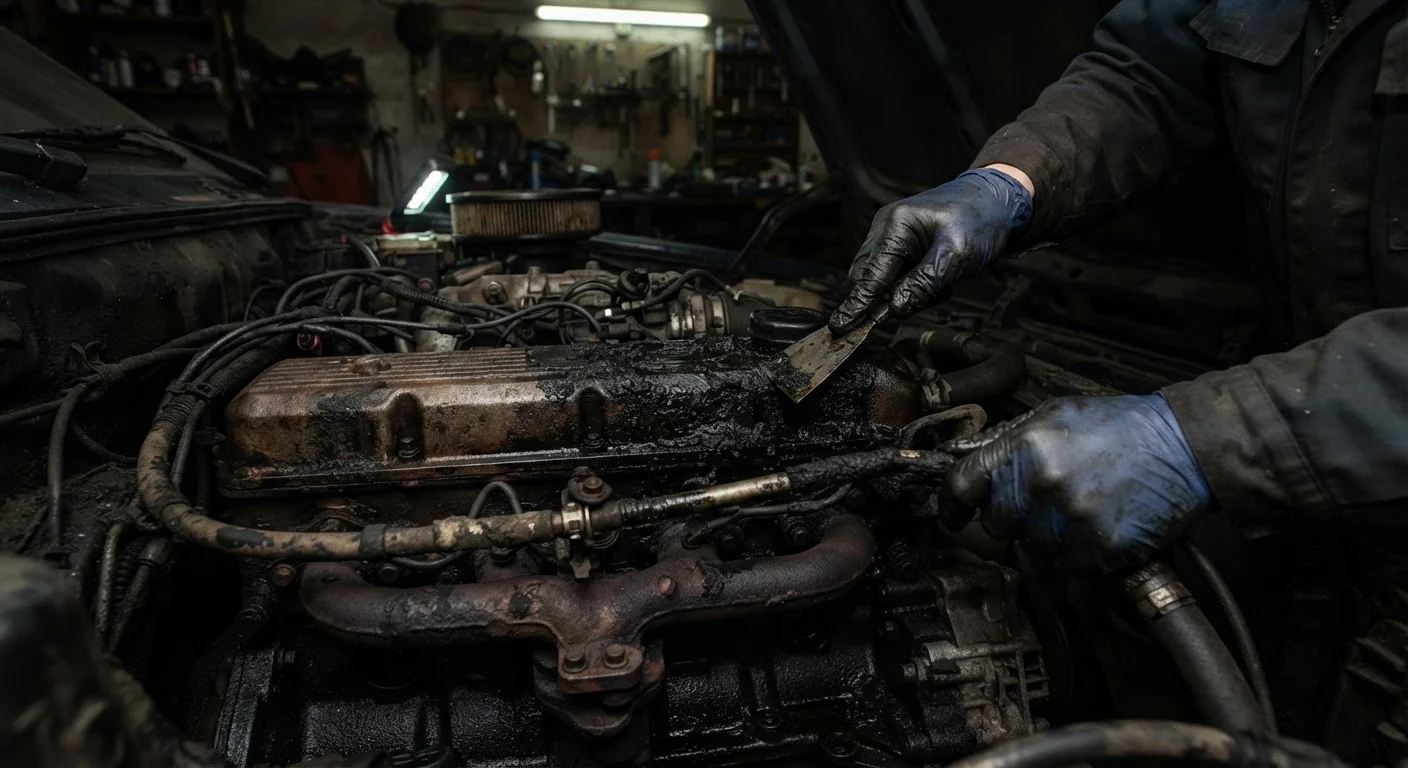
Photo: QuickAdvisor.net editorial
Key Takeaways
- Skipping oil changes allows sludge to build up, restricting oil flow and accelerating engine wear.
- Neglected coolant flushes can cause corrosion inside the cooling system, leading to overheating or head gasket failure.
- Missed filter replacements force your engine and cabin systems to work harder, reducing efficiency and lifespan.
- Deferred maintenance often voids manufacturer warranties, leaving owners responsible for costly repairs.
- Small service gaps compound over time - damage that could cost $50 to prevent can escalate into thousands in repairs.
Why Drivers Skip Maintenance - And Why It Matters
Life gets busy, and a scheduled oil change or coolant flush can feel like a low-priority errand. Many drivers assume that as long as the car starts and drives normally, skipping a service interval is harmless. That assumption is one of the most expensive mistakes a vehicle owner can make.
Modern engines operate under intense heat, friction, and pressure. The fluids and filters that protect them degrade on predictable timelines - and when those service windows close without action, the damage that follows doesn't announce itself loudly. It accumulates quietly, layer by layer, until a repair bill makes it impossible to ignore.
Understanding exactly what happens inside your engine when maintenance is deferred is the most compelling argument for staying on schedule.
Skipping oil changes beyond the manufacturer's recommended interval.
Ignoring coolant flushes until the cooling system fails.
Letting air and cabin filters go unreplaced for years at a time.
Delaying transmission fluid changes until shifting problems appear.
Assuming warning lights are the only signal that maintenance is overdue.
The Compounding Cost of Deferred Service
One missed oil change rarely destroys an engine outright. But deferred maintenance creates a compounding effect - degraded oil accelerates wear, which produces metal particles that degrade oil faster, which causes more wear. The same principle applies to cooling system neglect and clogged filters. Each skipped service raises the baseline stress on every connected system.
$4,000+
Average engine repair cost from oil neglect
According to industry repair data, engine damage resulting from sludge buildup due to infrequent oil changes commonly results in repair bills exceeding $4,000.
3x
Faster engine wear with degraded oil
Engineering studies on lubrication degradation suggest engine component wear can accelerate by a factor of three or more when oil viscosity and additive packages break down past their service life.
Drivers who stay diligent about service records also benefit beyond engine health. As explored in keeping a maintenance log, a documented service history builds verifiable trust with future buyers and can meaningfully protect resale value.
If you drive in demanding conditions - frequent short trips, extreme temperatures, stop-and-go traffic, or towing - your engine may need service more frequently than the standard interval suggests. Consult your owner's manual and, when in doubt, speak with a qualified mechanic about what schedule fits your actual driving patterns. The upfront cost of staying current is almost always a fraction of what deferred maintenance eventually demands.
Deferred Maintenance Can Void Your Warranty
The content on this site is for informational purposes only and is not a substitute for professional advice. Always consult a qualified professional for guidance specific to your situation.