
Keeping a Maintenance Log: Why It Pays Off at Resale Time

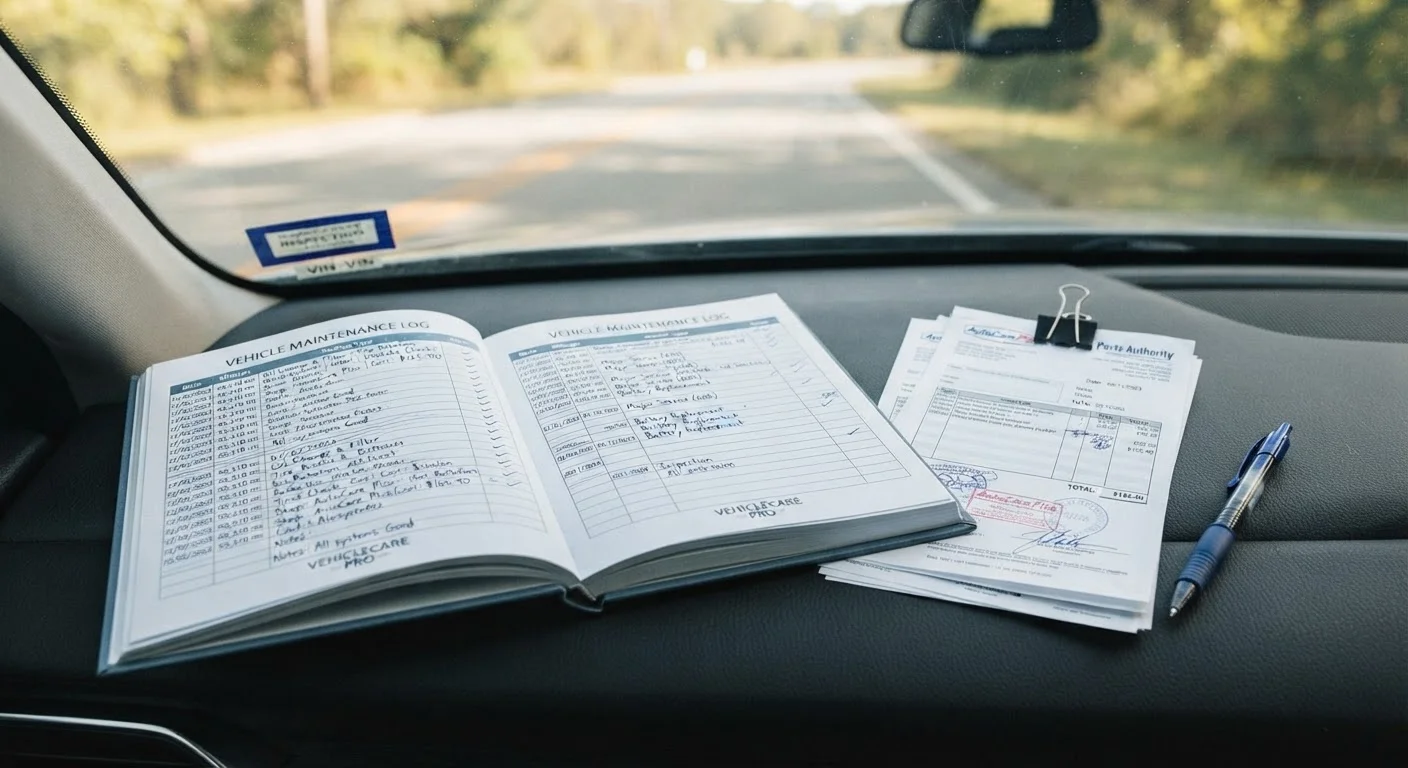
Photo: QuickAdvisor.net editorial
Key Takeaways
- A documented maintenance history gives future buyers verifiable proof the vehicle was properly cared for.
- Consistent logs can support warranty claims and help resolve disputes with mechanics or dealers.
- Both digital apps and simple paper logs are effective - consistency matters more than format.
- Recording dates, mileage, service type, and shop name creates a complete and credible paper trail.
- Sellers with full service records often face fewer price negotiations from skeptical buyers.
Why Most Sellers Overlook This Simple Advantage
When it comes time to sell a vehicle, most owners focus on cosmetics - a fresh wash, vacuumed interior, maybe a few touch-up paint repairs. What far fewer do is pull together a complete maintenance history. That oversight can quietly cost them money.
Buyers shopping the used market are inherently cautious. Without evidence of consistent upkeep, they default to skepticism and lower offers. A well-kept maintenance log directly counters that hesitation. It shifts the conversation from "how do I know this car was taken care of?" to "here's the proof." That credibility has real, practical value at the negotiating table.
For a deeper foundation on why following a consistent service routine matters, see our car maintenance schedule guide.
What to Record in Every Entry
A maintenance log is only as useful as the information it contains. Vague entries like "oil change done" leave too much to interpretation. Buyers and mechanics alike need specifics to trust what they're reading.
Keeping receipts from every shop visit pairs naturally with your log entries. As outlined in our guide on the paper trail that protects you, knowing which documents to save - and for how long - can make a meaningful difference if a dispute ever arises.
Choosing the Right Format and Sticking With It
There's no single right way to maintain a service log. Paper notebooks stored in the glove box work for drivers who prefer simplicity. Dedicated apps can automatically timestamp entries, attach photos of receipts, and store records in the cloud. Some owners use a basic spreadsheet saved to a shared drive.
What matters most isn't the format - it's consistency. A log that gets updated after every service, no matter how minor, is far more convincing to buyers than a partially filled notebook or a stack of loose receipts. If you're just getting started with vehicle ownership habits, our first-time car owner's maintenance primer covers how to build a reliable routine from the ground up.
How a Log Supports More Than Resale Value
The benefits of a maintenance log extend well beyond the eventual sale. A complete record helps you track when the next service is due, identify patterns (such as a part that keeps failing), and demonstrate good-faith vehicle care if a warranty dispute ever arises.
When a mechanic recommends a repair, your log also gives you context to ask informed questions. If the log shows a component was replaced recently, you can verify whether that recommendation makes sense - or push back with documentation.
It's also worth understanding what information about your car is already being tracked externally. Our article on what a vehicle history report actually tells you explains what third-party reports capture - and what they miss - so you understand why your personal records fill an important gap.
Finally, for drivers who rely heavily on their owner's manual for service intervals, those specifications deserve a place in your log as well. Our guide on reading your owner's manual explains how to extract the specific intervals and fluid requirements that apply to your exact vehicle.
The content on this site is for informational purposes only and is not a substitute for professional advice. Always consult a qualified professional for guidance specific to your situation.