
Starting a Walking Routine When You Haven't Exercised in Years

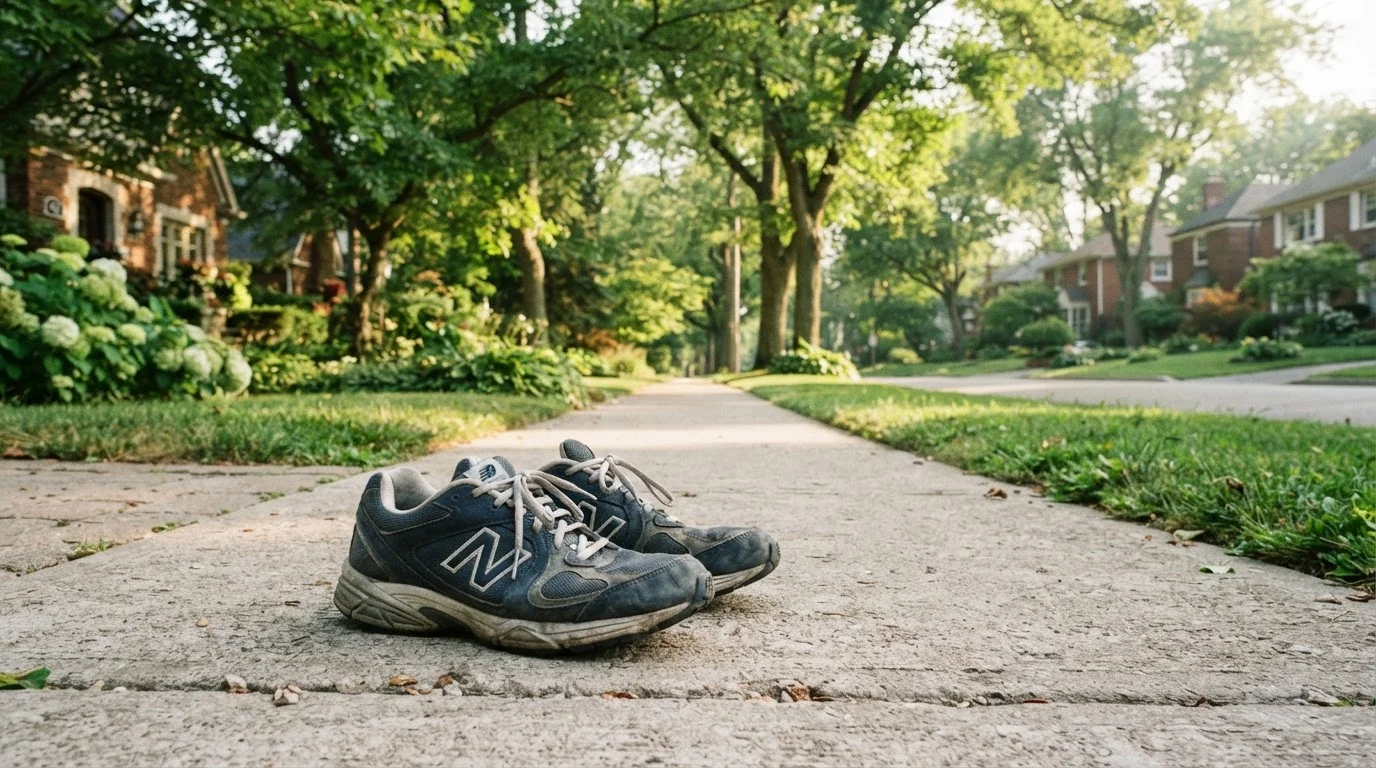
Photo: QuickAdvisor.net editorial
Key Takeaways
- Walking requires no equipment, membership, or special skill - it's ideal for absolute beginners.
- Starting with short, manageable sessions is more effective than trying to do too much too soon.
- Consistency over weeks matters far more than intensity during any single walk.
- People with certain health conditions should consult a doctor before starting any new exercise routine.
- Gradual progression - adding a few minutes each week - keeps the body adapting without risk of burnout or injury.
Why Walking Is the Right Starting Point
For anyone returning to physical activity after a long break, the instinct is often to do something dramatic - sign up for a class, download an intense program, or set ambitious goals. That instinct, while well-meaning, frequently backfires. Walking sidesteps that trap entirely.
Walking is low-impact, free, and infinitely adjustable. It places minimal stress on joints, doesn't require a gym or equipment, and can be done almost anywhere. It's also genuinely effective: research links regular walking to improvements in cardiovascular health, blood sugar regulation, mood, and weight management.
If the idea of structured exercise still feels overwhelming, this guide for anyone intimidated by fitness offers useful framing for reducing that initial barrier. Walking is often the first step described there - and for good reason.
Low-impact exercise
Physical activity that puts minimal stress on joints, such as walking or swimming. It's often recommended for beginners or people returning from inactivity.
Progressive overload
Gradually increasing the duration, frequency, or effort of exercise over time so the body adapts without being overwhelmed. For walkers, this means slowly adding minutes each week.
Cardiovascular exercise
Any activity that raises your heart rate and improves the efficiency of your heart and lungs over time. Brisk walking qualifies as cardiovascular exercise.
Rest day
A planned day without exercise that allows muscles and joints to recover. Rest days are an essential part of any fitness routine, not a sign of laziness.
Muscle soreness (DOMS)
Delayed onset muscle soreness - a dull ache that appears 12 to 48 hours after unaccustomed exercise. It's a normal response to new physical activity and fades as your body adapts.
What to Expect in the First Few Weeks
The first two to three weeks of any new movement habit involve a period of physical adjustment. Muscles that haven't been regularly used will feel fatigued faster than expected. You may experience mild soreness in your legs, calves, or lower back after early walks - this is normal and typically resolves within 24 to 48 hours.
Pace is far less important than duration and frequency at this stage. A leisurely 15-minute walk three times a week is a meaningful start. Resist the urge to compare yourself to fitness standards aimed at people who are already active.
Track Time, Not Distance or Speed
Mentally, many beginners report a mix of motivation and self-consciousness in those early weeks. Both are normal. The discomfort fades as the routine becomes familiar - that predictability is what you're building toward.
How to Structure a Beginner Walking Plan
A simple, progressive structure works best for beginners. The goal is to increase duration gradually - not to push hard from the start.
- Weeks 1-2: Walk for 10-15 minutes, three days per week at a comfortable pace.
- Weeks 3-4: Extend each session to 20 minutes, and consider adding a fourth day if the earlier sessions feel manageable.
- Weeks 5-6: Aim for 25-30 minutes per session, four to five days per week.
The right pace feels like a brisk but conversational effort - you're moving purposefully but can still speak in full sentences. If you're gasping, slow down. If everything feels effortless, pick it up slightly.
Once you've built a reliable walking base, you may find yourself ready to layer in additional movement. This consistency checklist outlines the foundational habits worth cementing before adding intensity to any routine.
Making It a Habit That Sticks
The biggest challenge with any new exercise routine isn't the physical effort - it's showing up consistently. A few strategies help significantly:
- Attach walking to an existing habit
- Link your walk to something you already do reliably - morning coffee, a lunch break, or the end of the workday. The existing routine acts as a trigger.
- Reduce friction
- Keep your shoes by the door, pre-plan your route, and choose a time of day when interruptions are least likely.
- Accept imperfect sessions
- A shorter walk than planned still counts. The goal is to keep the habit alive, even in reduced form, on hard days.
For those who prefer variety or want to eventually explore indoor options, building a home workout habit describes how to complement outdoor movement with at-home routines requiring no equipment.
When to Talk to Your Doctor
Walking is safe for most people, but certain circumstances warrant a conversation with a healthcare provider before starting. These include a history of heart disease, chest pain, uncontrolled blood pressure, recent surgery or injury, joint conditions such as severe arthritis, or pregnancy.
Stop walking and seek medical attention if you experience chest pain or tightness, shortness of breath disproportionate to effort, dizziness, or sharp joint pain. These are signals that something other than normal exertion is happening.
If you're unsure whether walking is appropriate for your situation, ask your doctor or nurse practitioner. Most will be enthusiastic about the goal and can advise on any modifications appropriate for your health history.
For a broader look at getting started with structured exercise from scratch, this beginner's workout guide covers frequency, effort, rest, and consistency principles that apply well beyond walking alone.
CDC Physical Activity Guidelines for Adults
The Centers for Disease Control and Prevention publishes evidence-based physical activity recommendations for American adults. A useful reference for understanding how walking fits into broader health goals.
America Walks
A national nonprofit focused on making walking accessible for everyone. Their resources include walking programs, route finders, and community walking events that can support motivation.
This article is for general informational purposes only and does not constitute medical advice. Always consult a qualified healthcare professional before beginning a new exercise routine, particularly if you have existing health conditions.
Frequently Asked Questions
The content on this site is for informational purposes only and is not a substitute for professional advice. Always consult a qualified professional for guidance specific to your situation.