
What 'Functional Fitness' Actually Means-and Why It's More Than a Buzzword

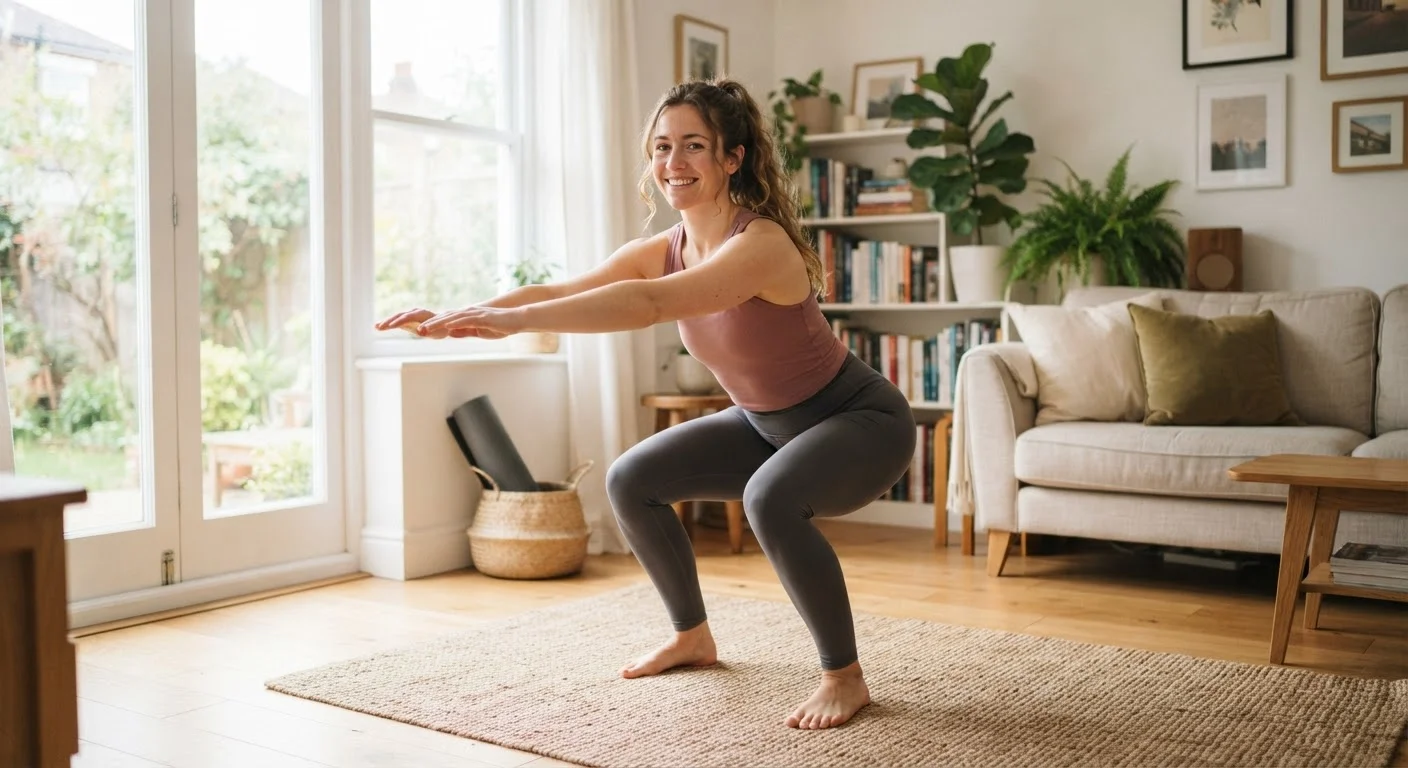
Photo: QuickAdvisor.net editorial
Key Takeaways
- Functional fitness trains movement patterns - not just muscles - to support everyday tasks.
- It originated in physical rehabilitation before spreading into mainstream fitness culture.
- Core exercises include squats, hinges, carries, pushes, and pulls performed in multiple directions.
- It benefits people of all ages and fitness levels, not just athletes or gym regulars.
- Functional training can be done with bodyweight, free weights, or basic equipment.
- It complements other training styles rather than replacing them entirely.
Where the Term Comes From
"Functional fitness" didn't start in a trendy boutique gym. The concept grew out of physical therapy and occupational rehabilitation, where clinicians needed a way to restore patients' ability to perform basic daily tasks - getting out of a chair, climbing stairs, carrying groceries - after injury or illness. The word functional was used to distinguish these practical, life-relevant movements from exercises focused purely on muscle size or athletic performance.
By the early 2000s, the term had migrated into mainstream fitness culture, carried largely by the CrossFit movement and the rise of group exercise programming. As it spread, the definition stretched - sometimes usefully, sometimes in ways that obscured its original meaning. Today it appears on gym class schedules, fitness app menus, and wellness blog headlines alike.
Understanding where it came from helps cut through the noise. At its core, functional fitness is still about the same thing it always was: training movements, not just muscles.
What It Actually Involves
Functional fitness centers on a set of fundamental movement patterns that appear constantly in real life. These include:
- Squatting - sitting down and standing up, lowering to pick something up
- Hinging - bending at the hips to lift from the floor
- Pushing - opening heavy doors, placing items on a shelf overhead
- Pulling - carrying bags, opening drawers, climbing
- Carrying - moving loads from one place to another while staying upright and stable
- Rotating - twisting to reach something behind you or across your body
What distinguishes these from isolated exercises (like a leg extension machine) is that they engage multiple joints and muscle groups simultaneously, require the body to stabilize itself, and closely mirror what the human body does outside the gym. See our glossary of fitness terms if any training language feels unfamiliar.
Start With Movements, Not Machines
Equipment is optional, not required. Bodyweight versions of squats, lunges, and push-ups deliver genuine functional training benefits. Adding resistance - through dumbbells, kettlebells, or resistance bands - increases the challenge when appropriate.
Why It Matters Beyond the Gym
The practical case for functional fitness is straightforward: the body adapts to the demands placed on it. If you only train on machines that fix your body in place and move a single joint, you build strength in that narrow context. Functional training builds strength that shows up when you carry a week's worth of groceries, lift a child, or catch yourself from a stumble on an uneven sidewalk.
~36%
U.S. adults who meet aerobic and strength guidelines
According to CDC data, only about 1 in 4 to 1 in 3 American adults meet both aerobic and muscle-strengthening activity guidelines - highlighting how much room exists for accessible, practical training approaches.
3 million+
Older adults treated for fall injuries annually in the U.S.
The CDC estimates that more than 3 million older adults are treated in emergency rooms for fall injuries each year, underscoring the public health relevance of strength and balance training.
2x
Reduced fall risk with strength and balance training
A Cochrane Review on fall prevention found that exercise programs targeting strength and balance can reduce fall rates in older adults by approximately half, compared to no intervention.
This is especially relevant as people age. Research published in peer-reviewed geriatrics journals consistently links muscular strength and balance - both central to functional training - with reduced fall risk and greater independence in older adults. But the benefits aren't limited to older populations. Busy parents, desk workers with stiff hips, and anyone who has felt their body wasn't keeping up with their daily demands can benefit from training that closes the gap between the gym and real life.
Functional fitness also tends to be more sustainable for people who aren't drawn to traditional weightlifting. The movements feel purposeful rather than abstract, which can make it easier to stay consistent - a factor the research consistently identifies as the single biggest predictor of long-term fitness outcomes. For more on training methods with broad applicability, evidence-based principles are a useful starting point.
Separating Signal From Hype
Not everything labeled "functional" delivers on the promise. Some fitness marketing attaches the term to exercises of questionable practical value - performing a bicep curl while balancing on a wobble board, for example, is unlikely to make you better at anything you actually do in daily life. The functional label is a marketing tool as often as it is a useful descriptor.
A more reliable test: ask whether an exercise trains a movement pattern you perform regularly, under conditions that approximate real life. If the answer is yes, it's likely functional in a meaningful sense. If the exercise is primarily a novelty, it may just be exercise - which is still fine, but shouldn't be oversold.
It's also worth noting that functional fitness is not a replacement for every other training approach. If you enjoy running, swimming, yoga, or traditional strength training, those activities provide real value too. The goal isn't to replace everything with one method, but to ensure your training includes movements that support the life you're actually living. Our breakdown of persistent fitness myths explores other common misunderstandings worth knowing about.
This article is for general informational and educational purposes only. It is not a substitute for advice from a qualified healthcare provider or certified fitness professional. Consult a professional before beginning or significantly changing any exercise program, particularly if you have an existing health condition or injury.
Frequently Asked Questions
The content on this site is for informational purposes only and is not a substitute for professional advice. Always consult a qualified professional for guidance specific to your situation.