
Signs Your Coping Strategies May Be Making Stress Worse

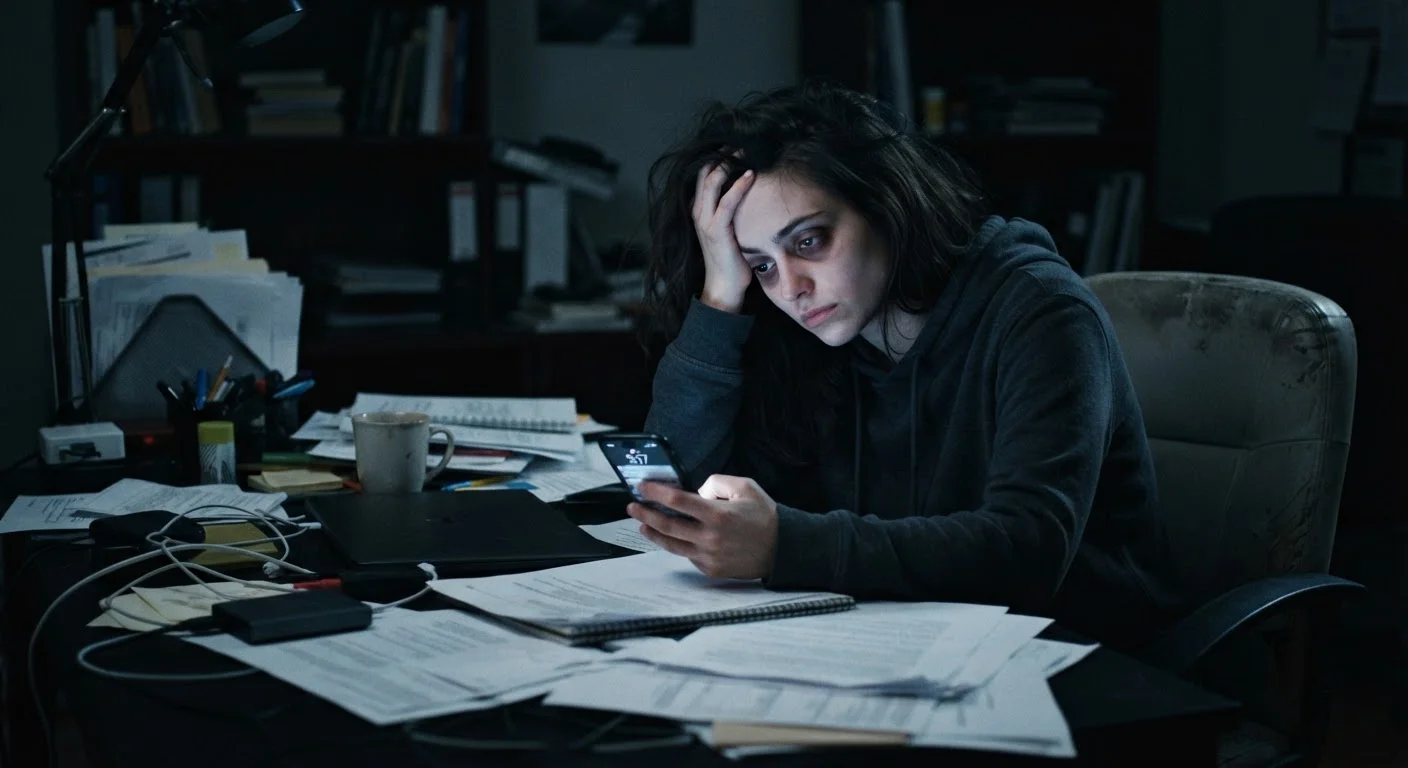
Photo: QuickAdvisor.net editorial
Key Takeaways
- Avoidance and distraction coping strategies often amplify stress rather than reduce it.
- Behaviors like overworking, scrolling, or isolating can masquerade as self-care or productivity.
- Recognizing counterproductive patterns is the first step toward building genuinely effective coping habits.
- Persistent stress symptoms despite coping efforts may signal a need to consult a mental health professional.
When Coping Becomes Part of the Problem
Not every stress-relief habit actually relieves stress. Some of the most common responses people reach for - scrolling through social media, burying themselves in work, avoiding uncomfortable conversations - can feel functional in the short term while quietly making stress harder to manage over time.
This isn't about blaming yourself for how you cope. Most of these patterns develop for understandable reasons and often worked in some context. The problem arises when they become the default, replacing the processing and action that stress actually requires. Understanding what chronic stress does to your body and brain helps clarify why ineffective coping can have real physiological consequences over time.
The mistakes below reflect patterns that mental health professionals commonly see. If several of these resonate, that's useful information - not a reason for self-criticism.
Using passive distraction - scrolling, binge-watching, or gaming - as a primary way to decompress.
Avoiding situations, conversations, or decisions that trigger stress rather than addressing them.
Overworking or staying constantly busy as a way to feel in control.
Withdrawing from social connection when stress increases.
Treating all stress as a problem to eliminate rather than something to understand.
Building Coping Habits That Actually Help
The goal isn't to eliminate all imperfect coping - it's to notice when a habit is sustaining a stress cycle rather than interrupting it. A few practical shifts can make a meaningful difference.
Coping Habits Can Feel Invisible
Start by building brief pauses into reactive moments. Before reaching for your phone or diving into work, a 60-second check-in - What am I actually feeling right now? - can interrupt the automatic loop. Over time, this kind of noticing builds the foundation for emotional regulation skills that support genuine stress relief.
It also helps to widen your view of what counts as support. If you tend to minimize your own needs or rationalize avoidance, you may find patterns worth examining in this look at why people dismiss their own mental health needs. And if stress has accumulated to the point of sustained exhaustion or detachment, a self-check for emotional burnout can help clarify where you stand.
If your stress symptoms are persistent, intensifying, or interfering with daily functioning, speaking with a licensed mental health professional is strongly recommended. This article is for general informational purposes and is not a substitute for personalized mental health care.
This article is for informational purposes only and does not constitute medical or mental health advice. Always consult a qualified healthcare professional for concerns about your mental or physical health.
The content on this site is for informational purposes only and is not a substitute for professional advice. Always consult a qualified professional for guidance specific to your situation.