
What Chronic Stress Actually Does to the Body and Brain

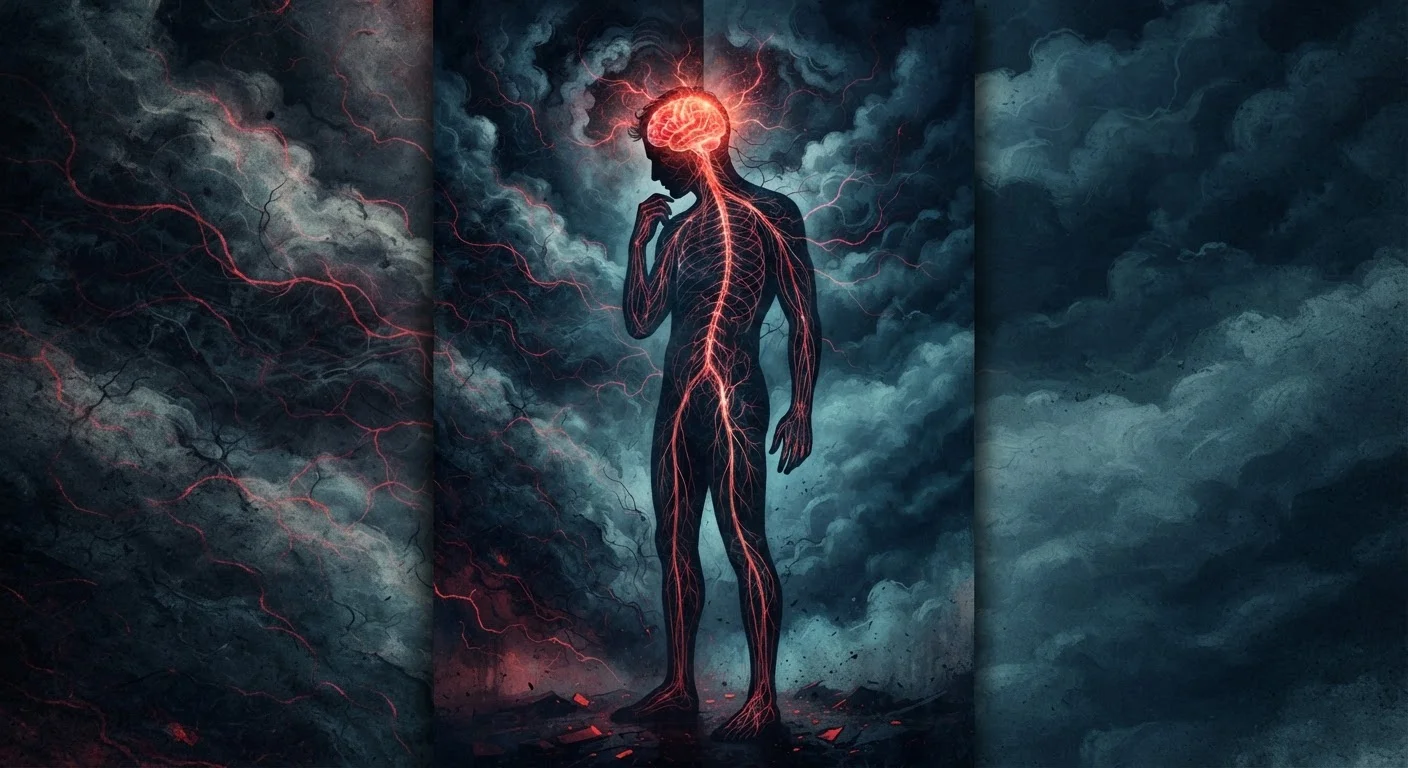
Photo: QuickAdvisor.net editorial
Key Takeaways
- Chronic stress keeps the body in a near-constant fight-or-flight state, which wears down multiple organ systems.
- Elevated cortisol over long periods can physically alter brain regions involved in memory and emotion.
- The immune, cardiovascular, and digestive systems all show measurable damage under sustained stress.
- Chronic stress and poor sleep reinforce each other, deepening both problems simultaneously.
- Recognizing the physical signs of chronic stress is an important first step toward addressing it.
The Stress Response Was Built for Sprints, Not Marathons
The human stress response is an elegant survival system - when a threat appears, the brain triggers a cascade that floods the body with adrenaline and cortisol, sharpening focus, accelerating the heart, and diverting energy to the muscles. This is the well-known "fight-or-flight" response, and for short-term danger, it works remarkably well.
The problem is that modern stressors - financial pressure, relationship conflict, job insecurity, caregiving demands - rarely resolve in minutes. They persist for months or years. The nervous system, particularly the sympathetic nervous system, was not designed to stay activated indefinitely. When it does, the same mechanisms that protect us in short bursts begin to cause damage over time.
Understanding this distinction - acute stress versus chronic stress - is the foundation for making sense of what ongoing pressure actually does inside your body.
“Stress is not just a psychological experience - it is a biological event that reaches every system in the body. The distinction between short-term and long-term stress is not merely one of degree, but of fundamentally different physiological consequences.”
— Dr. Bruce McEwen, Neuroendocrinologist and researcher on stress and the brain, Rockefeller University
What Happens to Your Hormones and Nervous System
At the center of the chronic stress response is cortisol, a hormone produced by the adrenal glands under instruction from the brain's hypothalamic-pituitary-adrenal (HPA) axis. In short bursts, cortisol is useful - it regulates blood sugar, reduces inflammation, and keeps you alert. Chronically elevated, it becomes disruptive.
Sustained high cortisol interferes with insulin sensitivity, suppresses immune function, disrupts sleep cycles, and can impair the digestive system. Research has linked chronically elevated cortisol to higher blood pressure and an increased risk of cardiovascular events. The autonomic nervous system also becomes dysregulated, with the calming "rest-and-digest" branch losing ground to the activated "fight-or-flight" branch.
77%
Adults reporting physical stress symptoms
According to American Psychological Association survey data, approximately 77% of Americans regularly experience physical symptoms caused by stress.
2x-3x
Increased cardiovascular risk with chronic stress
Research published in peer-reviewed cardiology literature suggests chronically stressed individuals may face two to three times the risk of cardiovascular events compared to low-stress peers.
~8%
Hippocampal volume reduction in prolonged stress
Neuroimaging studies have documented measurable reductions in hippocampal volume associated with sustained stress and high cortisol exposure over time.
This hormonal environment doesn't just affect how you feel - it creates measurable changes in organ function that compound over time.
How Chronic Stress Reshapes the Brain
Perhaps the most striking research on chronic stress concerns the brain itself. Studies using neuroimaging have found that prolonged stress exposure is associated with reduced volume in the hippocampus - the brain region central to memory consolidation and spatial navigation - and with changes to the prefrontal cortex, which governs decision-making and emotional regulation.
At the same time, the amygdala - the brain's threat-detection center - can become more reactive under chronic stress, making individuals more prone to anxiety, irritability, and heightened fear responses. This is part of why chronic stress and anxiety disorders are so closely linked.
It's worth noting that the brain retains neuroplasticity throughout life, meaning some of these changes may be modifiable. But this underscores why addressing chronic stress matters - the longer it persists, the deeper its footprint on brain structure and function. Poor sleep, which often accompanies chronic stress, worsens these effects. See our article on the sleep-mental health connection for more on that reinforcing cycle.
The Body-Wide Consequences You Might Not Expect
Chronic stress doesn't stay in the mind. It manifests throughout the body in ways that are easy to misattribute or overlook:
- Immune function: Prolonged cortisol elevation suppresses immune activity, leaving people more vulnerable to infections and slower to recover from illness.
- Digestive health: The gut-brain axis is highly sensitive to stress. Chronic stress alters gut motility, disrupts the microbiome, and is associated with conditions like irritable bowel syndrome (IBS).
- Cardiovascular system: Sustained elevated heart rate and blood pressure increase the workload on the heart and blood vessels over time.
- Musculoskeletal system: Muscle tension that doesn't fully release contributes to chronic headaches, neck and back pain, and jaw problems.
If you've noticed that your usual ways of managing pressure don't seem to be helping - or may even be making things worse - that's worth examining. Our piece on coping strategies that can backfire explores some of the most common patterns.
Small Recovery Windows Matter More Than You Think
This article is for general informational purposes only and does not constitute medical advice. If you are experiencing persistent or severe symptoms, please consult a qualified healthcare professional.
Frequently Asked Questions
The content on this site is for informational purposes only and is not a substitute for professional advice. Always consult a qualified professional for guidance specific to your situation.