
Dietary Fiber: Why Most Americans Fall Short and What to Do About It

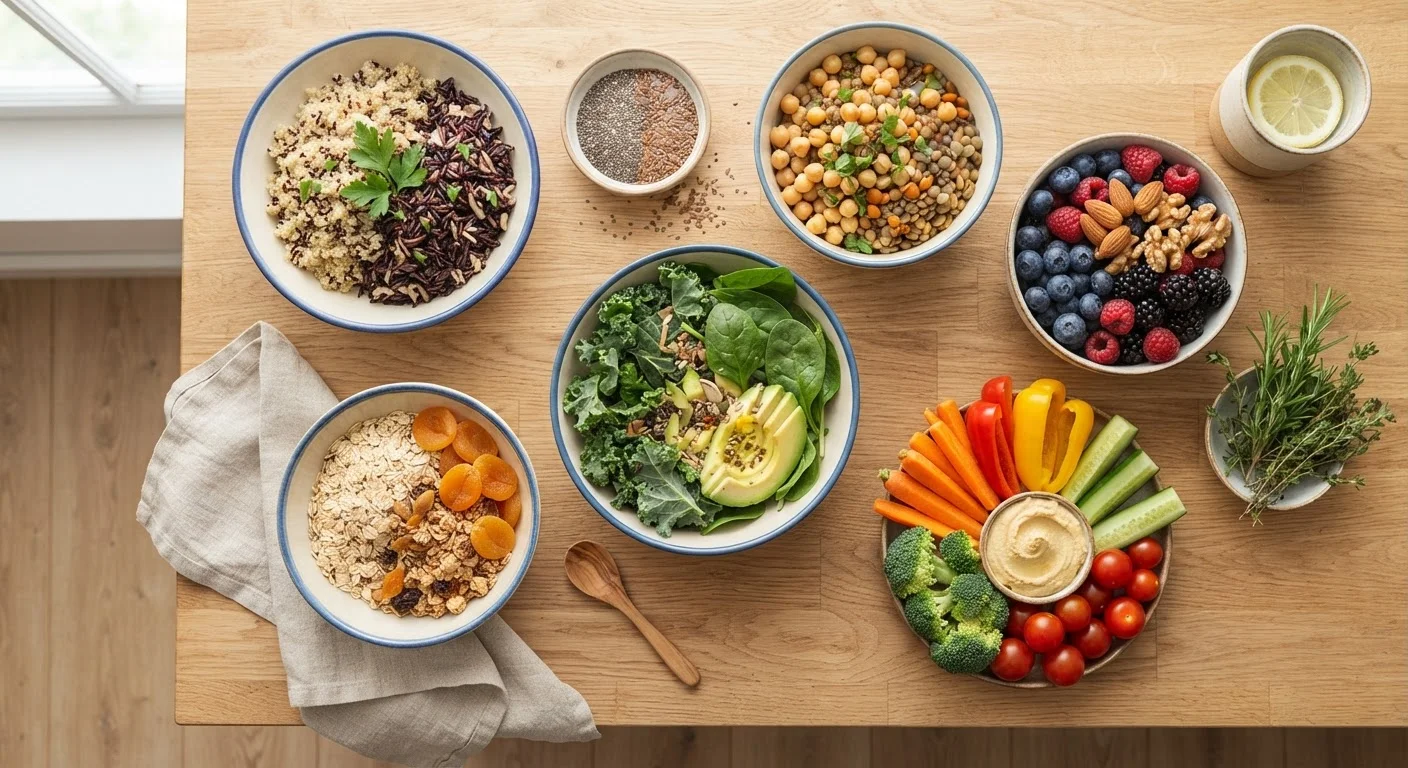
Photo: QuickAdvisor.net editorial
Key Takeaways
- Most Americans consume only about half the daily fiber recommended by health authorities.
- Fiber supports digestive regularity, blood sugar control, cholesterol management, and a healthy gut microbiome.
- Soluble and insoluble fiber have different functions, but both are important and most whole plant foods contain both.
- Increasing fiber intake gradually - alongside adequate hydration - helps minimize digestive discomfort.
- Whole food sources of fiber are generally preferable to supplements for overall nutritional benefit.
Why Fiber Matters More Than Most People Realize
Fiber is often associated with digestive regularity and little else - but its role in health extends considerably further. Research consistently links adequate fiber intake to a lower risk of cardiovascular disease, type 2 diabetes, colorectal cancer, and obesity. It also feeds the beneficial bacteria in the gut microbiome, a community of microorganisms increasingly recognized as central to overall health.
Soluble fiber - found in oats, beans, apples, and flaxseed - dissolves in water to form a viscous gel in the digestive tract. This slows digestion, which blunts blood sugar spikes after meals and helps lower LDL ("bad") cholesterol by binding bile acids. Insoluble fiber, abundant in whole wheat, most vegetables, and nuts, adds bulk to stool and speeds transit through the colon, supporting regularity and reducing the time potential irritants spend in contact with the intestinal lining.
Together, these two fiber types work synergistically. Most whole plant foods contain both, which is one reason nutrition experts consistently recommend food-first strategies over isolated supplements. For a broader look at how fiber fits within overall eating patterns, see our guide on starting to eat better.
~15g
Average daily fiber intake for Americans
The Dietary Guidelines for Americans note that most adults consume roughly 15 grams of fiber daily - about half the recommended amount.
95%
Americans not meeting fiber recommendations
Research published in nutrition literature estimates that approximately 95% of Americans fail to meet the recommended dietary fiber intake each day.
7-8g
Fiber per half-cup serving of black beans
Legumes like black beans are among the highest-fiber foods per serving, according to USDA food composition data.
The American Fiber Gap: Why It Happens
The average American consumes roughly 15 grams of fiber per day - well below the 25-38 gram target set by the Dietary Guidelines for Americans. This shortfall is not a matter of willpower; it reflects the structure of the modern American food environment. Ultra-processed foods - refined breads, snack products, fast food - dominate many diets and have had their naturally occurring fiber largely stripped away during manufacturing.
Fiber is a feature of whole plant foods, and when people eat fewer vegetables, fruits, legumes, and intact grains, fiber intake drops accordingly. Economic constraints, limited access to fresh produce in some communities, busy schedules, and simple unfamiliarity with fiber-rich cooking all contribute. Many people are also unaware they fall short, because fiber deficiency does not produce an obvious, immediate symptom the way some nutrient deficiencies do.
It's worth noting that this gap connects to broader nutritional patterns. Our article on signs your diet may be missing key nutrients explores how dietary gaps can show up in subtle ways over time.
Practical Ways to Increase Fiber Intake
Closing the fiber gap does not require a wholesale diet overhaul. Small, consistent substitutions compound meaningfully over time. A few evidence-informed strategies worth considering:
- Swap refined grains for whole grains. Choosing whole wheat bread, brown rice, oats, or barley over their refined counterparts adds fiber without changing the overall structure of meals.
- Add legumes regularly. Beans, lentils, and chickpeas are among the most fiber-dense foods available and are also affordable. Adding a half-cup to soups, salads, or grain bowls is one of the highest-return changes a person can make.
- Eat vegetables and fruits with their skins when appropriate. The skin of apples, potatoes, zucchini, and similar foods contains significant fiber that peeling removes.
- Choose whole fruit over juice. Juicing typically removes most of the fiber; whole fruit retains it.
- Snack strategically. Nuts, seeds, and raw vegetables offer fiber and other nutrients, replacing lower-fiber processed snack options.
One important caution: increase fiber gradually. Jumping from a low-fiber to a high-fiber diet quickly can cause gas, bloating, and cramping as gut bacteria adapt. Spreading the increase over several weeks - and drinking adequate water - makes the transition more comfortable. For more on how hydration interacts with your diet, see how your food contributes to hydration.
Increase Fiber Gradually for Comfort
This article is for general informational and educational purposes only and is not a substitute for professional medical or nutritional advice. Speak with a qualified healthcare provider or registered dietitian before making significant dietary changes, particularly if you have a digestive condition, chronic illness, or other health concerns.
Frequently Asked Questions
The content on this site is for informational purposes only and is not a substitute for professional advice. Always consult a qualified professional for guidance specific to your situation.