
Friction at Work: The Force That Lets You Walk, Drive, and Stop

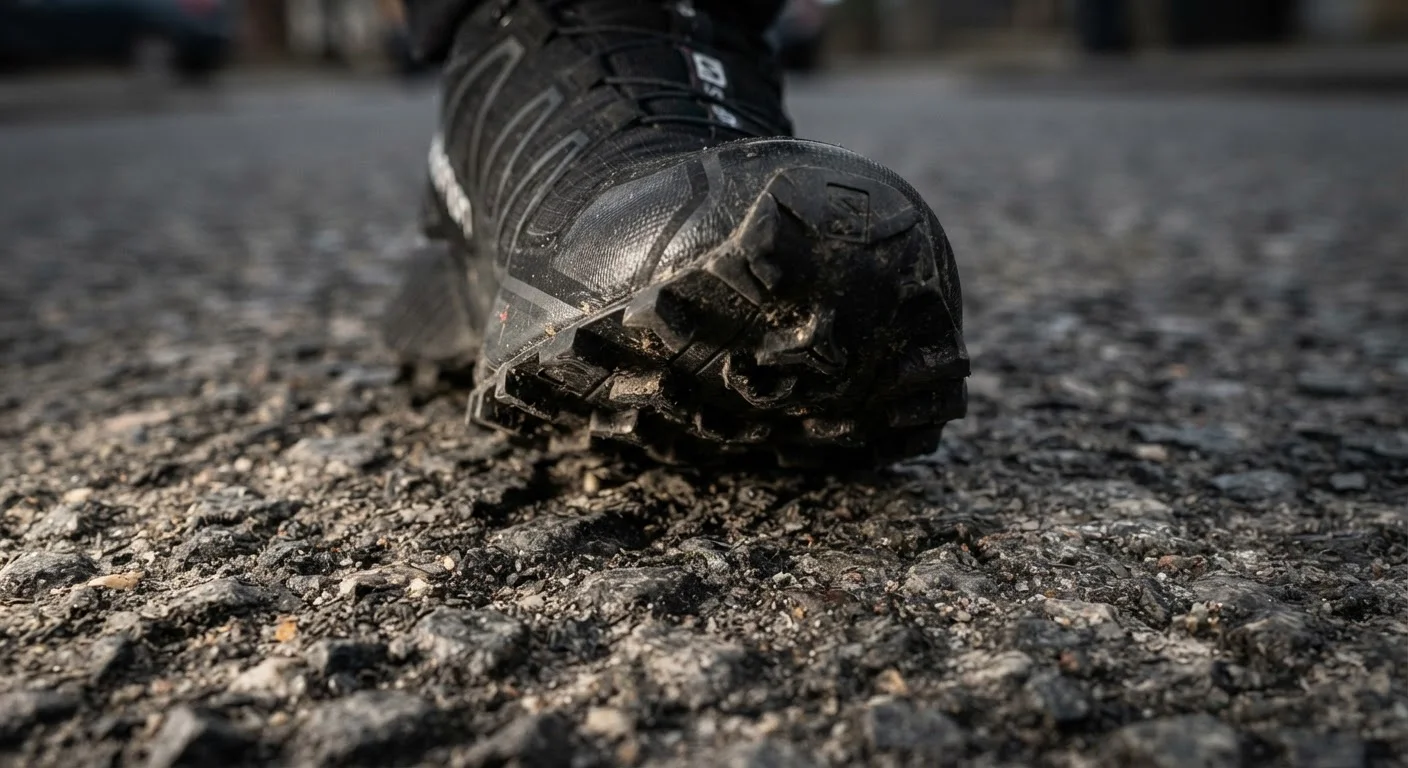
Photo: QuickAdvisor.net editorial
Key Takeaways
- Friction is a contact force that opposes motion between surfaces touching each other.
- Two main types - static and kinetic - govern whether an object resists moving or resists while moving.
- Surface texture, material properties, and the force pressing surfaces together all determine friction's strength.
- Friction is essential for walking, driving, and stopping, but also generates heat that engineers must manage.
- Reducing or increasing friction is behind countless engineering solutions, from lubricants to anti-lock brakes.
Two Kinds of Friction You Use Every Day
Physics textbooks often introduce friction with diagrams of boxes being dragged across floors. That's accurate - but it obscures how constantly and invisibly friction shapes every moment of your day. There are two types you rely on constantly: static friction and kinetic friction.
Static friction is the force that keeps objects still when another force tries to move them. It's why your phone doesn't slide off a slightly tilted table, why a ladder leans against a wall without falling, and why a parked car stays put on a gentle slope. Static friction adjusts to match the applied force - up to a limit. Push hard enough, and the object finally moves.
Once motion begins, kinetic friction takes over. It's slightly weaker than static friction, which is why getting something moving takes more effort than keeping it moving. Dragging a heavy box across a floor feels hardest in that first instant, then eases slightly as you build momentum.
Rolling Friction Is Different
What Actually Determines How Much Friction There Is
Friction doesn't behave randomly - it depends on two key factors. The first is the normal force: the force pressing the two surfaces together. Press harder, and friction increases. This is why a loaded truck requires far more braking force than an empty one - the heavier vehicle pushes its tires more forcefully against the road, generating greater friction, but also requiring much more force to bring that friction to a complete stop.
The second factor is the coefficient of friction - a number specific to each pair of materials. Rubber on dry asphalt has a high coefficient, meaning strong grip. Ice on steel has an extremely low one, which is why hockey pucks glide so freely and why icy roads are so dangerous. Engineers capture this relationship in a simple formula: friction force equals the coefficient of friction multiplied by the normal force.
Crucially, surface area - the size of the contact patch - does not directly change friction in classical physics. A wide tire and a narrow tire of the same material and weight create the same friction force, though tire width affects other handling properties. This surprises most people.
~0.7
Friction coefficient: rubber on dry asphalt
This commonly referenced value from engineering references illustrates the strong grip that makes road driving possible under normal conditions.
~0.03
Friction coefficient: ice on steel
The extremely low value explains why ice skating works and why icy roads are so hazardous - surfaces can barely grip each other.
~20%
Engine energy lost to friction in automobiles
Engineering analyses suggest roughly 20% of fuel energy in a typical internal combustion engine is dissipated as heat through friction in moving components.
Friction in Motion: Walking, Driving, and Stopping
Consider what happens when you walk. Your foot pushes backward and downward against the ground. Static friction pushes back - forward and upward - propelling your body ahead. Remove that friction (try walking on a perfectly frictionless surface, as anyone who's stepped onto black ice knows) and your foot slides uselessly backward. You can't go anywhere.
Driving depends equally on friction at every stage. Acceleration relies on friction between tires and road to push the vehicle forward. Steering depends on tire grip to redirect momentum. And stopping - perhaps the most safety-critical moment - converts your car's kinetic energy into heat through friction between brake pads and rotors. As the physics of inertia reminds us, a moving object wants to stay moving, and it's friction alone that overcomes that tendency.
Modern anti-lock braking systems (ABS) exist precisely because engineers understand friction deeply. A fully locked, skidding tire transitions from static to kinetic friction - and loses grip. ABS rapidly pumps the brakes to keep tires rolling and static friction engaged, shortening stopping distances on slippery surfaces.
Check Tire Tread for Safer Friction
When Engineers Fight Friction - and When They Court It
Friction is both essential and costly. In machinery, unwanted friction between moving parts generates heat, wastes energy, and causes wear. This is why lubrication - oil, grease, or engineered coatings - is so fundamental to mechanical engineering. A well-lubricated engine reduces friction between pistons and cylinder walls, improving efficiency and lifespan.
But in other contexts, engineers work hard to maximize friction. Brake linings are formulated from materials with high friction coefficients. Rock climbing shoes use sticky rubber compounds. Road surfaces are textured deliberately to maintain tire grip in wet conditions. The study of friction, wear, and lubrication even has its own scientific discipline: tribology.
Understanding friction also connects to how energy transfers in collisions - because friction is one of the key ways kinetic energy converts to heat during any impact or sliding contact. Every fender bender, every skid mark, every squealing brake is friction at work, doing physics in plain sight.
Frequently Asked Questions
The content on this site is for informational purposes only and is not a substitute for professional advice. Always consult a qualified professional for guidance specific to your situation.