
Consumer Protection Agencies: Who They Are and What They Can Actually Do for You

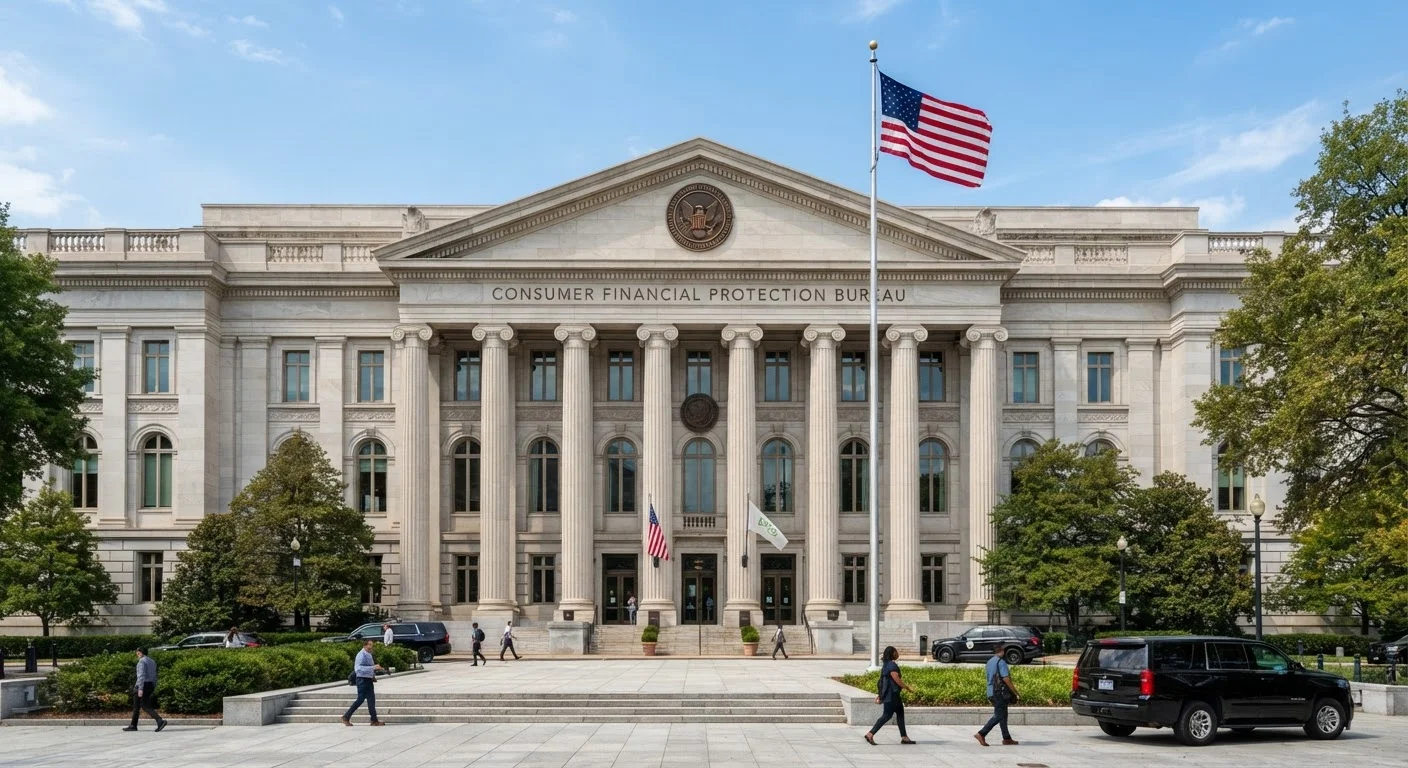
Photo: QuickAdvisor.net editorial
The Landscape: Federal Agencies with Real Enforcement Power
When a consumer dispute goes unresolved, knowing which agency handles what can mean the difference between effective recourse and a dead end. Several federal agencies hold meaningful authority over businesses - and they're free to contact.
| FTC Complaint Portal | ReportFraud.ftc.gov (Federal Trade Commission) |
| CFPB Complaint Response Time | Companies must respond within 15 days (Consumer Financial Protection Bureau) |
| Unsafe Product Reports | SaferProducts.gov (CPSC) (Consumer Product Safety Commission) |
| Airline Consumer Complaints | U.S. Department of Transportation (DOT Aviation Consumer Protection) |
| Telecom & Robocall Complaints | Federal Communications Commission (FCC) (FCC Consumer Help Center) |
| State-Level General Recourse | State Attorney General consumer division (National Association of Attorneys General) |
Federal Trade Commission (FTC)
The FTC is the broadest federal consumer protection agency. It enforces laws against deceptive advertising, unfair business practices, identity theft, and fraudulent schemes. Consumers can file complaints at ReportFraud.ftc.gov. The FTC doesn't resolve individual disputes directly, but complaint data shapes enforcement actions against companies - and the agency does return money to consumers through settlements when cases succeed.
Consumer Financial Protection Bureau (CFPB)
Created by the Dodd-Frank Act, the CFPB focuses specifically on financial products: mortgages, credit cards, student loans, payday lending, and debt collection. Unlike the FTC, the CFPB does actively work individual complaints and requires companies to respond within 15 days. File through consumerfinance.gov/complaint. If you've been mistreated by a bank, lender, or debt collector, the CFPB is often your most direct federal option.
Consumer Product Safety Commission (CPSC)
The CPSC regulates the safety of physical consumer goods - everything from children's toys to power tools. It issues recalls, sets safety standards, and investigates hazardous products. Report unsafe products at SaferProducts.gov. It does not resolve pricing or fraud disputes.
Other Federal Players
The Department of Transportation (DOT) handles airline consumer complaints. The Federal Communications Commission (FCC) covers telecom billing issues and robocall violations. The Food and Drug Administration (FDA) handles complaints about food, drug, or supplement safety - not pricing or sales practices. Understanding which agency governs which sector prevents wasted effort. For a deeper look at the terminology behind these protections, see key consumer protection terms every shopper should know.
State-Level Agencies and the Attorney General's Office
State agencies are often the most powerful resource for individual consumer disputes - and the most overlooked. Every state has an Attorney General (AG) office with a consumer protection division. Unlike federal agencies focused on systemic enforcement, state AG offices more frequently intervene in individual complaints, particularly when a business is generating high complaint volume.
Consumer Protection Statute
A law that prohibits deceptive, unfair, or fraudulent business practices. Both federal and state versions exist, and state laws sometimes provide stronger protections than federal law.
Regulatory Enforcement
Action taken by a government agency against a business that has violated consumer protection laws. This may include fines, lawsuits, or mandatory changes to business practices.
Cease-and-Desist Order
A legal directive requiring a business to stop a specific practice immediately. State attorneys general can issue these when businesses violate consumer protection laws.
Complaint Mediation
A process where an agency facilitates communication between a consumer and a business to reach a resolution. Some state AG offices offer this service for individual disputes.
What State AGs Can Actually Do
- Issue cease-and-desist orders against deceptive businesses
- File lawsuits on behalf of consumers collectively
- Mediate disputes directly between consumer and company
- Investigate and penalize violations of state consumer protection statutes
Some states have stronger protections than federal law provides. California, New York, and Illinois, for example, have consumer protection statutes that go beyond federal minimums. File complaints through your state's official AG website - search " attorney general consumer complaint."
State-Level Specialty Agencies
Beyond the AG, states often have dedicated offices for insurance complaints (state Department of Insurance), utility billing disputes (public utilities commission), and contractor fraud (contractor licensing boards). If you're dealing with a regulated industry, the sector-specific agency usually has faster authority than a general complaint portal.
Many consumers skip these options entirely - a pattern covered in what new shoppers get wrong about their legal protections. Knowing these agencies exist is the first step; using them strategically is the next.
When Agency Complaints Aren't Enough
Regulatory agencies pursue systemic enforcement - they're not small-claims courts. If you need direct monetary restitution from a single business, small claims court may be the more effective parallel route. Filing an agency complaint and pursuing small claims simultaneously is entirely permissible and often strategic.
Keep Records Before You File Any Complaint
The content on this site is for informational purposes only and is not a substitute for professional advice. Always consult a qualified professional for guidance specific to your situation.