
Implied vs. Express Warranties: What's the Difference and Why It Matters

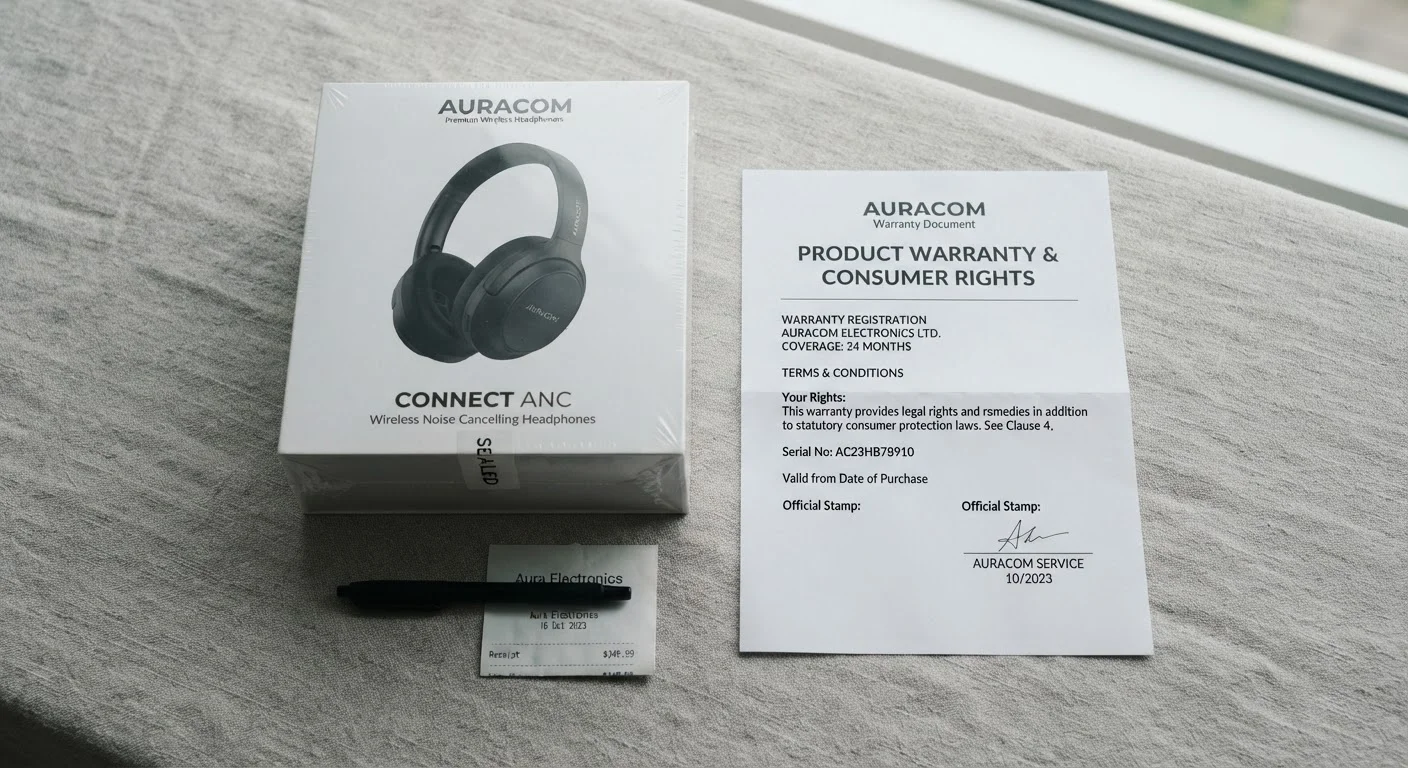
Photo: QuickAdvisor.net editorial
Key Takeaways
- Express warranties are explicit promises made in writing or by a seller's specific statements.
- Implied warranties are automatic legal protections that apply even when nothing is written down.
- Sellers can legally disclaim implied warranties in many states, but only under specific conditions.
- The Magnuson-Moss Warranty Act governs how written warranties must be presented to consumers.
- Both warranty types can apply simultaneously to the same product purchase.
- Understanding your warranty type determines which legal remedies you can pursue.
What Is an Express Warranty?
An express warranty is any explicit promise a seller or manufacturer makes about a product - in writing, in advertising, or even through a verbal statement. It sets out specific coverage: what's included, for how long, and what remedy the buyer is entitled to if something goes wrong.
Common forms include written warranty cards, product manuals with guarantees, packaging statements like "lasts 10,000 hours," and in-store or online representations. Under the federal Magnuson-Moss Warranty Act, any written warranty on a consumer product costing more than $15 must clearly state whether it is "full" or "limited" - two designations with meaningfully different obligations. A full warranty requires repair or replacement at no charge within a reasonable time; a limited warranty narrows those obligations.
Crucially, an express warranty doesn't have to use the word "warranty" to be legally binding. If a salesperson says a blender will handle frozen ingredients without issue and it can't, that statement may constitute an express warranty under the Uniform Commercial Code (UCC) - a set of commercial laws adopted in some form by all U.S. states. Understanding warranty language is key before you rely on any written coverage.
| Criterion | Express Warranty | Implied Warranty |
|---|---|---|
| Origin | Created by seller's statements or writing | Imposed automatically by law |
| Written form required? | Usually yes; verbal claims can qualify | No - exists without documentation |
| Duration | Defined by warranty terms | Varies by state; often 4 years under UCC |
| Can be disclaimed? | Terms set by seller; cannot exceed promises made | Yes, via explicit "as-is" language in most states |
| Governed by | Magnuson-Moss Act + UCC | UCC (state law) |
| Applies to used goods? | Rarely | Sometimes, unless disclaimed |
What Is an Implied Warranty?
An implied warranty isn't written anywhere - it's a legal protection that automatically accompanies most product sales. It exists because the law presumes that when you buy something, the seller is representing it as fit for normal use.
There are two main types. The implied warranty of merchantability means a product must work the way a reasonable person would expect it to. A toaster must toast bread. A rain jacket must repel water. If it doesn't, you may have grounds for a claim. The implied warranty of fitness for a particular purpose applies when a seller knows you're buying a product for a specific use and recommends it for that use - their recommendation creates an implied legal obligation.
These protections come from the UCC and cannot be silently removed. However, sellers can disclaim implied warranties in many states - but only through conspicuous, explicit language (typically phrases like "sold as-is" or "with all faults"). If no such disclaimer was made at the point of sale, implied warranty protections may still apply to your purchase. Federal and state consumer protections interact with these warranty rules in ways that vary by location.
State Law Matters Here
Key Differences and How They Work Together
The clearest way to think about this distinction: express warranties are voluntary promises; implied warranties are legally imposed minimums. A seller chooses to make express warranties. The law imposes implied warranties regardless of what the seller wants.
50 states
UCC adoption across the U.S.
All 50 U.S. states have adopted some version of the Uniform Commercial Code, which governs both types of warranty protections.
$15
Threshold triggering Magnuson-Moss requirements
Under federal law, any written warranty on a consumer product priced above $15 must disclose whether it is full or limited.
Both types can apply simultaneously. A product might carry a one-year express warranty covering defects in materials and an implied warranty of merchantability - meaning if the product fails at 14 months in a way that suggests it was never fit for normal use, the implied warranty may still provide recourse even after the express warranty expires.
Where implied warranties are disclaimed by "as-is" language, express warranties become your primary recourse. And where an express warranty exists, the Magnuson-Moss Act limits a seller's ability to fully disclaim implied warranties - providing an additional layer of consumer protection that many shoppers don't know about. For a broader view of these interactions, comparing manufacturer and extended warranties is worth exploring.
If you're navigating your first warranty dispute, common misconceptions about legal protections may help you avoid missteps.
The content on this site is for informational purposes only and is not a substitute for professional advice. Always consult a qualified professional for guidance specific to your situation.