
What 'As-Is' Actually Means When You See It on a Price Tag

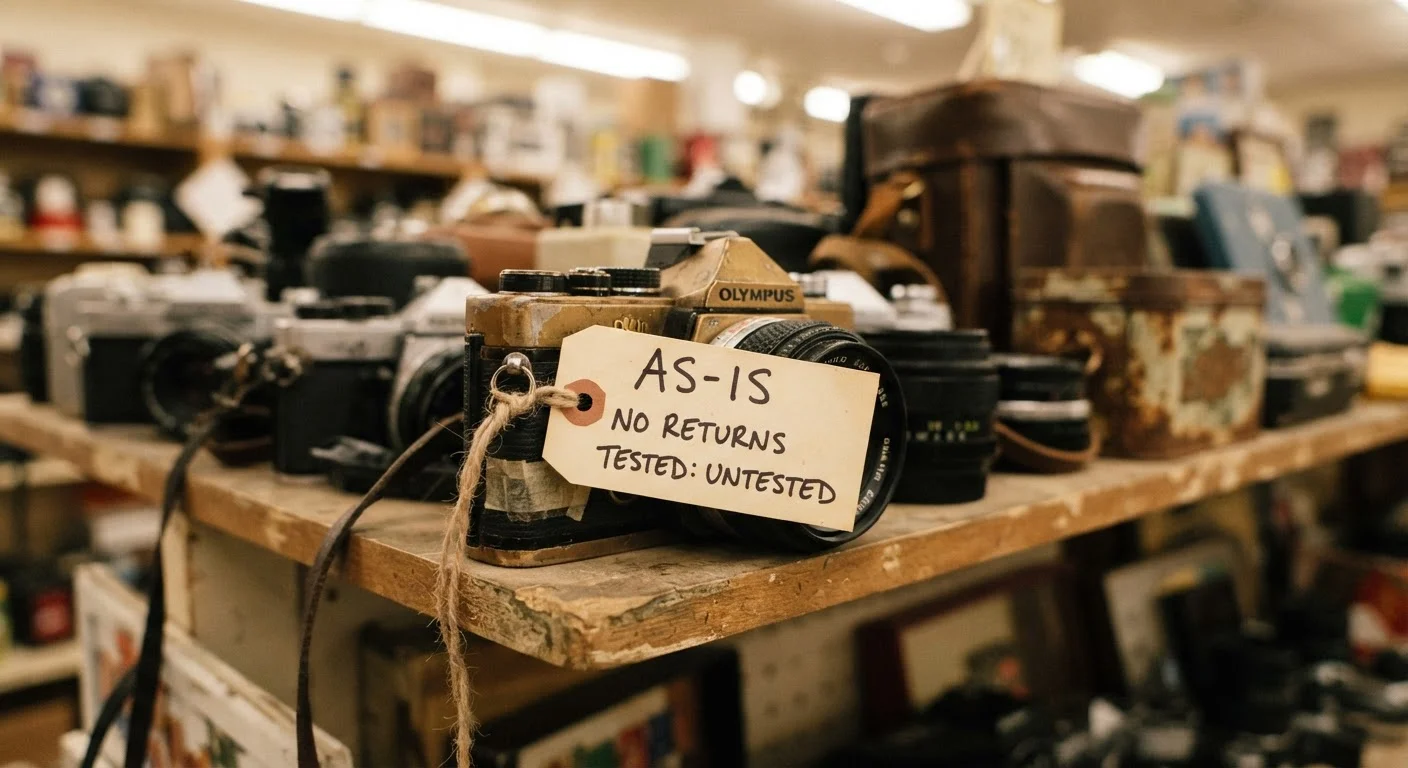
Photo: QuickAdvisor.net editorial
Key Takeaways
- 'As-is' transfers risk to the buyer, but does not eliminate all legal protections.
- Sellers cannot use 'as-is' to hide known defects they are legally required to disclose.
- Federal product safety recalls still apply even to as-is merchandise.
- State consumer protection laws may provide recourse even after an as-is purchase.
- Inspecting an item before buying is your strongest defense in an as-is transaction.
What 'As-Is' Is Actually Telling You
When a price tag reads 'as-is,' the seller is making one thing clear: what you see is what you get, and they are not responsible for what happens next. There are no promises about the condition, no implied guarantees of function, and no expectation of a refund if the item fails the moment you get it home.
This isn't just informal retailer language - it has legal weight. Most U.S. states follow the Uniform Commercial Code (UCC), which allows sellers to disclaim implied warranties when they use terms like 'as-is' or 'with all faults.' That disclaimer is specifically designed to shift the risk of an unknown defect from the seller to the buyer.
For buyers, that means the burden of assessment falls on you before the transaction closes - not after. Understanding this framing is the first step to protecting yourself. See what the law actually guarantees you as a consumer for the broader legal context.
What 'As-Is' Cannot Take Away
The as-is label has limits. Sellers cannot use it as a blanket shield against every consumer protection that exists.
State Law Variations Matter Here
- Mandatory disclosure of known defects: In many states, sellers - particularly in real estate and used vehicle transactions - are legally required to disclose known material defects even in as-is sales. Hiding a structural crack or a flood-damaged engine can constitute fraud, regardless of the as-is tag.
- Federal product safety recalls: If an item is under an active recall from the Consumer Product Safety Commission (CPSC) or another federal agency, that recall obligation doesn't disappear because the product was labeled as-is. Sellers who knowingly resell recalled items may face liability.
- State consumer protection statutes: Many states have unfair or deceptive trade practice laws that cannot be waived by contract language. If a seller's as-is disclosure is misleading or buried in fine print, these laws may still give you recourse.
- Express warranties made verbally: If a salesperson tells you 'it runs great' or 'the screen is just lightly scratched,' that verbal statement can constitute an express warranty - and may override the as-is disclaimer if you relied on it. Learn how implied and express warranties differ and why the distinction matters here.
Common Contexts Where You'll Encounter 'As-Is'
As-is labels appear across a wide range of transactions, and the practical implications differ by context:
- Thrift and secondhand stores: Most items are priced low specifically because no condition guarantee exists. Inspect thoroughly before purchasing.
- Used vehicle sales: Private sellers almost always sell as-is. Even some used-car dealers will designate specific vehicles as-is to disclaim warranty coverage. Always request a pre-purchase inspection by an independent mechanic.
- Estate and liquidation sales: These often involve large volumes of items sold quickly. As-is is standard, and sellers may not know the full history of the merchandise.
- Floor models and open-box retail: Retailers often sell display units or returned merchandise as-is at a discount. The original manufacturer's warranty may or may not transfer - verify before assuming.
Protecting Yourself Before You Buy
The most effective protection in an as-is transaction happens before money changes hands. Once you've paid, your options narrow significantly.
Get Verbal Promises in Writing
Practical steps that shift the odds in your favor:
- Inspect everything yourself - or bring someone who can. For vehicles, hire a mechanic. For electronics, ask to power the item on.
- Ask about known problems directly and get answers in writing if possible. A seller who refuses to answer basic condition questions is telling you something.
- Check for open recalls using the CPSC database at cpsc.gov or the NHTSA database for vehicles at nhtsa.gov - both are free and public.
- Document the item's condition with photos or video at the point of sale, especially for higher-value purchases.
- Read any paperwork carefully - some as-is disclaimers contain specific language required by state law, and missing language may actually weaken the seller's protection.
For a broader look at where new buyers commonly misread their rights, see what new shoppers get wrong about their legal protections.
Frequently Asked Questions
The content on this site is for informational purposes only and is not a substitute for professional advice. Always consult a qualified professional for guidance specific to your situation.