
Your Rights When an Online Order Arrives Damaged or Never Shows Up

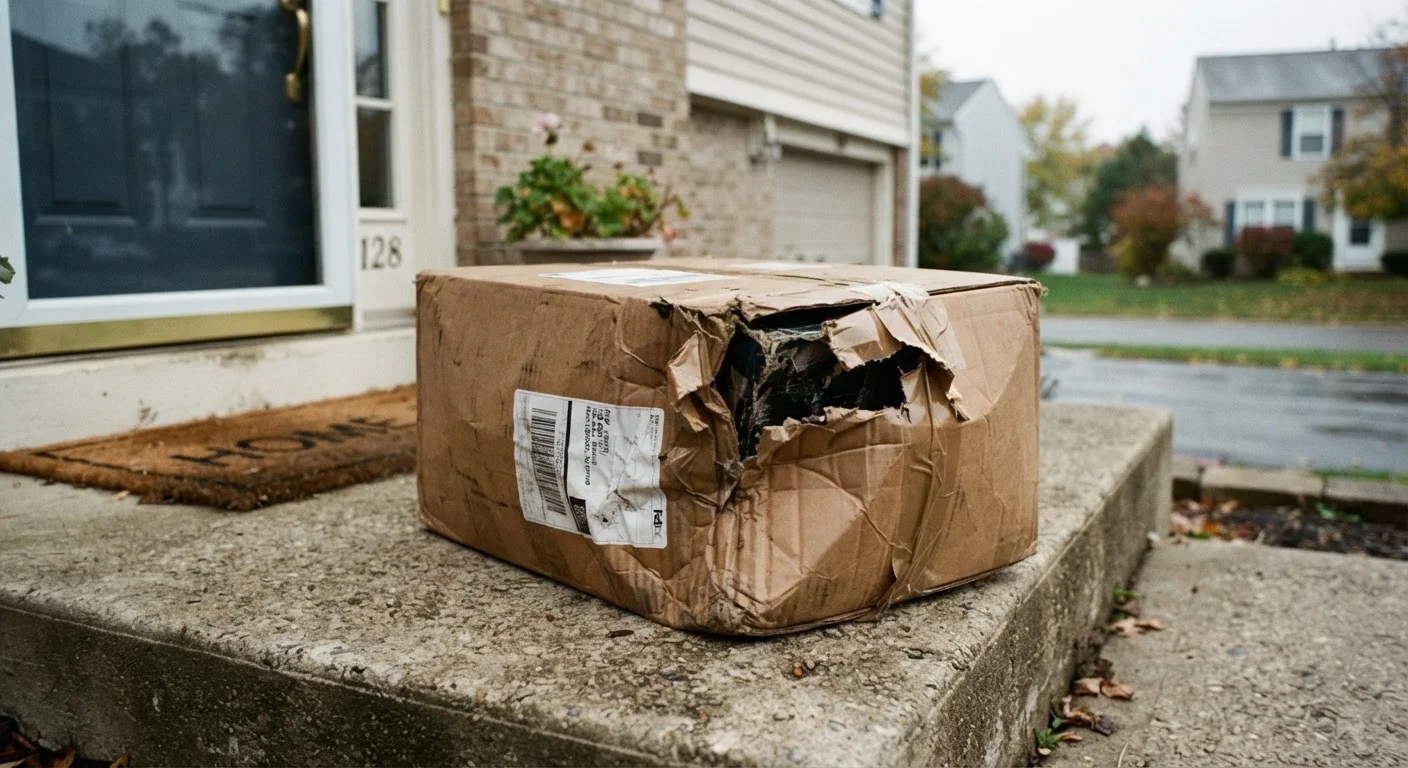
Photo: QuickAdvisor.net editorial
Key Takeaways
- Federal law requires sellers to ship within the promised timeframe or offer a full refund.
- Credit card chargebacks are a powerful last resort when sellers refuse to resolve the issue.
- Document everything - photos, timestamps, and written communication - before escalating.
- Carriers and sellers have separate liability; you may need to pursue both.
- Filing a complaint with the FTC or your state AG adds leverage in stubborn disputes.
What the Law Actually Says
When you buy something online, you enter a contract. The seller is obligated to deliver what you paid for, in the condition described, within the timeframe promised. That's not just good business practice - it's backed by federal regulation.
The FTC's Mail, Internet, or Telephone Order Merchandise Rule (commonly called the Mail Order Rule) requires sellers to ship within the timeframe they advertise - or within 30 days if no timeframe is stated. If they can't meet that deadline, they must notify you and give you the option to cancel for a full refund. Ignoring this rule exposes sellers to FTC enforcement action.
Separately, the Fair Credit Billing Act (FCBA) gives credit card holders the right to dispute charges for goods that were never delivered or arrived significantly different from what was described. This is the legal backbone of the chargeback process. Debit cards have weaker protections under the Electronic Fund Transfer Act, so credit cards provide stronger consumer recourse for online purchases.
For a broader overview of your statutory protections as a shopper, see our guide to consumer rights in America.
What you will need
Step-by-Step: How to Resolve a Damaged or Missing Order
Work through these steps in order. Most disputes are resolved before you reach step five, but documenting each stage keeps your options open if the situation escalates.
Document the damage or non-delivery immediately
Before contacting anyone, gather your evidence. For damaged items, photograph the outer packaging, inner packaging, and the item itself - all before you dispose of anything. Note the date and time of delivery from your tracking record. For missing packages, take a screenshot of the tracking status showing the last known location or a "delivered" status you can't confirm.
Keep all original packaging. Carriers and sellers may require it during a claim investigation.
Contact the seller in writing
Use the seller's official messaging system or email - not a chat window that doesn't save transcripts. State the problem clearly: order number, what arrived (or didn't), and what resolution you're requesting (replacement or refund). Written contact creates a timestamped record.
Give the seller a reasonable response window - typically 3 to 5 business days. Most reputable sellers will resolve straightforward cases quickly at this stage.
Escalate to the platform's buyer protection program
If the seller is unresponsive or refuses a reasonable resolution, escalate to the marketplace or platform where you made the purchase. Most major e-commerce platforms operate buyer protection programs with defined claim windows - often 30 to 90 days from the order date. File within that window or you may lose access to the program entirely.
Have your documentation ready: photos, order confirmation, and any seller correspondence.
File a credit card chargeback if earlier steps fail
Contact your card issuer and initiate a dispute under the Fair Credit Billing Act. For credit cards, you generally have 60 days from the statement date on which the charge appeared to file. Explain that the merchandise was either not received or materially different from what was described - both are valid dispute grounds under the FCBA.
Submit your documentation: the order confirmation, your written attempts to resolve with the seller, and the tracking or damage evidence. The card issuer investigates and, if your claim is valid, issues a provisional credit while the dispute is reviewed.
File a complaint with consumer protection authorities
If the seller is acting in bad faith or the amounts are significant, file complaints with the FTC at ReportFraud.ftc.gov and your state attorney general's consumer protection division. These filings don't guarantee individual resolution, but they create regulatory pressure and contribute to enforcement patterns.
For disputes involving fraudulent sellers or identity-based scams, the FBI's Internet Crime Complaint Center (IC3) at ic3.gov is the appropriate federal channel.
Chargeback Deadlines Are Non-Negotiable
When the Seller Blames the Carrier
A common deflection is "the carrier is responsible, not us." This is often misleading. Unless the seller used a carrier you personally arranged and paid for, the seller is the shipper of record - meaning the carrier contract is between the seller and the carrier, not you and the carrier. You have no legal standing to file a carrier claim in that scenario; the seller does.
That said, filing an informational report with the carrier (UPS, FedEx, USPS) creates a paper trail. USPS allows customers to submit a Missing Mail Search Request. UPS and FedEx have online claim portals. These reports don't guarantee resolution, but they document the problem independently.
If the seller keeps pointing at the carrier without taking action themselves, that's grounds for a chargeback or a complaint to the FTC at ReportFraud.ftc.gov. Your state attorney general's consumer protection office is another avenue - many have online complaint portals and do follow up with businesses.
Also review what you agreed to at checkout. Return policy language can affect your options - particularly clauses about shipping damage or "delivered as confirmed" language. Our article on return policy fine print traps covers the specific language to watch for before you buy.
The content on this site is for informational purposes only and is not a substitute for professional advice. Always consult a qualified professional for guidance specific to your situation.