
Traps in the Return Policy Fine Print

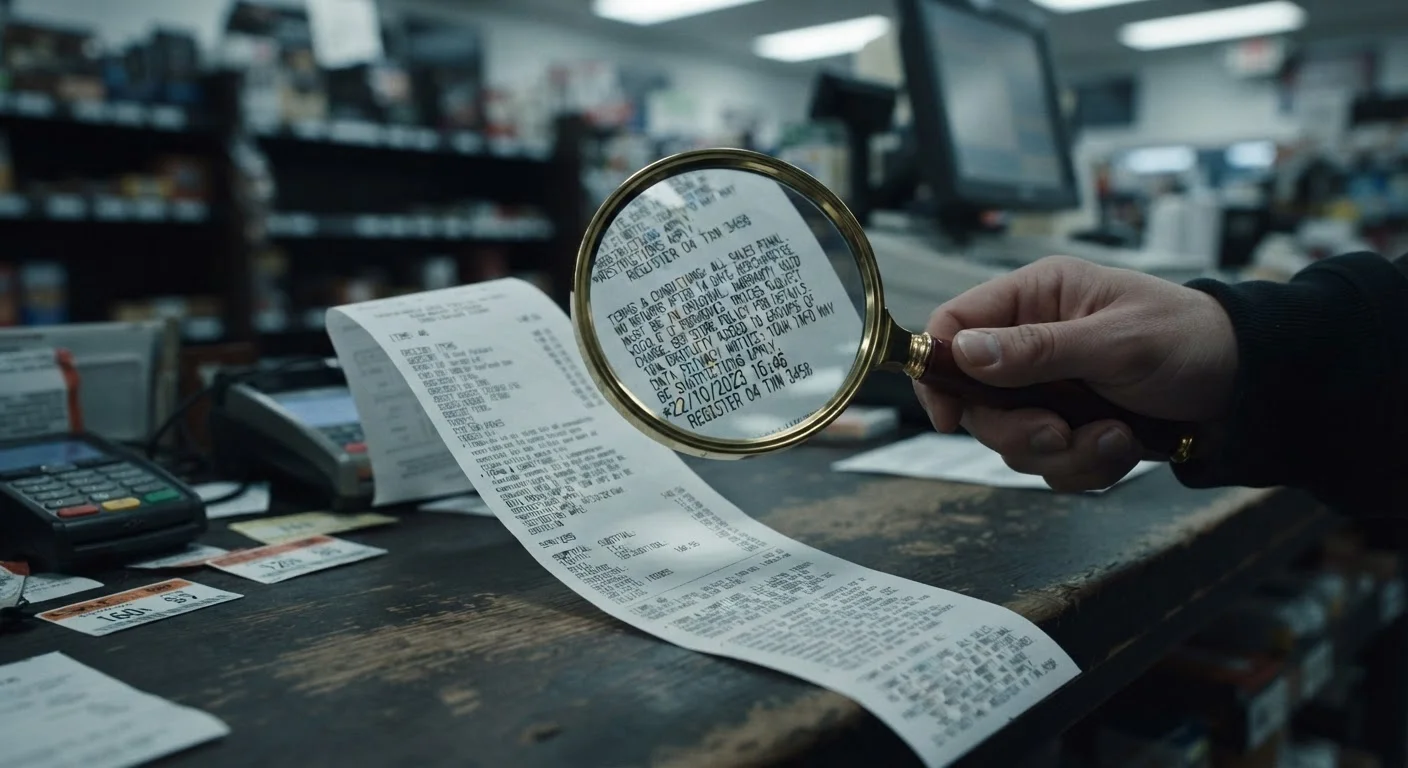
Photo: QuickAdvisor.net editorial
Key Takeaways
- Return windows can be as short as 14 days, far less than the 30 days most shoppers assume.
- Restocking fees of 10-25% of purchase price can make returning an item financially painful.
- 'Final sale' and 'as-is' tags legally remove your right to return in most U.S. states.
- Online and in-store return rules often differ, even at the same retailer.
- Reading the return policy before purchase - not after - is the only reliable protection.
Why Return Policies Catch Shoppers Off Guard
Most shoppers treat a return policy as a safety net they'll never need to use - until they do. By then, the fine print that seemed irrelevant during checkout has become the entire problem. Return policies in the U.S. are not standardized by federal law; retailers set their own terms, and those terms can vary dramatically. Understanding the structure of these policies before purchase is the difference between a smooth return and an expensive lesson.
For a broader look at how retailers shape purchase decisions, see the common myths about store return policies that tend to work against shoppers. And if you want a grounding in the legal vocabulary involved, the consumer protection terms every shopper should recognize is worth reviewing before a major purchase.
Assuming a 30-day return window is standard across all retailers.
Overlooking restocking fees that can eat 10-25% of the purchase price.
Purchasing 'final sale' or 'as-is' items without understanding those terms are legally binding in most U.S. states.
Assuming the online return policy and the in-store return policy are identical.
Removing product packaging before the return window has passed.
Red Flags to Verify Before You Buy
Once you know what these traps look like, you can screen for them in about two minutes before finalizing any purchase. Look specifically for restocking fee language, category exclusions, and whether the online and in-store policies align - they often don't.
14-30 days
Typical retailer return windows in the U.S.
Return windows vary significantly by retailer and product category, with no federal minimum required by law.
Up to 25%
Maximum common restocking fee as share of purchase price
Restocking fees are most frequently applied to electronics, appliances, and opened software or media products.
Pay special attention to how the retailer defines the return window start date. Some count from the order date; others count from delivery. For electronics and appliances, also check whether the manufacturer's warranty process is separate from the store's return process - accepting a replacement during a warranty claim can sometimes reset or waive your return rights. The exceptions buried in return policies covers category-specific carve-outs in more detail.
If something arrives damaged or doesn't show up at all, return policy terms interact with your rights as a buyer in ways that aren't always obvious. The your rights when an order arrives damaged or never shows outlines what options remain with the seller, the carrier, and your card issuer. For broader frameworks on avoiding expensive purchase mistakes, the Smarter Spending hub is a practical starting point.
Gift Receipts Don't Always Equal Full Refund Rights
The content on this site is for informational purposes only and is not a substitute for professional advice. Always consult a qualified professional for guidance specific to your situation.