
Recreational Sports for Adults Who Stopped Playing in Their Twenties

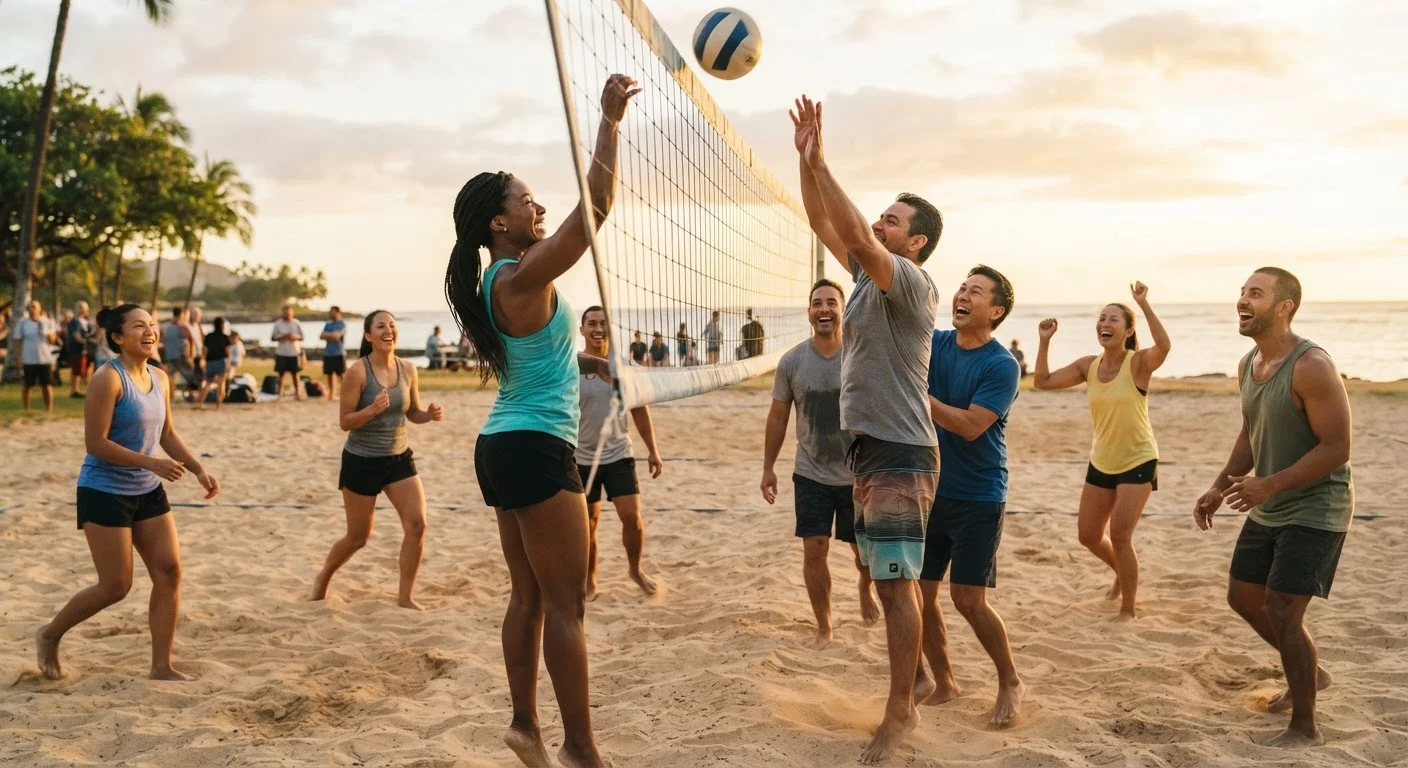
Photo: QuickAdvisor.net editorial
Key Takeaways
- Adult recreational leagues exist for nearly every sport and welcome complete beginners.
- Matching a sport to your schedule and physical baseline dramatically improves stick-to-it-iveness.
- A gradual return reduces injury risk - the biggest barrier for adults re-entering sport.
- Social connection is one of the strongest predictors of long-term athletic participation.
- You don't need to regain peak fitness before showing up - leagues are designed for that progression.
Why Adults Stop Playing - and Why It's Worth Starting Again
Most adults don't make a conscious decision to stop playing sports. It happens incrementally - a job change, a move, a new relationship, kids, or a minor injury that never fully got addressed. Before long, a decade has passed. Understanding this pattern matters because it removes the self-blame that keeps many people from re-entering. You didn't fail at fitness; life reorganized your priorities.
The case for returning is strong. Structured, playful movement - the kind that comes with sport rather than a solitary gym routine - is consistently associated with better mental health outcomes, stronger social ties, and higher long-term adherence to physical activity. If you want to understand the broader forces behind this drift, our piece on why people abandon active lifestyles explores the patterns in depth.
Give Yourself Permission to Be a Beginner Again
Choosing the Right Sport for Your Current Life
The single biggest predictor of whether you'll stick with recreational sport is fit - not physical fitness, but how well the activity fits your actual schedule, budget, physical baseline, and social preferences. A sport that requires eight players and a dedicated field on Saturday mornings is a different commitment than a twice-weekly pickleball session at your local rec center.
Recreational league
An organized, non-professional sports competition for adults of varying skill levels, typically run by a city, community center, or private organizer. The emphasis is on participation rather than elite performance.
Dynamic warm-up
A pre-activity routine using controlled, moving stretches and exercises - like leg swings or high knees - that gradually increase blood flow and prepare joints for sport-specific movement.
Connective tissue
Tendons and ligaments that connect muscles to bones and stabilize joints. Connective tissue adapts to load more slowly than muscle, making it a common site of injury when activity ramps up too quickly.
Adherence
The degree to which a person continues with a planned activity or behavior over time. High adherence means consistently showing up; low adherence means dropping off.
Impact level
A general measure of how much force an activity places on the body's joints with each movement. Running is high-impact; swimming and cycling are generally considered low-impact.
A few questions to help narrow your options:
- Injury history: Old knee or shoulder issues deserve honest consideration. Lower-impact sports like swimming, cycling, or pickleball place less stress on common problem areas.
- Solo vs. team: Some people return to sport for the social element; others prefer individual control over their schedule. Tennis, running clubs, and cycling groups offer middle-ground options.
- Time commitment: League seasons typically run 8-12 weeks with one or two games per week. Consider practice expectations too, not just game days.
- Cost: Equipment, league fees, and facility access vary widely. Municipal leagues are typically the most affordable entry point.
If you're looking for activity ideas across different seasons and climates, the year-round outdoor recreation planner is a useful companion resource.
How to Find Adult Recreational Leagues Near You
The infrastructure for adult recreational sport is more robust than most people realize. Here are the most reliable starting points:
- City parks and recreation departments: Most municipalities run adult leagues in softball, soccer, basketball, volleyball, and flag football. These are typically skill-divided and low-cost.
- YMCA and community centers: Many branches offer drop-in sport sessions and structured leagues with built-in beginner divisions.
- Meetup and Facebook Groups: Search your city name plus the sport - you'll often find informal pickup games that are welcoming to newcomers.
- Dedicated platforms: Services like ZogSports, Volo, and local sport-specific clubs (soccer associations, tennis clubs) organize adult leagues in major metro areas.
- Workplace programs: Some employers or professional organizations run intramural leagues - worth checking if this applies to you.
When evaluating a league, look for explicit skill-level designations (beginner, recreational, intermediate) rather than assuming all adult leagues share the same competitive intensity.
Skill Divisions Vary Widely by League
Easing Back In Without Getting Hurt
Injury is the most common reason returning adults drop out again - and most of those injuries are preventable. The core problem is that the competitive drive stored in memory outruns the physical capacity that's been dormant. Your brain remembers sprinting; your Achilles tendon does not.
Practical steps to reduce early injury risk:
- Build a base first: Spend two to four weeks walking, light jogging, or doing bodyweight movement before your first game. This prepares connective tissue for sport-specific loads.
- Warm up deliberately: Dynamic warm-ups - leg swings, lateral shuffles, arm circles - are more effective pre-sport than static stretching. Save static holds for after.
- Accept reduced intensity early: Play at 70-80% of your perceived maximum for the first few sessions. The competitive urge to go all-out is worth resisting initially.
- Prioritize recovery: Sleep, hydration, and rest days matter more for returning adults than for younger athletes, whose recovery capacity is higher.
For broader guidance on building fitness progressively, see training approaches that work across fitness levels. If fitness culture itself feels daunting, Starting From Zero offers a useful entry point.
This article is for general informational purposes only and is not a substitute for professional medical advice. If you have existing health conditions or concerns about returning to physical activity, consult a qualified healthcare provider before beginning.
Making It Stick This Time
Returning to sport once is straightforward. Making it a durable part of your adult life requires a slightly different strategy than the one that worked at 22.
Research on long-term exercise adherence consistently highlights a few levers that matter most for adults:
- Social accountability: Joining a team - rather than committing to solo training - means other people are expecting you to show up. This social contract is one of the most effective adherence tools available.
- Identity over outcomes: Framing yourself as "someone who plays soccer on Thursdays" rather than "someone trying to get fit" builds a more durable motivation structure. Outcome goals (lose weight, get faster) tend to fade; identity-based habits tend to persist.
- Managing the off-season: Leagues have seasons. Having a plan for what you'll do when the season ends - even light cross-training or a different sport - prevents the gap from becoming permanent again.
- Lowering the barrier to entry each week: Keep your gear bag packed, confirm game times in advance, and coordinate logistics with teammates. Friction reduction is underrated.
The goal isn't to recapture who you were at 24. It's to build an active life that fits who you are now - with more patience, better self-awareness, and frankly more to gain from showing up.
Frequently Asked Questions
The content on this site is for informational purposes only and is not a substitute for professional advice. Always consult a qualified professional for guidance specific to your situation.