
Outdoor Recreation in Every Season: A Year-Round Activity Planner

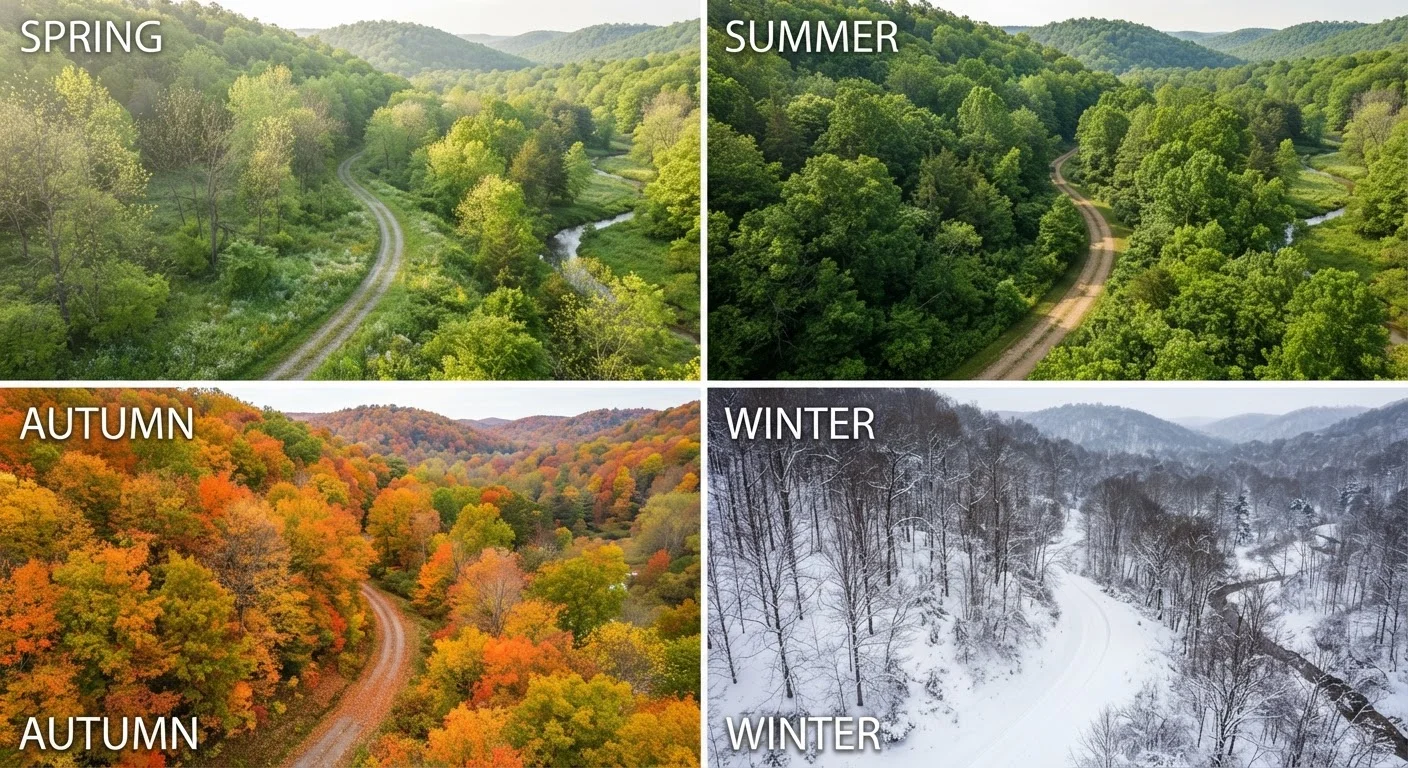
Photo: QuickAdvisor.net editorial
Why Year-Round Outdoor Activity Matters
Staying active outside isn't just a warm-weather habit - research consistently links regular outdoor movement to improved cardiovascular health, mood regulation, and stress reduction. The challenge most people face isn't motivation; it's knowing what to do as the calendar shifts.
This guide breaks outdoor recreation into seasonal windows, maps activities to common U.S. climate types, and gives you a practical framework for keeping movement integrated into daily life all year long. Whether you're re-entering recreational sports as an adult or simply looking for fresh ideas, the outdoors offers more than most people realize once you look past the obvious options.
Season-by-Season Activity Planner
Spring
Spring is arguably the most versatile season for outdoor activity. Temperatures are moderate in most regions, trail surfaces are recovering, and daylight is expanding. Strong activity options include hiking, cycling, birdwatching, kayaking, and recreational team sports on grass fields. In wetter climates, opt for paved surfaces early in the season and check trail conditions before heading into forested or muddy terrain.
Summer
Heat is the primary management challenge. Morning and evening hours are your best windows for running, cycling, and hiking in most of the continental U.S. Swimming, paddleboarding, and open-water kayaking are natural fits. Coastal and lake regions offer wind sports like kiteboarding and sailing. Before any outdoor excursion, review the practical readiness checklist - hydration and sun protection are non-negotiable in peak summer conditions.
Fall
Fall is peak season for trail running, hiking, and cycling across much of the country. Cooler temperatures allow for higher-intensity effort with lower heat stress, and foliage in many regions makes the experience particularly rewarding. Regions like New England see dramatic seasonal shifts that transform familiar landscapes entirely. Hunting seasons begin in many states during fall - wear high-visibility colors when venturing into rural or forested areas.
Winter
Winter separates opportunity-minded outdoor enthusiasts from those who retreat indoors entirely. Snowshoeing, cross-country skiing, and cold-weather hiking are accessible to most adults with basic gear. Even in mild-winter climates, cooler temperatures make walking, cycling, and outdoor group exercise more comfortable than the summer peak. Layer appropriately, watch for icy surfaces, and recognize that cold-weather activity demands additional warm-up time for joints and muscles.
Planning for Travel and Regional Variety
If your local climate limits certain activities seasonally, traveling to a different region can extend your active calendar significantly. Desert Southwest winters are ideal for hiking that would be impractical in July. Great Lakes summers offer water sports and trail running during months when southern states are dangerously hot.
Understanding the trade-offs between peak and off-season travel can help you time trips to align with both favorable conditions and manageable crowds. For road-based outdoor adventures, ensure your vehicle is ready - seasonal car care is a practical step often overlooked before outdoor travel.
This article is for general informational and educational purposes only. It is not a substitute for professional medical advice. If you have an existing health condition, injury, or concern about beginning or changing a physical activity routine, consult a qualified healthcare professional before proceeding.
The content on this site is for informational purposes only and is not a substitute for professional advice. Always consult a qualified professional for guidance specific to your situation.