
Fitness & Training

Before Your First Day at the Gym: A Practical Readiness Checklist

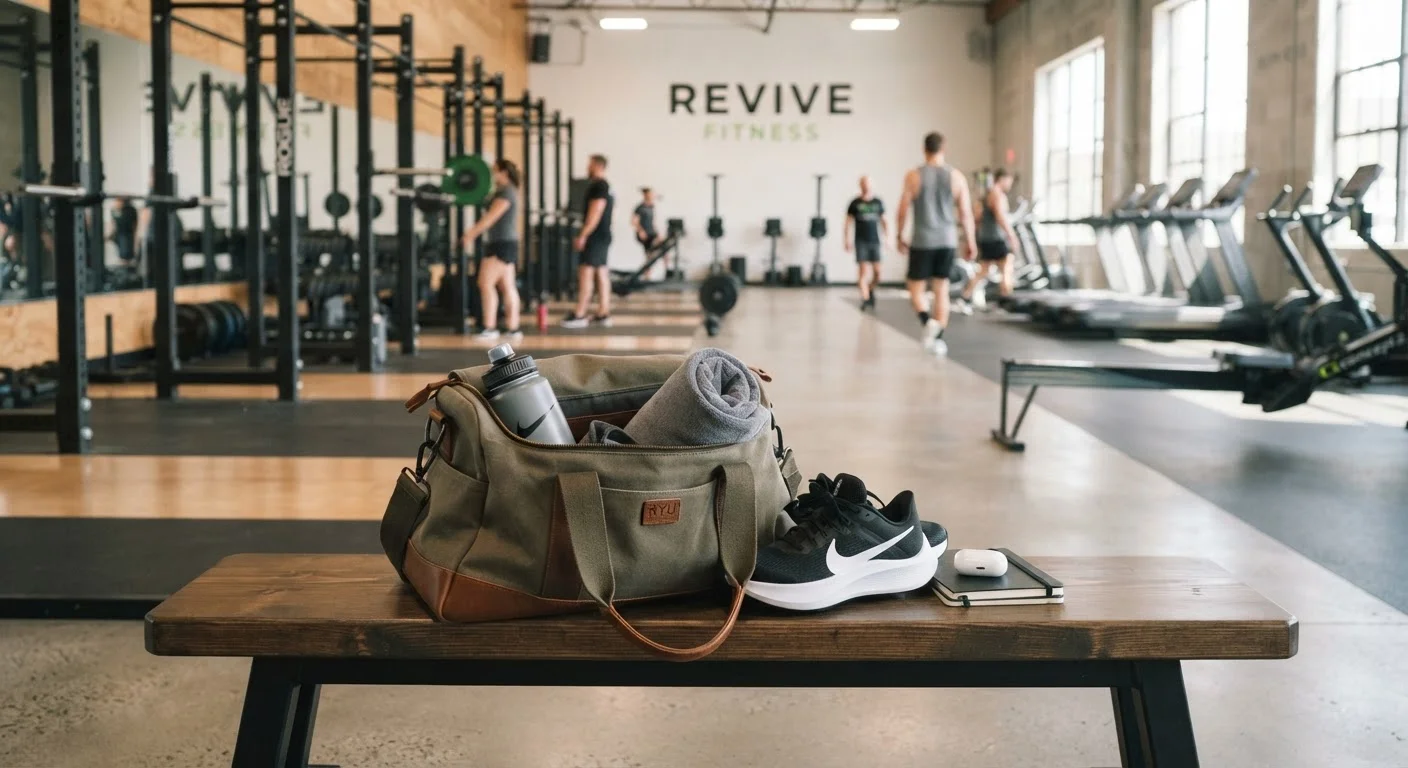
Before Your First Day at the Gym: A Practical Readiness Checklist

Photo: QuickAdvisor.net editorial

Walking into a gym for the first time is easier when you're prepared. Run through this checklist to feel confident before your workout begins.

Key Takeaways

  • Checking in with a doctor before starting a new gym routine is important for anyone with existing health conditions.
  • Wearing appropriate footwear and clothing significantly reduces injury risk on your first visit.
  • Understanding a gym's basic layout and policies before you arrive removes guesswork and anxiety.
  • A simple, short workout plan for day one sets realistic expectations and builds momentum.
  • Hydration and a light pre-workout snack meaningfully affect your energy and focus during exercise.

Why Preparation Makes Your First Gym Visit Easier

Walking into a gym for the first time can feel overwhelming. The equipment is unfamiliar, the culture has its own unspoken norms, and it's easy to feel like everyone else already knows what they're doing. The truth is, most gym regulars were beginners once — and the ones who stuck with it usually came prepared.

This checklist is designed to remove as much of that uncertainty as possible before you step through the door. Whether you're returning to fitness after a long break or starting from scratch, running through these items puts you in control of the experience. If you're still figuring out where a gym fits into a broader activity plan, our guide on getting active when fitness feels overwhelming is a good place to start.

Health & Safety Checks

Consult your doctor or a qualified healthcare provider before starting if you have any chronic conditions, recent injuries, or cardiovascular concerns. Must
Note any physical limitations or pain points so you can communicate them to gym staff or a trainer on your first visit. Must
Review basic signs of overexertion — such as dizziness, chest tightness, or unusual shortness of breath — so you know when to stop. Must

Gear & Clothing

Wear athletic shoes designed for your planned activity — running shoes for cardio, cross-trainers for weight work — to support your feet and reduce injury risk. Must
Pack moisture-wicking clothing that allows a full range of motion and won't restrict movement during exercises. Must
Bring a clean towel to wipe down equipment before and after use, as most gyms require this. Must
Bring a full water bottle — at least 20 oz — to stay hydrated throughout your session. Must
Consider packing a small combination lock if the gym offers lockers, so you can secure your belongings. Should
Bring headphones if music or audio helps you focus, but stay aware of your surroundings when using them. Nice to have

Gym Logistics

Locate the gym's locker rooms, restrooms, and emergency exits before you start your workout. Must
Read the facility's posted rules around equipment use, time limits during peak hours, and hygiene expectations. Must
Ask staff for a brief orientation or equipment walkthrough if the gym offers one — most facilities are happy to help first-timers. Should
Identify where sanitizing wipes or spray bottles are located so you can clean equipment promptly after use. Must

Your First Workout Plan

Plan a short, low-intensity session of 20–30 minutes focused on movement familiarity rather than maximum effort. Must
Choose two or three exercises you already understand or have researched in advance rather than improvising with unfamiliar equipment. Should
Build in a five-minute warm-up — such as light walking or dynamic stretching — to prepare your joints and raise your heart rate gradually. Must
End your session with a five-minute cool-down and light static stretching to support recovery. Should
Write down what you did, how it felt, and what you want to try next time — even a few notes help build momentum. Nice to have

Pre-Workout Nutrition & Timing

Eat a light, balanced snack containing some carbohydrates and protein 60–90 minutes before your session to fuel your workout without discomfort. Should
Avoid heavy meals within two hours of your gym session to prevent sluggishness or stomach discomfort during exercise. Should
Drink water consistently in the hours leading up to your workout rather than trying to hydrate all at once beforehand. Must

What to Bring, Know, and Expect

Being physically present at the gym is only half the equation. Knowing what to pack, how the facility works, and what a reasonable first session looks like will help you spend your time actually training rather than figuring out logistics on the fly.

Required

Athletic footwear

Provides support and stability specific to the type of exercise you plan to do.

Required

Reusable water bottle

Keeps you hydrated throughout the session without needing to use disposable cups.

Required

Gym towel

Required by most gyms for wiping down shared equipment and personal use.

Optional

Small combination lock

Secures your personal items in a locker while you work out.

Optional

Workout journal or notes app

Lets you log exercises, sets, and observations to track progress from day one.

Optional

Wireless headphones

Provides audio motivation during your workout without tangled cords on equipment.

If some of the terminology on machines or in fitness guides is new to you, our beginner's glossary of fitness terms breaks down the language you'll encounter so you can follow instructions with confidence.

Stop and Seek Help if Something Feels Wrong

If you experience chest pain, pressure, severe shortness of breath, dizziness, or sudden pain during exercise, stop immediately and notify gym staff. Do not push through these symptoms. These can be signs of a medical emergency, and you should contact emergency services if symptoms persist or worsen. This checklist is general information — it does not replace guidance from a qualified healthcare professional.

Once your first session is behind you, the next challenge is consistency. Our workout consistency checklist covers the foundational habits worth building before you start ramping up intensity.

This article is for general informational and educational purposes only. It is not a substitute for professional medical advice, diagnosis, or treatment. If you have any health concerns or underlying conditions, consult a qualified healthcare provider before beginning any new exercise program.

Sports & Fitness Editorial Team

QuickAdvisor.net

Sports & Fitness Editorial Team is the collective byline for our editorial team and contributor network. Articles published under this byline or an editorial pen name are researched, written, and reviewed according to our editorial standards for clarity, consistency, and independence before publication.

Sports BasicsFitness & TrainingActive Lifestyle
View author profile

The content on this site is for informational purposes only and is not a substitute for professional advice. Always consult a qualified professional for guidance specific to your situation.