
Street Food Safety Abroad: Separating Myth from Reality

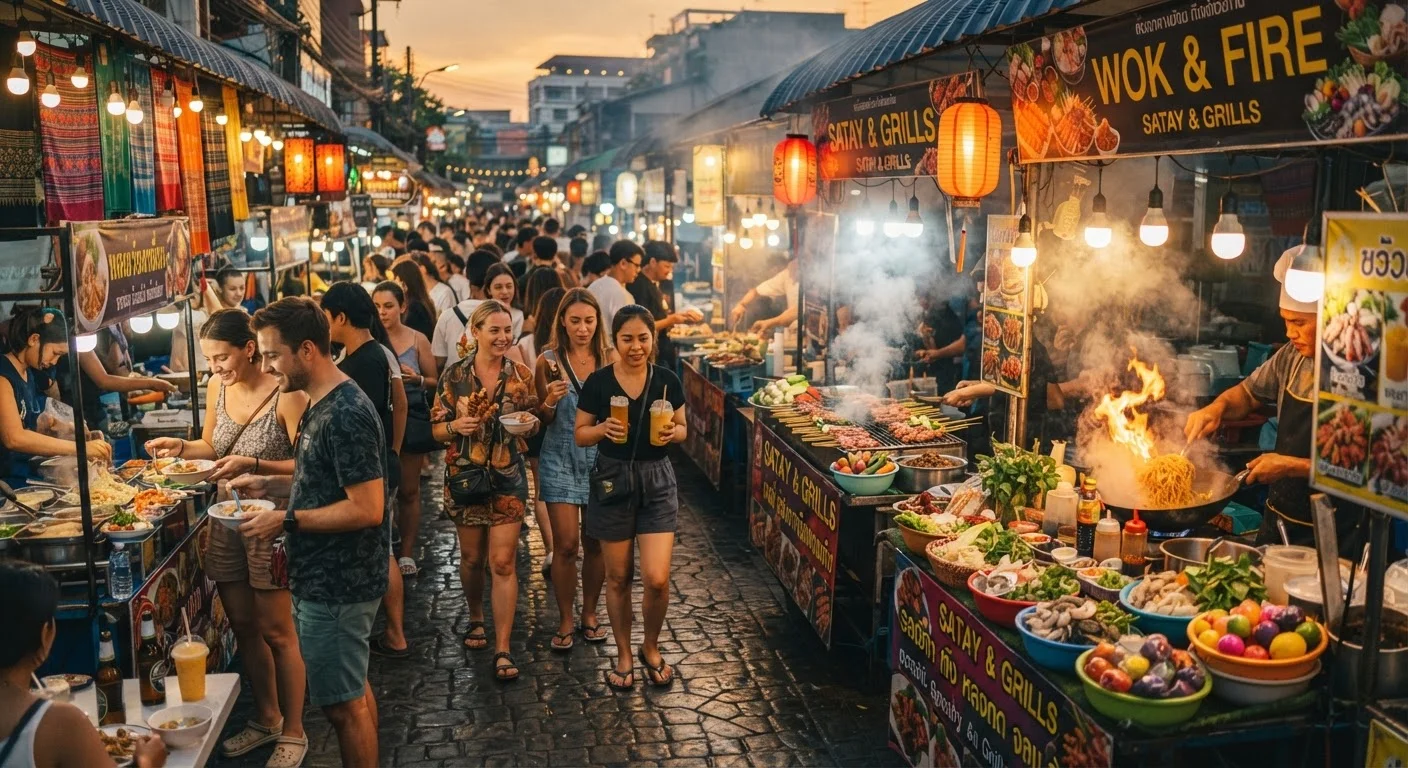
Photo: QuickAdvisor.net editorial
Key Takeaways
- Street food isn't inherently riskier than restaurant food - vendor practices matter more than the setting.
- High turnover at busy stalls means fresher ingredients and less time for bacteria to develop.
- Observation is your best food safety tool: watch for heat, cleanliness, and crowd size.
- Western travelers' digestive discomfort abroad is often caused by unfamiliar ingredients, not contamination.
- Blanket avoidance of street food can lead to bland, overpriced meals and missed cultural connections.
Why Street Food Fear Persists - And Why It's Mostly Misplaced
For many American travelers, the mental image of street food abroad comes loaded with anxiety: dodgy hygiene, mysterious meats, and an inevitable date with digestive misery. These fears are understandable - but they're also largely shaped by myth rather than evidence. The reality is that street food vendors around the world feed millions of people safely every single day, often operating under social and economic pressures that demand consistent quality.
The stakes for a street vendor are intensely personal. Unlike a large restaurant with layers of management, a solo vendor's livelihood depends entirely on repeat customers and community reputation. A bad batch of food doesn't just mean a negative online review - it can end a business that took years to build. That accountability is a powerful motivator for maintaining standards.
That's not to say risks don't exist. They do, and smart observation goes a long way. But the starting assumption that street food is dangerous, while restaurant food is safe, doesn't hold up to scrutiny. Understanding why requires busting some of the most stubborn myths travelers carry with them.
Myth
Street food is far more likely to make you sick than eating at a restaurant.
Fact
Food safety depends on preparation practices, not the physical setting. Many restaurants and street stalls carry comparable risks.
Research on foodborne illness consistently shows that contamination events happen across all food-service environments - from five-star kitchens to humble carts. The US Centers for Disease Control and Prevention notes that most foodborne illness outbreaks involve multiple steps in the food chain, not just the final point of service. A street vendor cooking meat directly over high heat and serving it immediately may actually present lower risk than a restaurant kitchen where food is prepared hours in advance and held at variable temperatures.
Myth
If you can't see a kitchen, the food can't be properly prepared or safe.
Fact
Open-air cooking, done correctly, is often more transparent and verifiable than anything happening behind a restaurant's closed kitchen doors.
One of the genuine advantages of street food is visibility. You can watch the entire cooking process unfold: how hot the oil is, how thoroughly the protein is cooked, whether the vendor washes hands between tasks. Most restaurant kitchens are completely hidden from diners. Street food flips that dynamic, giving you direct evidence of preparation standards rather than requiring blind trust in an establishment's internal processes.
Myth
Busy tourist areas have the safest street food because they're more regulated.
Fact
High-tourist-traffic areas sometimes have lower food quality standards, not higher, because transient customer bases reduce accountability.
Vendors catering primarily to tourists who will never return have less incentive to maintain quality than vendors embedded in local neighborhoods serving the same customers daily. This doesn't mean tourist-area food is always unsafe, but it does mean crowd composition - not location prestige - is a better guide. Seek stalls where locals outnumber tourists. Those vendors are accountable to their community in a way that tourist-strip operations simply aren't.
Myth
Raw fruits and vegetables from street vendors are always too risky to eat abroad.
Fact
Raw produce carries real risks in some contexts, but blanket avoidance ignores important variables like water source, washing practices, and fruit type.
The "peel it or skip it" guideline has genuine merit in destinations where tap water is unsafe for consumption, since produce washed in that water can transfer pathogens. But this applies equally to restaurant salads. Whole fruits you peel yourself - mangoes, bananas, citrus - bypass that concern entirely. Freshly cut fruit at a reputable stall operating in a destination with treated water supply carries far less risk than the guideline suggests. Context and observation, not blanket rules, should guide your choices.
Myth
Getting sick abroad proves the street food was contaminated.
Fact
Digestive discomfort during travel has many causes unrelated to contamination, including dietary change, travel stress, and unfamiliar microbiomes.
Traveler's diarrhea is common, but its causes are varied. Changes in diet, exposure to different strains of otherwise harmless bacteria, altered sleep schedules, dehydration, and stress all affect digestion independently of food safety. Many travelers who blame a street food meal for their discomfort may actually be responding to a new cuisine's spice profile or fat content, or to general travel-related physiological disruption. True foodborne illness typically presents with specific, acute symptoms. Conflating ordinary digestive adjustment with contamination unfairly stigmatizes an entire category of food and culture. For a broader look at how myths persist in food culture, see our piece on common cooking myths.
Practical Principles for Eating Confidently Abroad
Once you've shed the reflexive fear, a few reliable habits make eating street food a genuinely low-risk pleasure. Heat is your best friend - foods cooked to order on high flames and served immediately are safer than pre-cooked items sitting at room temperature. Look for vendors who cook in front of you, handle money separately from food, and keep raw and cooked ingredients apart.
Crowd size is an underrated signal. A stall packed with locals at lunchtime has almost certainly earned that trust through consistently safe, good food. Conversely, a quiet stall in a high-tourist area warrants more scrutiny. Locals rarely subject themselves to bad hygiene for the sake of a photo opportunity.
Know the Signs of Actual Foodborne Illness
Digestive adjustment is also worth separating from actual foodborne illness. Travelers often mistake the discomfort of encountering new spice levels, unfamiliar oils, or different gut-flora balances for food poisoning. Genuine foodborne illness typically involves fever, severe cramping, and vomiting within hours of eating - not just a rumbling stomach the next morning. For practical context on how food intersects with culture and travel, exploring food as a cultural lens can transform how you approach every meal abroad.
The payoff for letting go of unfounded street food fear is enormous. You eat fresher, more authentic food, spend a fraction of the cost, and share a genuinely human moment with the people who make a destination what it is. That's not a risk - that's the whole point of travel.
This article is for general informational purposes only. Travelers with specific health conditions, dietary restrictions, or concerns about food safety should consult a qualified healthcare professional before traveling.
The content on this site is for informational purposes only and is not a substitute for professional advice. Always consult a qualified professional for guidance specific to your situation.