
Eating Well on the Road: How Food Becomes the Lens for Culture

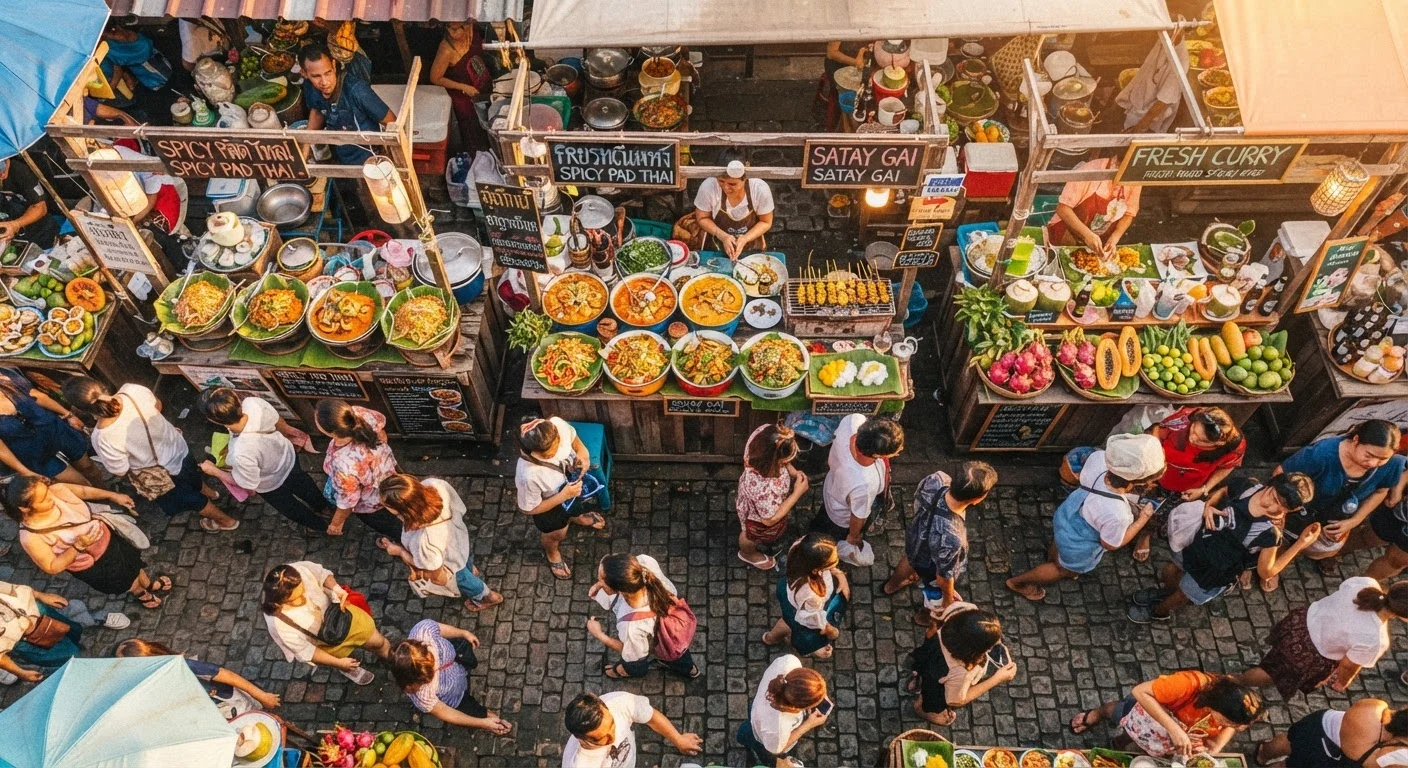
Photo: QuickAdvisor.net editorial
Key Takeaways
- Local food encodes history, geography, migration, and identity in ways no museum exhibit can fully replicate.
- Markets, home kitchens, and street stalls often reveal more about daily life than landmark tourist sites.
- Approaching meals with curiosity - asking questions, learning names - signals respect and opens real conversation.
- Food experiences are most meaningful when travelers engage with context, not just flavor.
- Culinary travel is accessible at any budget level; authenticity is about attention, not price.
Why Food Is the Fastest Route to Cultural Understanding
Every culture organizes itself partly around what it eats. Ingredients reflect geography and climate. Preparation methods carry centuries of adaptation and migration. Mealtime rituals encode social values - who eats first, how much silence or conversation is expected, whether food is shared from communal dishes or served individually. A single meal, approached with genuine curiosity, can teach a traveler more about a place than an entire afternoon at a famous monument.
This isn't romantic exaggeration. Food is one of the most immediate, sensory, and democratic forms of cultural exchange available to travelers. You don't need a translator to sit beside a vendor at a morning market, point at something unfamiliar, and accept a sample. That small act of openness is the beginning of real cultural contact. It pairs well with the broader habit of reading a city like a local - noticing rhythms and rituals that residents take for granted.
“Food is not just eating energy. It's an experience. The cultures, the history, the places - food is the ingredient that binds them all together.”
— Guy Fieri, American restaurateur and television food personality
What's Actually on the Plate: History, Migration, and Geography
The ingredients in a regional dish rarely arrived by accident. Spice trade routes, colonial history, immigration waves, and agricultural conditions all leave fingerprints in a cuisine. Understanding even a little of that backstory transforms a meal from fuel into a form of living history. A bowl of curry in a coastal city might carry traces of centuries of maritime commerce. A corn-based dish in the American Southwest reflects Indigenous agricultural knowledge that predates European contact by thousands of years - a topic explored in depth in our look at Indigenous food traditions in North America.
Migration, in particular, is one of the most powerful forces shaping what any community eats. Dishes that carried culture across borders tell stories of displacement, adaptation, and resilience. When you eat something that arrived in a new country inside a migrant's memory and recipe, you're tasting history in the most literal sense possible.
1 in 3
Travelers who say food is a trip planning factor
World Food Travel Association surveys have consistently found that a significant share of travelers factor culinary experiences into destination and itinerary decisions.
Over 300
UNESCO-recognized intangible food heritages
UNESCO's list of Intangible Cultural Heritage includes more than 300 food traditions, practices, and rituals, reflecting the global recognition of cuisine as a core component of cultural identity.
70%+
Of cultural knowledge embedded in oral and practical tradition
Anthropologists note that a substantial portion of cultural knowledge - including food preparation - is transmitted through practice and lived experience rather than written records, making direct participation especially valuable.
Where to Eat for Maximum Cultural Depth
Tourist-facing restaurants aren't inherently bad, but they're rarely where a food culture reveals itself most honestly. Public markets, neighborhood lunch counters, family-run stalls, and food prepared for religious festivals all offer something closer to daily reality. These are the spaces where locals actually eat, argue about recipes, and pass down technique.
Markets deserve special mention. A covered food market isn't just a place to buy produce - it's a social institution. The vendors who've held the same stall for decades know their neighborhood's seasonal rhythms, preferred flavor profiles, and culinary lore. Asking a vendor what they'd cook with a particular ingredient, or how a dish is traditionally eaten at home versus at a restaurant, opens conversations that no guidebook can replicate.
If you're drawn to deeper immersion, immersive travel experiences worth planning around - like community cooking classes or farm visits - can build on those market conversations and give context that passive sightseeing rarely provides.
Eating Respectfully: Curiosity Over Judgment
The traveler's greatest obstacle to genuine food experiences isn't unfamiliar flavor - it's the habit of judging what's in the bowl by what's familiar at home. A dish that seems extreme or unappetizing by one culture's standards may be deeply ordinary, even ceremonial, in another. Approaching food with genuine curiosity rather than evaluation keeps those doors open.
Respecting local eating customs - whether that means eating with your hands, accepting a dish you didn't choose, or sitting on a floor mat rather than a chair - signals that you're a thoughtful guest rather than a passive consumer. It's also worth being honest with yourself about your own food culture's assumptions. Words like 'authentic' get applied to cuisines constantly, but as our piece on what it actually means for a food to be authentic explores, the concept is far more slippery than it appears.
Ask One Question Per Meal
For travelers interested in the social weight food carries beyond the plate, the language of food and what it signals about class and identity offers a useful lens for understanding why certain cuisines get elevated while others are overlooked - a dynamic that shows up sharply when traveling across economic and cultural lines.
Frequently Asked Questions
The content on this site is for informational purposes only and is not a substitute for professional advice. Always consult a qualified professional for guidance specific to your situation.