
Packing Myths That Keep Travelers Dragging Oversized Luggage

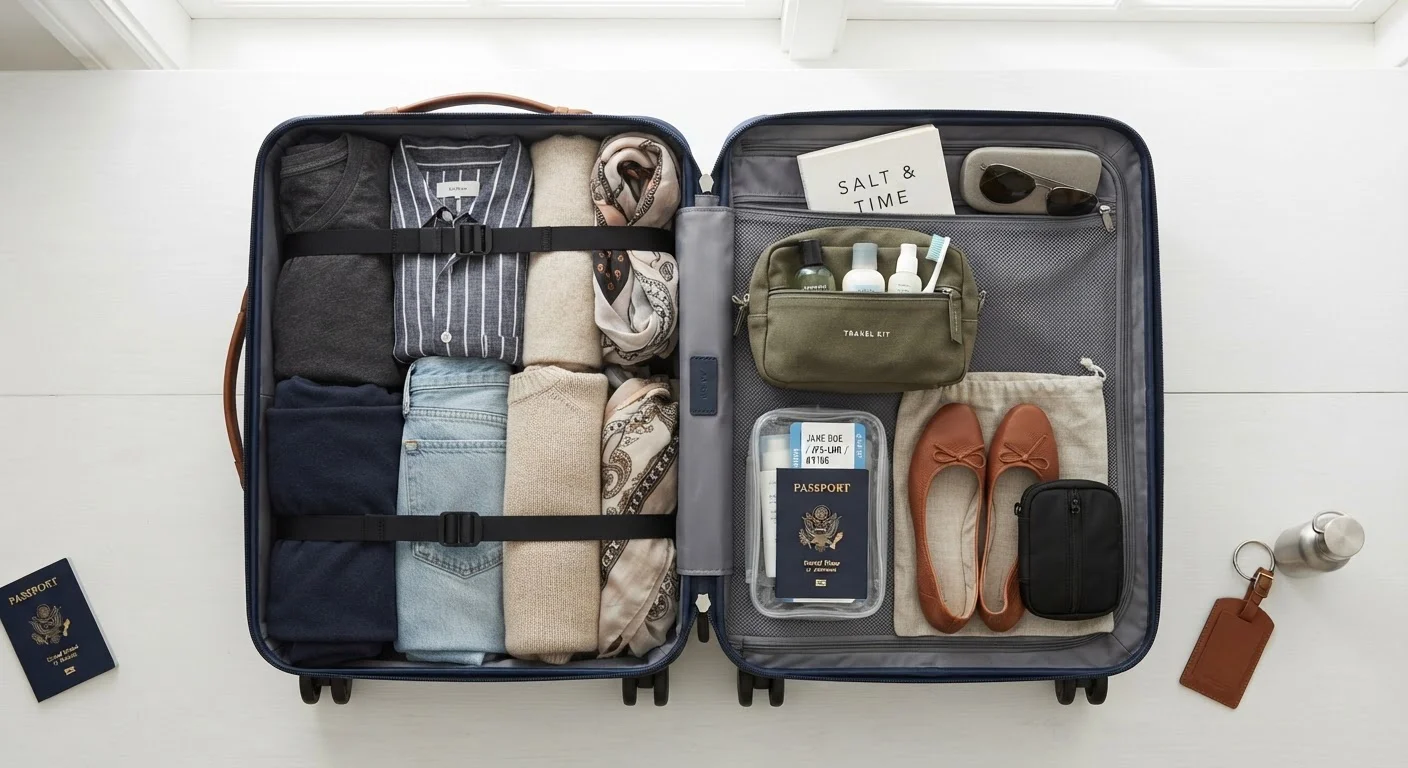
Photo: QuickAdvisor.net editorial
Key Takeaways
- Rolling clothes saves more space than folding and reduces wrinkles significantly.
- Most experienced travelers never check a bag - a carry-on handles trips of any length.
- Packing 'just in case' items is the single biggest driver of oversized, overweight luggage.
- Laundry options exist almost everywhere, making multiple outfit duplicates unnecessary.
- Airline baggage rules vary widely - always verify before you fly, not at the counter.
Why Packing Myths Are So Hard to Shake
Packing advice travels fast - from well-meaning family members, from years of personal habit, and from a cultural instinct that more stuff equals more readiness. The problem is that most common packing beliefs were never tested against reality. They feel intuitive, so they stick, even when they quietly cost travelers money, mobility, and peace of mind on every single trip.
The myths below aren't edge cases. They're the beliefs that send millions of travelers to the airport lugging overstuffed bags they'll wrestle through every transfer, every taxi, and every narrow hotel hallway. Clearing them up won't just lighten your load - it'll genuinely change how travel feels.
Myth
You need a separate outfit for every single day of the trip.
Fact
A versatile capsule wardrobe of mix-and-match pieces covers most trips with far fewer items.
The one-outfit-per-day rule sounds logical until you realize most destinations have laundry facilities - whether that's a hotel guest laundry, a neighborhood laundromat, or a quick hand-wash in the sink. Experienced travelers rely on neutral-colored, wrinkle-resistant basics that layer and mix freely. Four or five bottoms and six tops can generate dozens of combinations, covering a two-week trip without a second checked bag in sight.
Myth
Checking a bag is unavoidable for trips longer than a week.
Fact
Many seasoned travelers complete two- and three-week trips using only a carry-on, using laundry services along the way.
The mental barrier here is real, but the logistical one isn't. Rolling clothes instead of folding them compresses volume significantly. Packing cubes add structure and help you stay organized without adding bulk. The payoff goes beyond convenience - skipping checked luggage means no wait at baggage claim, no risk of a lost bag ruining the first days of your trip, and faster transitions between destinations. That's a meaningful upgrade to the entire travel experience, as explored in our guide on making the most of every destination.
Myth
Packing extra 'just in case' items is smart preparation.
Fact
'Just in case' packing is the leading cause of overstuffed bags - and most of those items never leave the suitcase.
That second pair of dress shoes, the bulky rain jacket for a forecast that shows sun all week, the four books for a five-day trip - these are packing anxiety in physical form. A practical alternative: ask yourself whether you could buy or borrow the item at your destination if you truly needed it. For most non-specialty items, the answer is yes. Packing light isn't about suffering - it's about trusting that the world outside your front door is reasonably well stocked.
Myth
Full-size toiletries are worth carrying because travel sizes run out.
Fact
TSA's 3-1-1 liquid rule limits carry-on liquids to 3.4 oz containers, and most destinations sell toiletries locally.
Full-size shampoo, conditioner, and body wash can easily consume a pound or more of your weight allowance before you've packed a single item of clothing. Travel-size containers last longer than most people expect for short and medium trips. For longer stays, purchasing toiletries at a local pharmacy or grocery store is often cheaper than checked bag fees - and it's a genuinely easy errand at almost any destination worldwide.
Myth
All airlines have the same baggage size and weight limits.
Fact
Baggage policies differ significantly between carriers, and even between fare classes on the same airline.
Budget carriers often impose stricter - and smaller - carry-on dimensions than major legacy airlines. International flights sometimes have different weight limits than domestic legs of the same itinerary. Assuming your bag is fine because it passed last time is a gamble that can result in gate-check fees or forced repacking at the counter. The only reliable approach is to look up the specific policy for every airline you're flying, every time. Trip planning errors like this one are exactly what our article on why travel plans fall apart covers in detail.
Myth
Packing light means sacrificing comfort and being underprepared.
Fact
Light packing and comfort are not opposites - better planning produces both.
The discomfort most light-packers report comes from underpacking carelessly rather than strategically. The goal isn't to pack as little as possible for its own sake - it's to bring exactly what you'll use and leave behind what you won't. Travelers who pack smart still bring the items that genuinely improve their experience: a quality neck pillow, noise-canceling earbuds, or a compact first-aid kit. The difference is intentionality. Every item earns its place.
Packing Smart: What It Actually Looks Like in Practice
Once you've stripped away the myths, a clear strategy emerges. Start by laying out everything you think you want to bring - then put half of it back. Use a packing list built around your actual itinerary rather than every possible scenario. Choose clothes in two or three complementary colors so everything works together. Decant toiletries into reusable travel bottles.
Don't Pack Prohibited Items 'Just in Case'
Weigh your bag before leaving home. A simple handheld luggage scale takes the guesswork out of whether you'll face fees at check-in, and it's one of the most useful travel tools you can own. Then verify baggage rules for every airline on your itinerary - not just the first leg.
The same kind of myth-busting thinking that improves your packing applies across travel planning broadly. Whether it's navigating national park misconceptions or building better pre-trip habits, separating received wisdom from reality is always worth the effort.
Overweight Bag Fees Add Up Fast
Light packing isn't a sacrifice. It's the version of travel where you spend less time managing luggage and more time actually experiencing where you are - which is the whole point.
~28 lbs
Average weight of an overpacked checked suitcase
Travel industry surveys consistently find the average leisure traveler checks bags weighing between 25 and 30 pounds, often carrying items that go unused.
1 in 170
Checked bags mishandled per passenger journey
According to SITA's annual Baggage IT Insights report, airline baggage mishandling - including delays, damage, and loss - affects roughly 1 in 170 bags globally.
$50-$200+
Typical round-trip checked bag cost on budget carriers
Budget airline baggage fee structures mean a round-trip with one checked bag can cost well over $100, often rivaling the base ticket price on short routes.
The content on this site is for informational purposes only and is not a substitute for professional advice. Always consult a qualified professional for guidance specific to your situation.