
The Hidden Costs of International Travel Most First-Timers Overlook

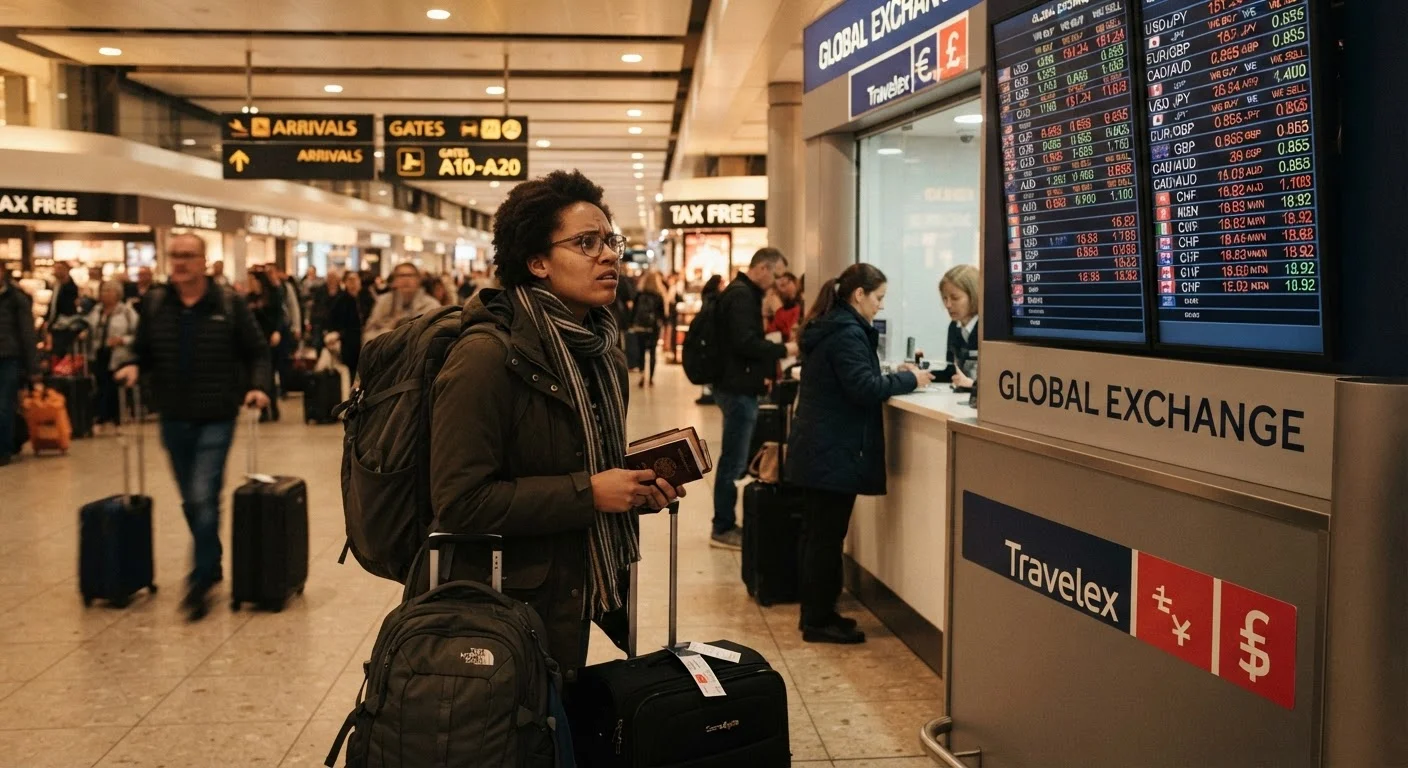
Photo: QuickAdvisor.net editorial
Key Takeaways
- Airport currency exchange desks typically charge significantly higher fees than bank or ATM alternatives.
- International credit card transaction fees can add 1-3% to every purchase you make abroad.
- Tipping customs vary widely by country - over-tipping or under-tipping can both create awkward situations.
- Airport-to-city transfers are often far more expensive than travelers budget for in advance.
- Travel health insurance and emergency evacuation coverage are costs many first-timers skip entirely.
- Visa fees, entry taxes, and tourist levies are increasingly common and easy to miss during planning.
The Budget You Built Probably Has Gaps
You've booked the flights, locked in the hotel, and mapped out a rough daily spending number. It feels solid - until you land and reality starts adding line items you never planned for. First-time international travelers almost universally underestimate trip costs, not because they're careless, but because several expense categories genuinely don't show up in the obvious places.
These aren't rare edge cases. They're predictable costs that catch people off guard trip after trip. The good news: once you know what to look for, they're entirely plannable. This list walks through the expenses most commonly overlooked - so you can build a budget that actually holds up. For a broader framework, The Anatomy of a Travel Budget is a useful companion read.
Airport Currency Exchange Fees
Those currency exchange kiosks in arrival halls are among the most expensive ways to convert money. The rates they advertise often include a significant markup over the interbank rate, and many also charge a flat service fee on top. The convenience is real - but so is the cost.
A generally better approach: use a bank-affiliated ATM at your destination to withdraw local currency, after checking whether your home bank reimburses foreign ATM fees. Some checking accounts are specifically designed with travelers in mind and refund these charges. Avoid dynamic currency conversion at ATMs - always choose to be charged in the local currency.
Airport currency desks are convenient, but that convenience routinely costs travelers far more than alternatives.
Foreign Transaction Fees on Credit Cards
Many standard US credit cards charge a foreign transaction fee - typically 1-3% - on every purchase made in a foreign currency or processed through a non-US bank. That might sound minor, but across a two-week trip with regular card use, it adds up meaningfully.
Before you travel, check your card's terms. Several travel-oriented cards waive foreign transaction fees entirely. If yours doesn't, it may be worth opening one ahead of your trip. This is a cost that requires zero behavior change once you have the right card in your wallet.
A 3% foreign transaction fee on every purchase quietly drains your budget across an entire trip.
Airport-to-City Transportation
The mental math most travelers do - "I'll just grab a cab" - can be a rude awakening. In many major international cities, taxis from the airport into the city center are metered at rates significantly higher than locals pay for shorter in-city trips, and some routes carry fixed surcharges. A ride that looks reasonable on a map can run $60-$80 or more.
Research your options before you land: many cities have dedicated airport train or bus lines that are faster, cheaper, and just as straightforward. Pre-booking a reputable airport transfer service can also give you a predictable fixed cost to put in your budget.
Not researching airport transfer options in advance is one of the most common first-trip budget mistakes.
Tipping Norms That Differ From Home
American tipping culture doesn't translate globally - in both directions. In some countries, tipping is not customary and may even be considered slightly rude. In others, service charges are built into the bill automatically. In still others, cash tips are expected where card tipping isn't practiced.
Going in uninformed means you might over-tip (spending more than necessary), under-tip (causing genuine offense in tipping cultures), or miss a mandatory service charge already on your receipt. Cultural etiquette norms around tipping vary more than most Americans realize - a quick destination-specific search before you go resolves most of the uncertainty.
Tipping norms differ dramatically by country - research yours before you arrive, not after.
Visa Fees and Entry Taxes
Visa requirements for US passport holders vary widely by destination. Some countries offer visa-free access; others require an e-visa purchased online before arrival; still others require in-person applications with processing times measured in weeks. The fees range from nominal to several hundred dollars, and missing the requirement can mean denied boarding.
Separately, a growing number of countries charge tourist levies or entry taxes - sometimes collected at the border, sometimes added to your airline ticket, sometimes billed through your accommodation. Always verify current entry requirements through official government sources well before your travel dates. Requirements can and do change.
Visa fees and tourist taxes can add hundreds of dollars to a trip if not accounted for during planning.
Travel Health Insurance and Emergency Coverage
Most US domestic health insurance plans provide limited or no coverage outside the country. If you need medical attention abroad - including something as common as a sprained ankle or stomach illness - you may face full out-of-pocket costs at an unfamiliar facility in a foreign healthcare system.
Travel health insurance and emergency medical evacuation coverage are categories many first-timers skip to save money upfront. Policies vary widely in what they cover, so reading the terms carefully matters. This is general information about a cost category to budget for - for guidance on what coverage is appropriate for your health situation and destination, consult a qualified insurance professional and your healthcare provider.
Medical costs abroad can be steep - travel health insurance is a budget line worth taking seriously.
Roaming and Data Charges
Your US phone plan's international roaming terms deserve a careful read before you board. Some plans include international data at reduced speeds; others charge per-megabyte rates that can produce alarming bills. Even travelers who think they've disabled roaming sometimes return home to surprise charges from background app activity.
Common approaches include: purchasing a local SIM card at your destination (check that your phone is unlocked first), using an eSIM with an international data plan, or upgrading your plan temporarily for the trip duration. Map out what you'll actually need - navigation, messaging, translation - and price accordingly.
Unexpected phone roaming charges are one of the most common and preventable post-trip financial surprises.
Plan for the Real Number, Not the Wishful One
Smart international travel isn't about spending less - it's about spending without surprise. The travelers who come home saying the trip "cost way more than expected" usually encountered one or more of the costs above, not a catastrophic mistake. Building a realistic buffer of 15-20% above your itemized budget is a widely practiced approach among experienced travelers, and for good reason.
Build in a Dedicated Miscellaneous Buffer
If you're still in the planning phase, common planning pitfalls to sidestep and a complete first-timer's pre-departure checklist are both worth your time. The more gaps you close before departure, the more you can relax once you arrive.
The content on this site is for informational purposes only and is not a substitute for professional advice. Always consult a qualified professional for guidance specific to your situation.