
Hawaii as an American Destination: What Makes It Distinct from the Continental US

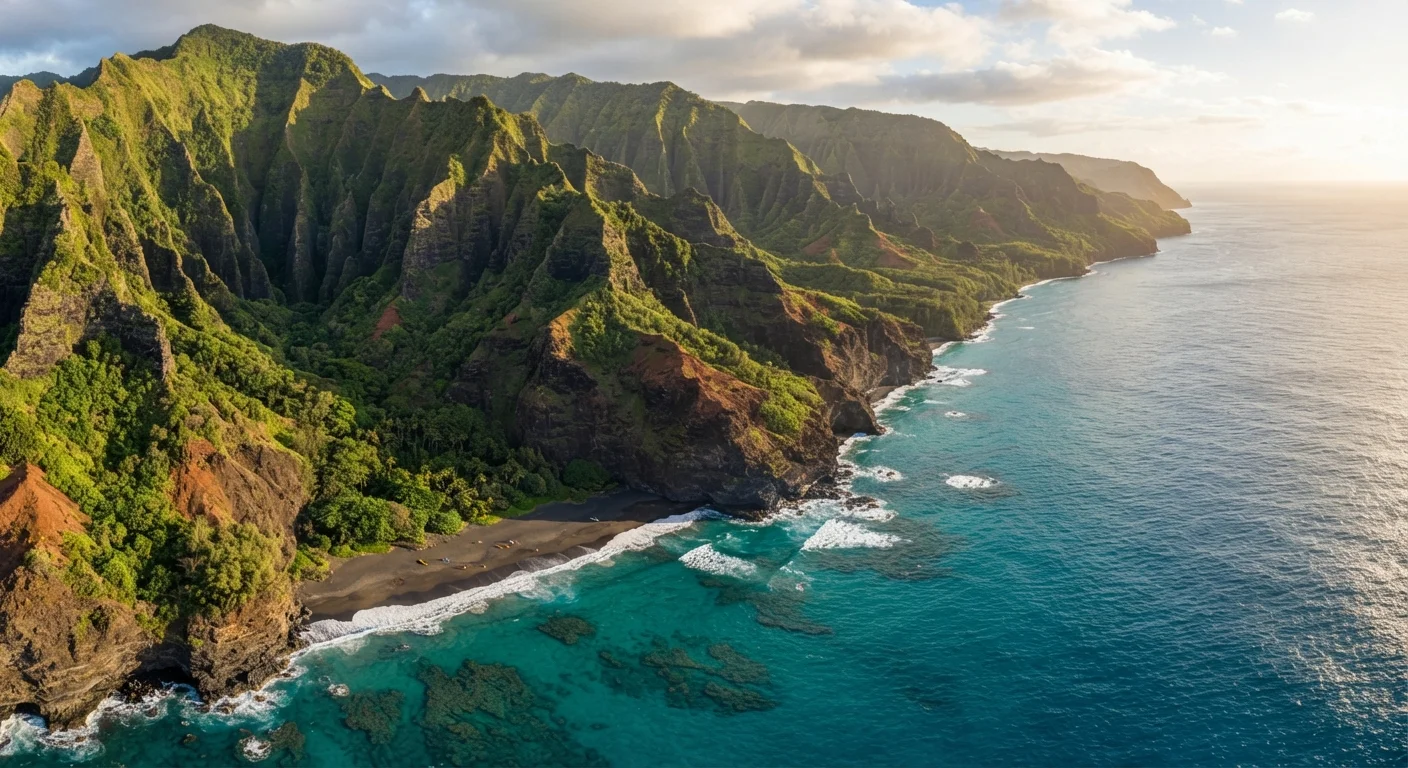
Photo: QuickAdvisor.net editorial
Key Takeaways
- Hawaii is a US state, so no passport is needed - but travel logistics are meaningfully different from a domestic road trip.
- The islands have distinct indigenous Hawaiian culture that deserves respectful, informed engagement from visitors.
- Hawaii's ecosystems are among the most isolated and fragile on Earth, shaped by volcanic geology and remote Pacific location.
- Cost of living and travel expenses in Hawaii tend to run higher than most mainland destinations.
- Each of Hawaii's main islands has a different character - choosing the right island shapes your entire experience.
- Entry requirements, currency, and language are the same as the continental US, but time zones and flight lengths are not.
An American State Unlike Any Other
When most people picture a domestic trip, they imagine loading up a car or catching a short flight to somewhere within driving distance of home. Hawaii breaks that mental model entirely. It is fully, unambiguously American - governed by US law, spending US dollars, represented in Congress - yet arriving there feels genuinely like crossing into a different world. That tension is precisely what makes it worth understanding before you go.
The islands are the exposed peaks of a volcanic chain rising from the Pacific Ocean floor, thousands of miles from any continent. That isolation is not just a geographical curiosity - it defines everything from the wildlife and the weather to the food and the cultural history. Nothing about Hawaii's character was borrowed from the continental United States. If anything, the relationship runs the other way: Hawaiian traditions, place names, and ecological consciousness have shaped how Americans think about islands, sustainability, and indigenous land stewardship.
“The Hawaiian Islands are a world unto themselves - shaped by fire, isolation, and a people who developed one of the most sophisticated maritime cultures the Pacific has ever seen. To visit is to encounter a place that became American without ever becoming ordinary.”
— Travel Editorial Team, US Destination Writers
Cultural Identity and Indigenous Heritage
Hawaii has a living indigenous culture - Native Hawaiian - that predates American statehood by well over a thousand years of organized society. The Hawaiian language, hula, surfing, navigation by stars, and deep connections to the land (aina) are not museum artifacts. They are practiced, protected, and evolving today. Visitors who arrive expecting a generic beach resort experience often leave surprised by how present and intentional that cultural identity is.
Respectful engagement matters here in ways that feel more pointed than at many US destinations. Certain sacred sites, including heiau (traditional temples), are not tourist attractions - they are places of genuine spiritual significance. Local guidance on what to visit and how to behave there is worth seeking out. Many communities across the islands have been explicit about the kinds of tourism that feel welcome versus extractive, and travelers who listen tend to have richer experiences as a result.
Research Before You Arrive
Ecology, Geography, and What That Means Practically
Hawaii is one of the most biologically isolated landmasses on Earth. The result is an extraordinary concentration of endemic species - plants and animals found nowhere else - alongside ecosystems that are deeply vulnerable to outside disruption. This shapes practical travel decisions in ways mainland visitors don't always anticipate.
~90%
Of Hawaii's food supply is imported
Hawaii imports the vast majority of its food, making it uniquely dependent on supply chains and contributing to higher consumer prices across the islands.
10,000+
Native species found only in Hawaii
Hawaii's geographic isolation produced extraordinary biodiversity; the state is sometimes called the extinction capital of the world due to ongoing pressure on endemic species.
2,400 mi
Distance from California to Honolulu
Hawaii is the most geographically isolated populated landmass on Earth, sitting roughly 2,400 miles from the nearest continental US coastline.
Biosecurity checkpoints at Hawaiian airports are real and enforced. Bringing certain fresh fruits, plants, or soil-covered items onto the islands (or between islands) can inadvertently introduce invasive species. The state's coral reefs face ongoing pressure from warming oceans, runoff, and chemical sunscreens - which is why oxybenzone-based sunscreens are banned in Hawaii. These are not inconveniences; they reflect how seriously the state takes its ecological survival.
The landscape itself varies wildly across islands and even within a single island. The Big Island contains nearly every climate zone found on Earth, from lava fields at the coast to snow-capped Mauna Kea at nearly 14,000 feet. Kauai's Napali Coast has cliffs that make it nearly unreachable by land. These are not the kinds of landscapes found anywhere else under the American flag - compare them to the striking variety explored in our look at the Pacific Northwest vs. Mountain West, and you begin to appreciate just how geographically diverse the US truly is.
Logistics, Cost, and Setting Realistic Expectations
Hawaii is not a budget-friendly destination by most mainland standards, and pretending otherwise does readers a disservice. Because the islands import the vast majority of goods, grocery bills, restaurant meals, and accommodations cost noticeably more than comparable experiences on the mainland. Inter-island travel - getting from Maui to the Big Island, for instance - requires a short flight or ferry, adding another layer of planning and expense.
Flight times are longer than many Americans expect from a "domestic" trip. From the East Coast, Hawaii is a transcontinental journey in both time and cost. From the West Coast, five to six hours in the air is standard. The time zone difference (Hawaii does not observe Daylight Saving Time) means jet lag is a real consideration, especially heading back east.
None of this is a reason to skip Hawaii - it is a reason to plan deliberately and go in with clear eyes. The payoff, for travelers who engage thoughtfully with what the islands actually are rather than what resort marketing suggests, is an experience that remains singular among American destinations.
Frequently Asked Questions
The content on this site is for informational purposes only and is not a substitute for professional advice. Always consult a qualified professional for guidance specific to your situation.