
New Orleans Beyond Bourbon Street: What the City's Neighborhoods Actually Look Like

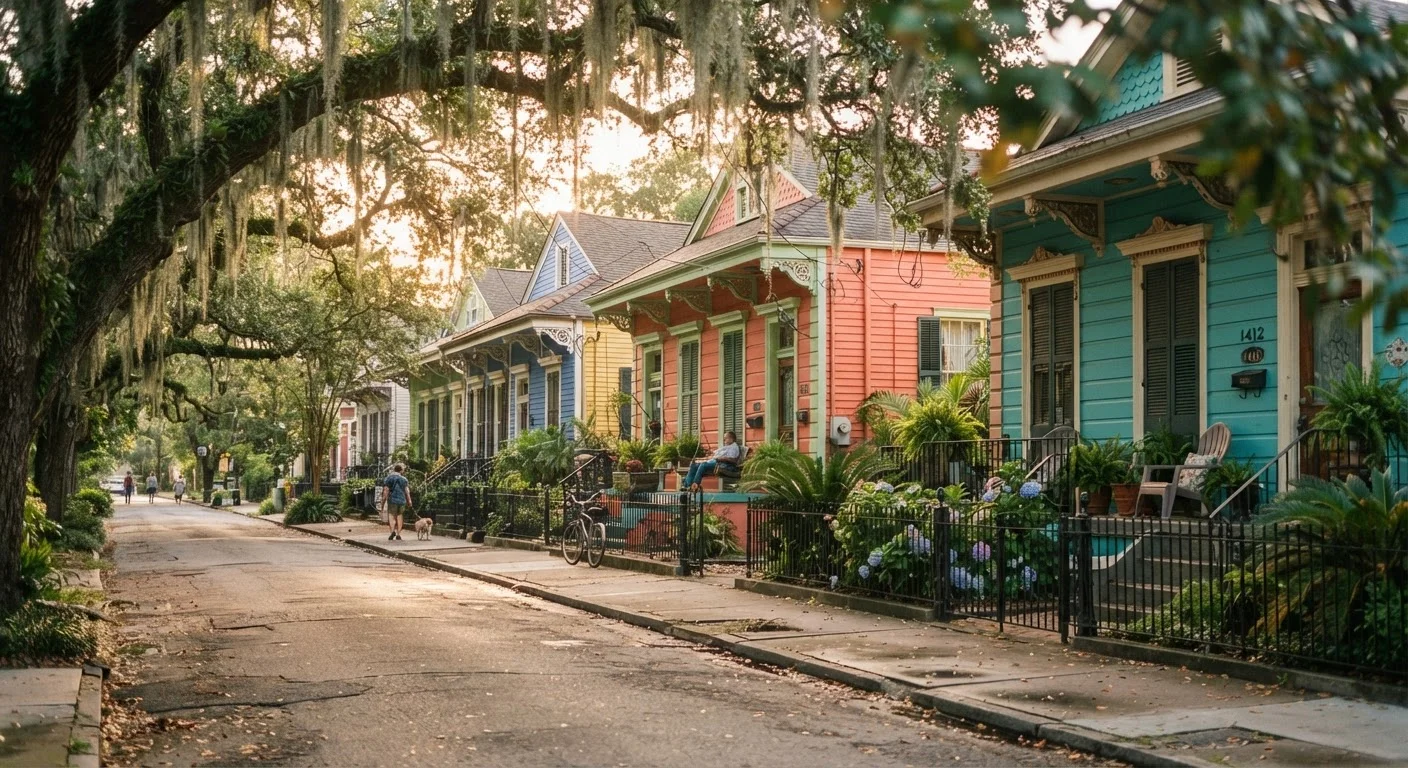
Photo: QuickAdvisor.net editorial
Key Takeaways
- Bourbon Street represents a tiny fraction of what New Orleans has to offer visitors.
- Tremé is widely considered the oldest African American neighborhood in the United States.
- Bywater and the Marigny attract artists and musicians drawn by affordable rent and creative community.
- Uptown is home to grand Victorian mansions, streetcar rides, and a quieter local pace.
- Each neighborhood has distinct food, music, and architectural traditions worth exploring on their own.
- Walking or taking the streetcar is often the best way to experience neighborhood transitions.
Why Bourbon Street Is Not the Whole Story
Ask most Americans about New Orleans and Bourbon Street comes up within seconds. The neon signs, the plastic cups, the wall of sound - it's iconic, sure. But Bourbon Street is essentially one block of one neighborhood in a city that sprawls across more than 70 distinct communities. Relying on it as your entire New Orleans experience is a little like visiting New York City and never leaving Times Square.
The French Quarter itself - the broader historic district that contains Bourbon Street - is genuinely worth your time. The architecture is stunning, the food history runs deep, and Royal Street's quieter galleries and restaurants reveal a more nuanced side. But even the Quarter is just the entry point to understanding what New Orleans actually is.
If you want to read New Orleans like a local, you have to follow the streetcar lines, walk through the shotgun-house streets, and let the neighborhoods do the talking.
72
Officially recognized New Orleans neighborhoods
According to the City of New Orleans planning department, the city is divided into 72 distinct neighborhoods across 13 planning districts.
1 block
Bourbon Street's length in the French Quarter
Bourbon Street runs about 13 blocks total, but its most-visited tourist stretch occupies just a small portion of the French Quarter's footprint.
300+ years
Age of the Tremé neighborhood
Tremé dates to the early 18th century and is widely cited by historians as the oldest continuously inhabited African American neighborhood in the US.
Tremé: Where American Music Was Born
Just northwest of the French Quarter, Tremé is one of the most historically significant neighborhoods in the entire United States. It's widely recognized as the oldest African American neighborhood in the country, and its contribution to American culture - particularly music - is immeasurable. Jazz didn't emerge from a recording studio. It emerged from Congo Square, from second-line parades winding through these streets, from brass bands playing at funerals and celebrations alike.
The Backstreet Cultural Museum, housed in a former Mardi Gras Indian suit storage building, offers an intimate and honest look at Mardi Gras Indian traditions, jazz funerals, and social aid and pleasure clubs. It's the kind of place that reorients your understanding of what New Orleans is built on. Tremé rewards slow, respectful exploration - this is a living neighborhood, not a museum district, and residents take pride in its heritage.
Bywater and the Marigny: Creative Energy on the River Bend
Follow Esplanade Avenue downriver from the French Quarter and you'll cross into the Marigny, then Bywater - two neighborhoods that have long attracted musicians, visual artists, and anyone looking for a more textured, local New Orleans experience. The architecture here is a riot of color: Creole cottages and camelback houses painted turquoise, gold, and coral, their stoops facing streets named for the Muses.
Frenchmen Street in the Marigny is where many locals go for live music - a strip of small clubs where jazz, blues, and brass bands play most nights without the theme-park atmosphere of Bourbon Street. Bywater, meanwhile, has developed a vibrant restaurant and coffee shop scene while retaining its working-class roots. The area around the Bywater Brew Pub and the riverfront green spaces gives the neighborhood a laid-back, community-oriented feel that's hard to fake.
Both neighborhoods are walkable from the French Quarter, making them easy additions to any visit rather than major detours.
Walk the Neighborhood Transitions
Uptown and the Garden District: Another City Entirely
Hop on the St. Charles streetcar and ride it uptown - past Tulane and Loyola universities, past oak trees so wide their roots buckle the sidewalks - and New Orleans starts to look almost like a different city. The Garden District is defined by grand antebellum mansions set behind elaborate iron fences and lush gardens. Magazine Street cuts through the area offering locally-owned shops, cafés, and restaurants that feel genuinely embedded in neighborhood life.
Further uptown, neighborhoods like Carrollton and Riverbend have a quiet, residential character that surprises visitors expecting non-stop revelry. This is where locals jog, grab coffee on their porch, and argue about who makes the better po'boy. The food here - from Creole Italian restaurants that date back generations to Vietnamese sandwich shops reflecting the city's significant Vietnamese community - reflects a New Orleans that has absorbed generations of immigrants and made them its own.
Uptown is proof that New Orleans isn't just a party city. It's a place where people live full, layered lives, and visitors who make it out here tend to leave with a much richer understanding of what makes the city so enduring.
Frequently Asked Questions
The content on this site is for informational purposes only and is not a substitute for professional advice. Always consult a qualified professional for guidance specific to your situation.