
Reading a City Like a Local: The Unwritten Rules of Urban Exploration

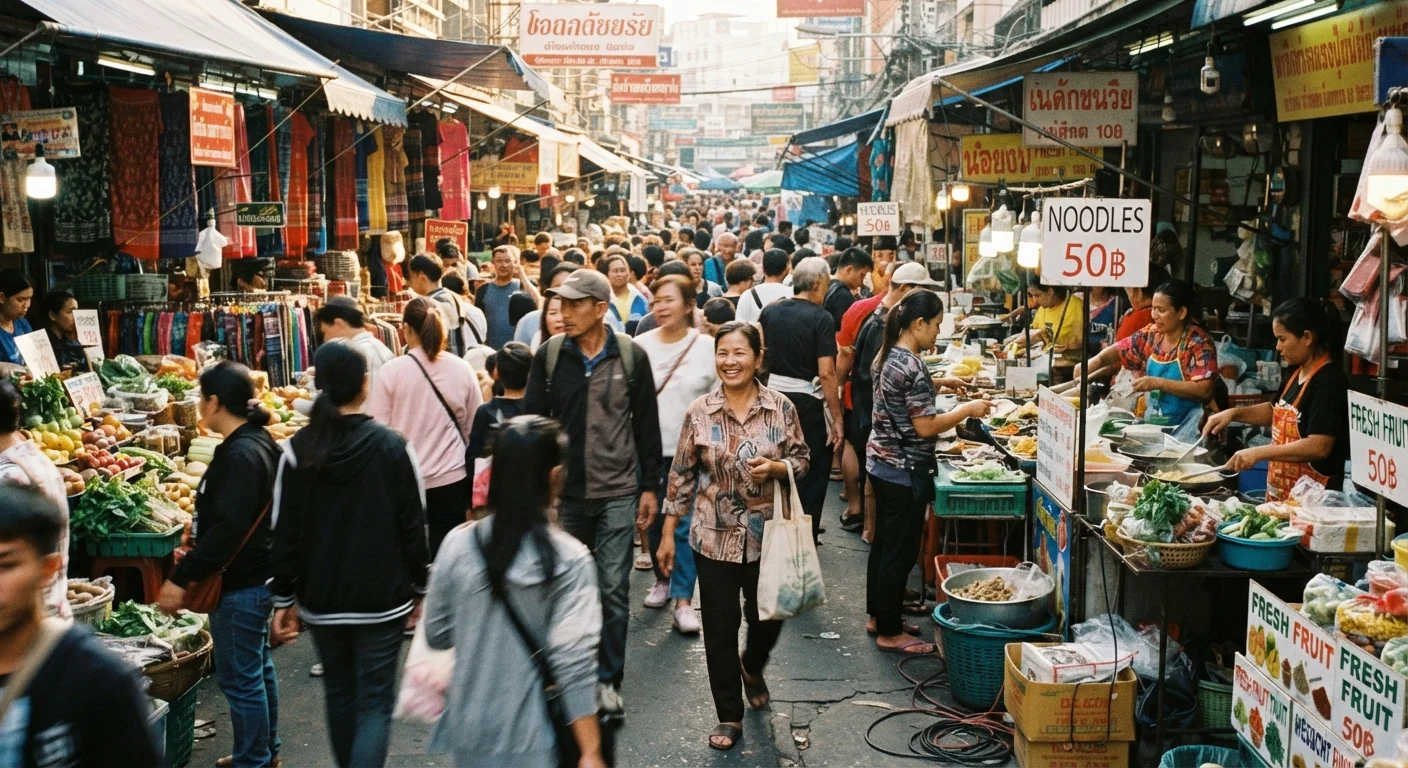
Photo: QuickAdvisor.net editorial
Key Takeaways
- Local transit behavior, market rhythms, and neighborhood pace reveal more than any guidebook.
- Observing where residents eat, linger, and commute gives you an authentic city framework.
- Small spatial cues - benches, crosswalk timing, signage - tell you which neighborhoods are built for residents versus tourists.
- Adapting to a city's unwritten social codes makes you a more welcome and aware visitor.
Why Most Visitors Miss What a City Is Actually Saying
Every city communicates - through the smell of a neighborhood bakery at 7 a.m., the way commuters fold themselves into a subway car, the block that's all dry cleaners and pharmacies versus the one that's all bars. Tourists tend to read cities like a highlight reel. Locals read them like a long, layered novel.
The gap between those two readings is where most travel experiences lose depth. You can stand in the same plaza as a lifelong resident and notice completely different things. The trick isn't insider access - it's learning to shift your attention. Immersive travel formats that emphasize participation over sightseeing help accelerate that shift, but the foundational skill is observation itself.
Urban exploration at its most rewarding isn't about seeing more - it's about reading what's already in front of you with better fluency.
Best Practices for Reading a City Like a Local
These habits won't just enrich a single trip - they'll permanently change how you experience any city you visit.
Follow the commute, not the tourist circuit.
Eat where the signage isn't in English - or where there's no sign at all.
Read the public seating to understand who a neighborhood is designed for.
Notice where the city's daily rhythms shift - and time your own movements accordingly.
Observe how locals use their phones in public spaces.
Cross-reference what's missing against what's abundant.
Quick Wins to Apply on Your Next City Day
You don't need a week to start practicing urban literacy. These actions pay off immediately.
For a deeper framework on moving through American cities with confidence, see habits that experienced urban travelers follow - transit research, neighborhood selection, and pacing all factor in.
Food, Transit, and the Details That Actually Reveal a Place
Two of the most honest lenses into city life are transit systems and food scenes. Watch how locals actually use public transit - not where the tourist maps say to go, but where residents transfer, which cars they board, which stops they treat as genuine gathering points. Chicago and New York feel entirely different on the ground even though both are iconic - their transit cultures, street grids, and neighborhood logic differ in ways no ranking captures.
Food is equally revealing. Using meals as a cultural lens means seeking out lunch counters packed with office workers, produce markets where elderly residents shop at dawn, or neighborhood taquerias that don't bother with a website. These aren't hidden gems - they're just everyday infrastructure that visitors rarely think to notice.
Cities that don't dominate travel coverage are often the most legible for this kind of exploration. Places like Tulsa, Spokane, or Providence tend to have slower, more readable rhythms - a great training ground for sharpening your urban observation skills before tackling denser metros.
“The city reveals itself to those who walk it without a destination. Every detour is data.”
— Jane Jacobs, Urbanist and author of 'The Death and Life of Great American Cities'
The content on this site is for informational purposes only and is not a substitute for professional advice. Always consult a qualified professional for guidance specific to your situation.