
Dietary Fiber: The Nutrient Most Americans Consistently Fall Short On

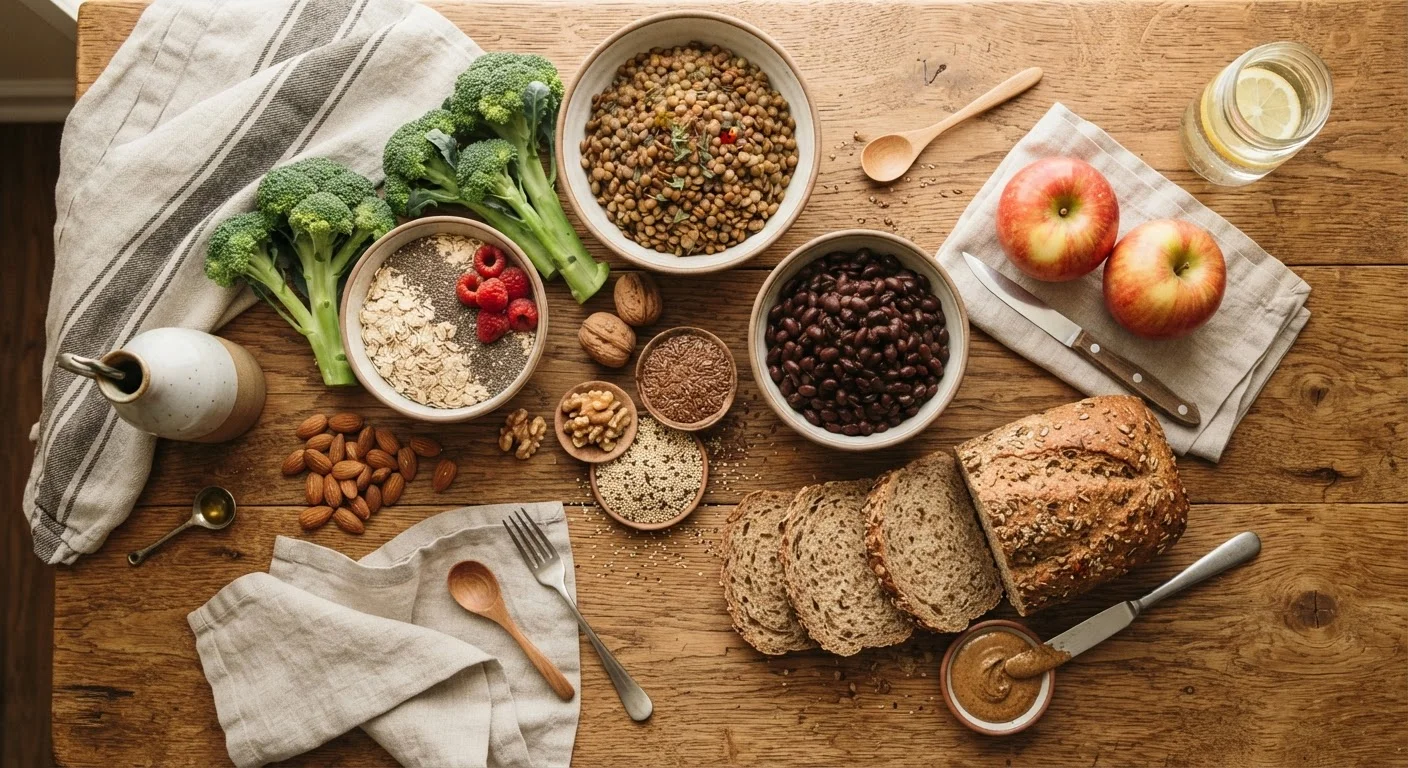
Photo: QuickAdvisor.net editorial
Key Takeaways
- Most Americans consume roughly half the daily fiber their body needs.
- Fiber comes in two main forms - soluble and insoluble - each with distinct health roles.
- Gut bacteria ferment certain fibers, producing compounds that support inflammation control and immunity.
- Legumes, whole grains, vegetables, and fruits are the most reliable fiber sources.
- Increasing fiber gradually and pairing it with adequate water prevents digestive discomfort.
- Fiber supplements exist but cannot fully replicate the benefits of whole food sources.
Why Fiber Deserves More Attention
Of all the nutrients researchers consistently flag as under-consumed in the American diet, dietary fiber stands out as both the most widespread shortfall and one of the most consequential. National dietary surveys suggest the average American adult takes in somewhere between 10 and 15 grams of fiber per day - well below the Dietary Guidelines for Americans recommendation of 25 grams for women and 38 grams for men. The gap is so persistent that nutrition scientists have labeled fiber a "nutrient of public health concern."
Part of the problem is that fiber lacks the cultural visibility of protein or vitamins. It rarely anchors a product's front-of-package claim unless it's a cereal brand. Yet the evidence connecting fiber intake to digestive health, cardiovascular function, blood sugar regulation, and gut microbiome diversity is among the most robust in nutrition science. Understanding what fiber actually is - and how it works - is the first step toward closing that gap.
10-15g
Average daily fiber intake for U.S. adults
The Dietary Guidelines for Americans recommends 25g for women and 38g for men - most adults consume roughly half that amount.
95%
Americans not meeting fiber recommendations
According to USDA dietary data analysis, an estimated 95% of Americans fail to meet recommended fiber intakes on any given day.
~30%
Lower colorectal cancer risk with high fiber diets
A large meta-analysis published in The Lancet found that high dietary fiber intake was associated with approximately 30% lower colorectal cancer risk compared to low-fiber diets.
Soluble vs. Insoluble: Understanding the Two Types
Dietary fiber is the umbrella term for plant-based carbohydrates that the human digestive system cannot break down into sugar molecules for absorption. That inability is precisely what makes fiber valuable. Within that category, two broad types behave very differently once you eat them.
Soluble fiber dissolves in water to form a viscous gel in the digestive tract. This gel slows digestion, blunts the rise in blood glucose after meals, and binds to bile acids - a mechanism that helps lower LDL (low-density lipoprotein) cholesterol. Good sources include oats, barley, apples, citrus fruits, carrots, psyllium husk, and legumes like lentils and black beans.
Insoluble fiber does not dissolve in water. Instead, it adds bulk to stool and accelerates transit time through the intestines, supporting regularity and reducing strain. Whole wheat flour, wheat bran, nuts, and the skins of many vegetables and fruits are rich in insoluble fiber.
Most plant foods contain a mixture of both types, so eating a varied, whole-food diet naturally delivers both. The distinction matters most when someone has a specific health goal - such as lowering cholesterol or addressing constipation - and wants to prioritize particular sources. For a broader look at how nutrition myths can distort these distinctions, see common nutrition misconceptions debunked.
What Fiber Actually Does in Your Body
Beyond its structural effects in the gut, certain fibers - particularly those classified as prebiotic - are fermented by the trillions of microorganisms living in the large intestine. The microbiome uses these fibers as fuel, producing short-chain fatty acids (SCFAs) like butyrate, acetate, and propionate as byproducts. SCFAs nourish the cells lining the colon, influence immune signaling, and may play a role in reducing systemic inflammation.
Epidemiological studies have consistently linked higher fiber intake to lower risks of type 2 diabetes, coronary heart disease, and colorectal cancer, though researchers note that fiber-rich diets also tend to deliver other beneficial compounds - vitamins, minerals, and polyphenols - making it difficult to isolate fiber's independent effect. What is clear is that the overall dietary pattern matters enormously.
When reading a nutrition label, look at fiber as a percentage of daily value rather than raw grams - anything above 10% DV per serving is a meaningful contribution.
Canned beans are nearly as nutritious as dried and require no soaking - rinsing them reduces sodium by roughly 40% and makes them just as effective a fiber source.
Fiber also has a satiety effect. Because high-fiber foods take longer to chew and digest, they extend the feeling of fullness after eating, which can help with energy balance over time. This is a physiological mechanism, not a guarantee of any specific outcome, and individual responses vary considerably.
Where Americans Fall Short - and Why
The structure of the modern American food supply is largely responsible for the fiber gap. Roughly 60% of calories in a typical American diet come from ultra-processed foods - items that have been refined in ways that strip out most naturally occurring fiber. White flour, refined cereals, packaged snacks, and fast food are the dominant sources of carbohydrates for many people, yet they contribute almost no fiber.
Fruit and vegetable consumption also remains below recommended levels across most demographic groups. Cost, access, time, and habit all contribute to that pattern. If any of these symptoms resonate - low energy, sluggish digestion, frequent illness - it may be worth reviewing your overall nutrient intake. Signs your diet may be missing key nutrients offers a useful starting framework for that conversation with a healthcare provider.
Fiber Supplements Are Not a Shortcut
The Best Food Sources of Dietary Fiber
Whole foods deliver fiber most effectively, alongside the complementary nutrients and compounds that appear to amplify its benefits. These categories offer the highest returns:
- Legumes: Lentils, black beans, chickpeas, and split peas contain 6-9 grams of fiber per half-cup cooked - among the highest concentrations of any food.
- Whole grains: Oats, barley, bulgur, quinoa, and 100% whole wheat bread contribute both soluble and insoluble fiber. Look for "whole grain" as the first ingredient.
- Vegetables: Broccoli, Brussels sprouts, artichokes, carrots, and sweet potatoes are standouts. Eating vegetables with their skins where edible preserves more fiber.
- Fruits: Pears, raspberries, apples (with skin), and avocados are among the highest-fiber fruits. Whole fruit provides significantly more fiber than juice.
- Nuts and seeds: Chia seeds, flaxseeds, and almonds contribute meaningful fiber alongside healthy fats.
Hydration plays a supporting role here. Fiber absorbs water, and adequate fluid intake helps it function effectively in the digestive tract. How much of your water intake comes from eating explores this connection in more detail.
How to Increase Fiber Without the Discomfort
A rapid increase in fiber intake almost always causes bloating, gas, and cramping - not because fiber is harmful, but because the gut microbiome needs time to adjust to new fermentable substrates. The practical solution is incremental change.
Add one new fiber-rich food per week rather than overhauling your entire diet at once. Swap refined grains for whole-grain versions of foods you already eat. Stir a tablespoon of chia seeds into yogurt or oatmeal. Build meals around legumes two or three times a week. Small, consistent shifts accumulate into substantial dietary change over months without triggering the digestive disruption that often derails well-intentioned efforts.
Fiber supplements - psyllium husk being the most studied - can help bridge gaps but are not a complete substitute for whole food sources. They lack the vitamins, polyphenols, and diverse fiber types that whole foods provide. If you are managing a gastrointestinal condition, consult a registered dietitian or physician before significantly changing your fiber intake, as individual tolerances vary and some conditions require tailored guidance.
This article is for general informational and educational purposes only and is not a substitute for professional medical or dietary advice. Consult a qualified healthcare provider for guidance specific to your health needs.
The content on this site is for informational purposes only and is not a substitute for professional advice. Always consult a qualified professional for guidance specific to your situation.