
Getting More Nutrients from Your Meals Without Overhauling Your Diet

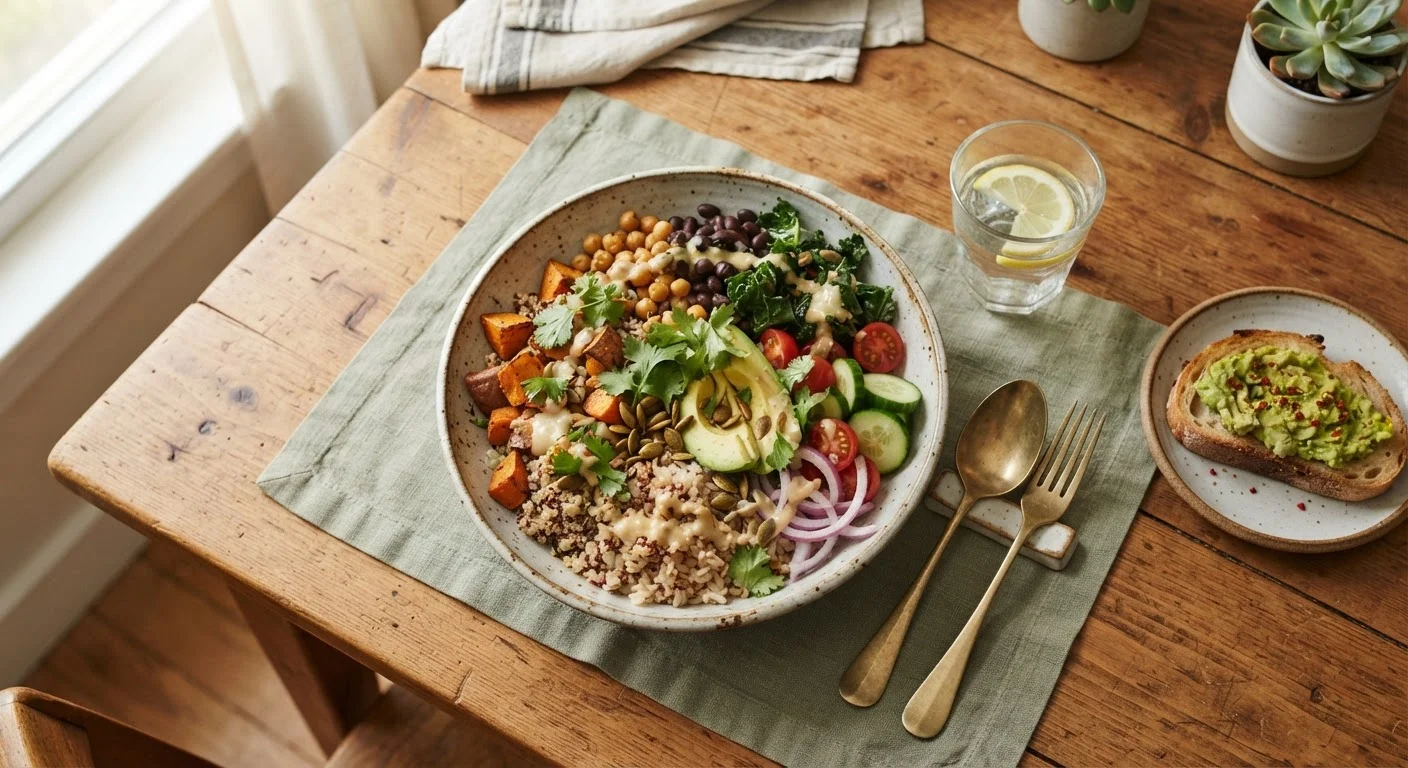
Photo: QuickAdvisor.net editorial
Key Takeaways
- How you cook food matters as much as what food you choose - some methods preserve more nutrients than others.
- Pairing certain foods together can meaningfully increase how well your body absorbs key nutrients.
- Swapping refined grains for whole grains is one of the highest-impact, lowest-effort dietary changes you can make.
- Frozen and canned produce can be just as nutritious as fresh, making variety more accessible year-round.
- You don't need to eliminate foods or follow a strict plan to eat more nutritiously.
Why Small Shifts Beat Big Overhauls
Most nutrition advice arrives in the form of sweeping changes: eliminate this food group, adopt that eating plan, restructure every meal. For the average person, this kind of advice is exhausting - and rarely sticks. Research on dietary behavior consistently shows that smaller, targeted adjustments are more sustainable over time than complete dietary revamps.
The good news is that meaningful improvements in nutritional quality often come from adjustments that work within your existing routine - changing how you cook something, what you pair it with, or how you stock your kitchen. These aren't workarounds or compromises. They're legitimate nutrition strategies, grounded in how digestion and food chemistry actually work.
If you're new to thinking about food this way, our introduction to eating better is a useful starting point for building the foundational mindset before diving into specifics.
Best Practices for Getting More from What You Already Eat
These evidence-informed practices address the most common gaps between what people eat and what their bodies actually absorb. None require specialty ingredients or advanced cooking skills.
Pair iron-rich plant foods with a source of vitamin C at the same meal.
Choose whole grains over refined grains wherever the swap feels natural.
Add a fat source when eating fat-soluble vitamins (A, D, E, K).
Don't overlook frozen and canned produce as nutritional options.
Diversify your protein sources across the week.
Eat a wider variety of vegetables, not just more of the same ones.
Cooking Methods: A Nutrient-Level Decision You Make Every Day
The same broccoli floret can deliver dramatically different amounts of vitamin C depending on whether it's boiled, steamed, or roasted. Water-soluble vitamins - particularly vitamin C and the B vitamins - leach into cooking water and are partially destroyed by high heat. Fat-soluble nutrients like beta-carotene and lycopene, by contrast, often become more bioavailable (easier for your body to absorb) when food is cooked in the presence of a small amount of fat.
This doesn't mean raw food is always superior or that cooking is the enemy. It means cooking method is a genuine nutritional variable worth considering. Steaming and quick stir-frying tend to preserve the most water-soluble nutrients in vegetables. Roasting in a little olive oil can actually enhance your absorption of fat-soluble compounds in carrots, tomatoes, and leafy greens. For a full breakdown, see how cooking methods affect nutritional value.
Save the Cooking Water When You Can
Quick Wins You Can Apply Today
Not every improvement requires planning ahead. Several high-impact changes are available right now, at your next meal.
For readers navigating tighter grocery budgets, many of these strategies align well with cost-conscious shopping. Our evidence-backed guide to eating well on a budget covers how to prioritize nutritional value without increasing your grocery spend.
This article is for general informational and educational purposes only and is not a substitute for personalized medical or dietary advice. Consult a qualified healthcare provider or registered dietitian for guidance specific to your health needs.
The content on this site is for informational purposes only and is not a substitute for professional advice. Always consult a qualified professional for guidance specific to your situation.