
Nutrition for Life Stages: How Dietary Needs Shift from Your 20s Onward

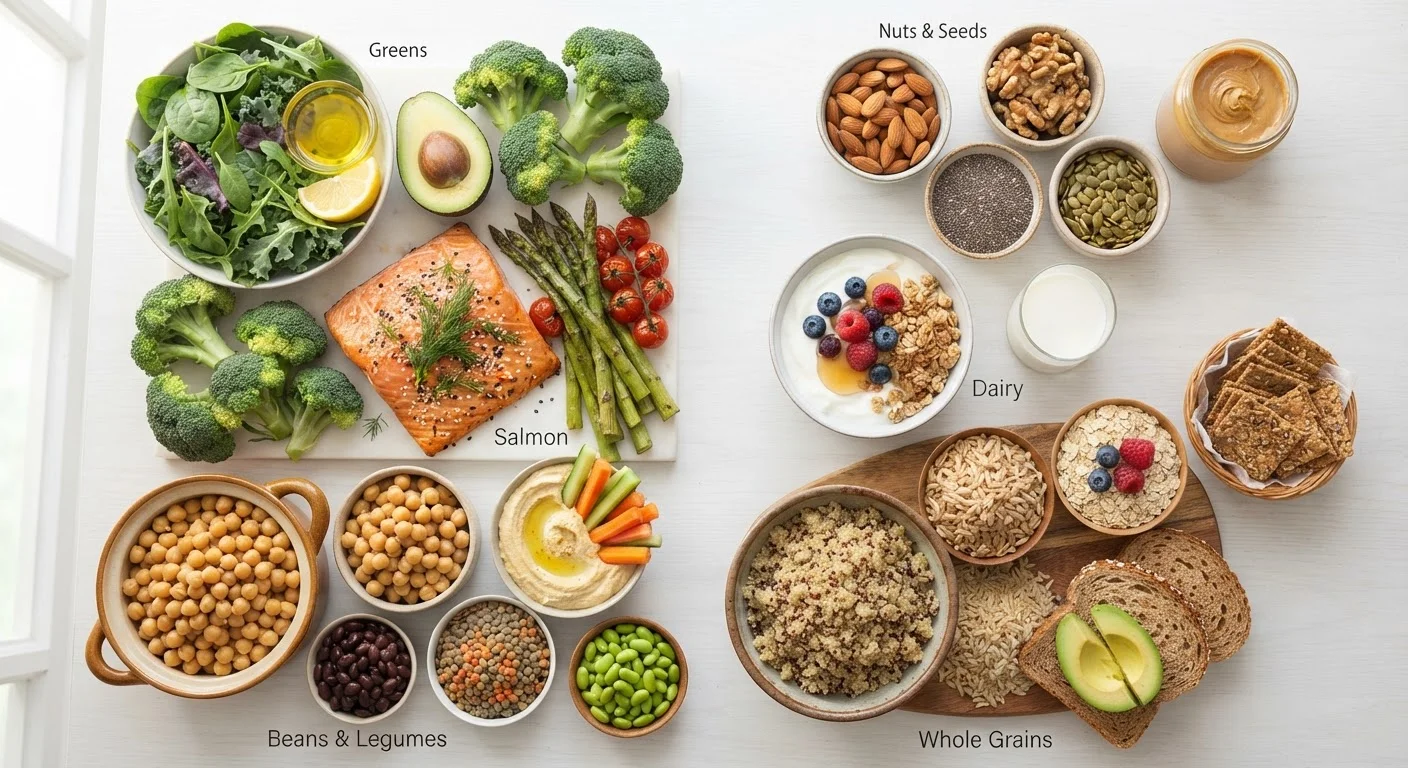
Photo: QuickAdvisor.net editorial
Why Age Changes the Nutritional Equation
Your body's relationship with food is never static. Hormones fluctuate, metabolism slows, absorption efficiency changes, and the health risks you face evolve decade by decade. What sustained you at 25 may quietly leave gaps by 45 - not because your diet got worse, but because your biology shifted. Understanding those shifts is the first step toward eating with intention at any age.
This overview covers the key nutrients that become more or less critical across four major adult life stages: your 20s and 30s, your 40s, your 50s, and 60-plus. It's general education, not a personal prescription - always consult a qualified healthcare provider or registered dietitian for guidance tailored to your individual health status. For a grounding in core nutrition concepts, see our introduction to eating better.
Your 20s and 30s: Building the Foundation
These decades are prime time for building biological reserves you'll draw on later. Bone mass peaks in the late 20s, making calcium (found in dairy, fortified plant milks, leafy greens, and sardines) and vitamin D essential right now - not later. The recommended dietary allowance for calcium in adults under 50 is 1,000 mg per day, according to the National Institutes of Health.
For people who menstruate, iron needs are elevated throughout the reproductive years due to monthly blood loss. Iron-rich foods include red meat, lentils, tofu, and fortified cereals. Pairing them with vitamin C-rich foods improves absorption. Folate is critical for anyone who may become pregnant, as it supports neural tube development in early pregnancy - often before a pregnancy is confirmed.
The 20s and 30s are also when dietary habits solidify. Small, sustainable shifts in how you eat can compound significantly over time.
Your 40s: Metabolic and Hormonal Shifts Begin
Resting metabolism begins a gradual decline in the 40s - roughly 1-2% per decade after 30, according to research published in the journal Science. This doesn't mean eating less is inevitable, but it does mean protein quality becomes more important. Adequate protein helps preserve lean muscle mass as it naturally begins to decrease.
Perimenopause, which can begin in the early-to-mid 40s for many women, brings hormonal changes that affect bone density, cardiovascular risk, and mood. Maintaining calcium and vitamin D intake remains important. Magnesium - found in nuts, seeds, whole grains, and dark chocolate - supports muscle function, sleep quality, and blood sugar regulation, and many Americans fall short of recommended amounts.
This is also a decade when cardiovascular health warrants closer attention. Omega-3 fatty acids from fatty fish, walnuts, and flaxseed support heart health, as does increasing dietary fiber from legumes, vegetables, and whole grains. Knowing how to read a food label with a specific health goal in mind becomes a genuinely useful skill here.
Your 50s and Beyond: Absorption, Muscle, and Bone Health
After 50, the body becomes less efficient at absorbing certain nutrients even when dietary intake looks adequate. Vitamin B12 absorption declines significantly because stomach acid production - which helps release B12 from food - decreases with age. This makes B12-rich foods (meat, fish, eggs, dairy) more important, and some older adults may benefit from supplements or fortified foods, though that's a conversation for a doctor or dietitian.
Calcium needs rise to 1,200 mg per day for women over 50 and men over 70 (NIH). Simultaneously, vitamin D remains essential for calcium absorption and immune function. Skin becomes less efficient at producing vitamin D from sunlight with age, making dietary and supplemental sources more significant.
Muscle loss accelerates after 60 - a process called sarcopenia - making protein distribution across meals (rather than just total daily intake) increasingly relevant. Research suggests spreading protein intake across three meals, rather than concentrating it at dinner, may better support muscle protein synthesis in older adults.
Certain nutrient gaps can manifest as recognizable symptoms. Patterns like fatigue, brittle nails, or frequent illness are worth discussing with a healthcare provider. For a fuller picture of how vitamins and minerals function differently in the body, see our overview of vitamins vs. minerals.
This article is for general informational purposes only and does not constitute medical or dietary advice. Nutritional needs vary by individual. Consult a qualified healthcare professional or registered dietitian before making significant changes to your diet.
The content on this site is for informational purposes only and is not a substitute for professional advice. Always consult a qualified professional for guidance specific to your situation.