
Reading a Food Label When You Have a Specific Health Goal

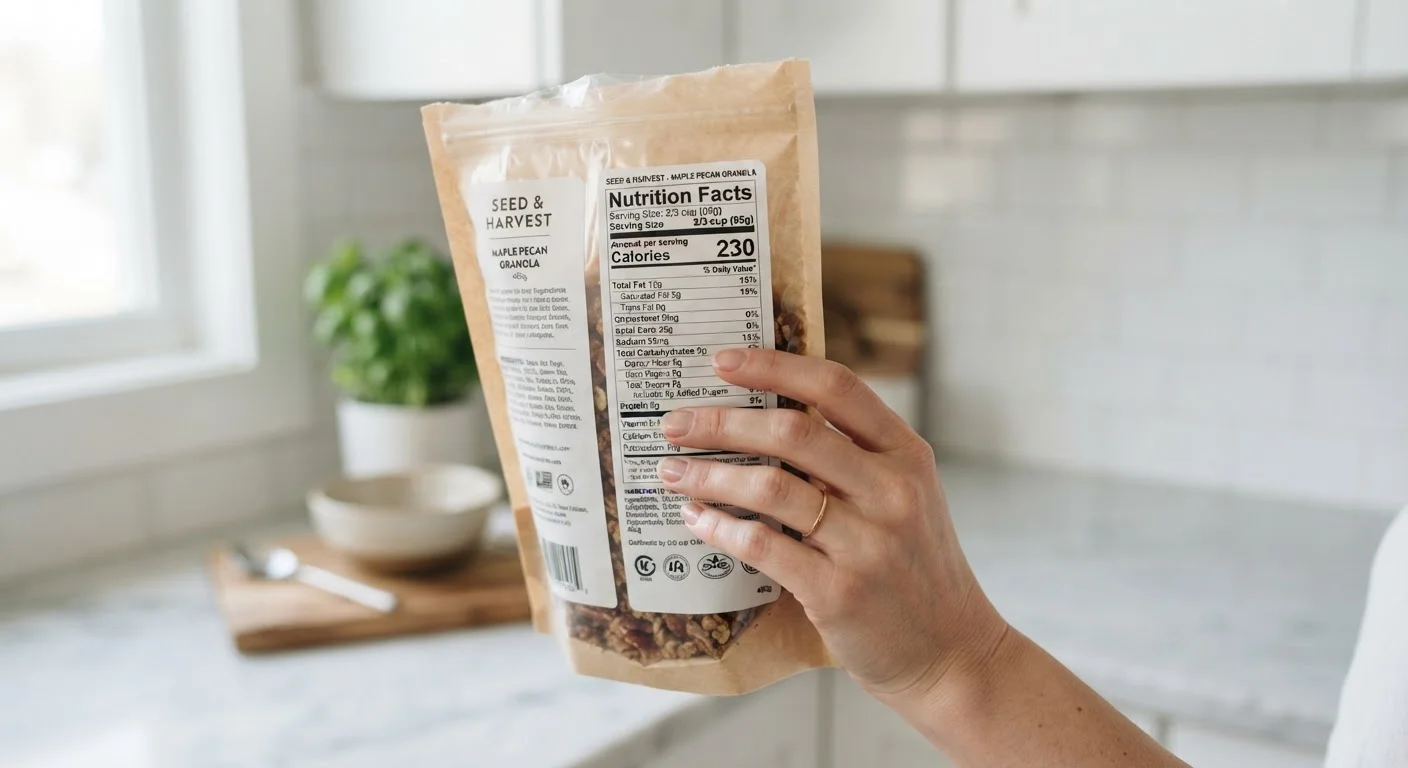
Photo: QuickAdvisor.net editorial
Key Takeaways
- The Nutrition Facts panel is a standardized tool - knowing which rows match your goal is what matters.
- Serving size is the most overlooked number on any food label and directly affects every other figure.
- Daily Value percentages (% DV) give quick context: 5% or less is low, 20% or more is high.
- Ingredient lists reveal what serving-size math and nutrient panels may obscure.
- Your health goal determines which nutrients to prioritize - there is no single universal label strategy.
Why Label Reading Needs a Goal First
A Nutrition Facts label contains a lot of numbers. Without a clear objective, most readers either ignore it entirely or fixate on calories - which may not even be the most relevant figure for their situation. Someone managing blood sugar has different priorities than someone trying to reduce sodium or boost fiber intake.
Before you scan a single row, name your goal. This checklist is organized around the most common ones: blood sugar management, sodium reduction, increasing fiber, and general nutritional awareness. Use the groups that apply to you and skip the rest. If you're working with a registered dietitian or physician on a specific condition, use this checklist as a complement to their guidance - not a replacement for it.
For a broader look at how nutritional needs shift over time, see how dietary priorities evolve across life stages.
This Checklist Is Not Medical Advice
How to Use This Checklist
Work through the Universal Foundation group first - those steps apply regardless of your goal. Then move to the goal-specific group that matches your situation. You don't need to memorize every step; take this list with you on a shopping trip or screenshot it for reference.
One note on the ingredient list: it's a separate document from the Nutrition Facts panel, but it's equally important. Ingredients are listed in descending order by weight. A nutrient can appear low on the panel but high in the actual formulation if a food contains many small amounts of the same ingredient under different names - a common pattern in ultraprocessed products. To understand why that category deserves its own lens, learn how ultraprocessed food is formally defined.
Universal Foundation (All Goals)
Blood Sugar Management
Sodium Reduction
Increasing Fiber Intake
Putting It Together at the Store
Reading labels becomes faster with practice. Within a few shopping trips, you'll recognize which rows matter for your goal without scanning the entire panel. The key shift is moving from passive reading - absorbing what's printed - to active reading: asking whether this product serves a stated purpose.
If you find that label-reading surfaces consistent gaps in your diet, certain symptom patterns may signal nutritional shortfalls worth discussing with a healthcare provider. And if you want to improve nutritional quality without a major diet overhaul, small strategic shifts in how you shop and combine foods can make a meaningful difference.
This article is for general informational and educational purposes only and does not constitute medical or dietary advice. Always consult a qualified healthcare professional or registered dietitian for guidance specific to your health condition or nutritional needs.
Front-of-Package Claims Can Mislead
The content on this site is for informational purposes only and is not a substitute for professional advice. Always consult a qualified professional for guidance specific to your situation.