
Reading Your Own Body: What Common Physical Sensations Actually Indicate

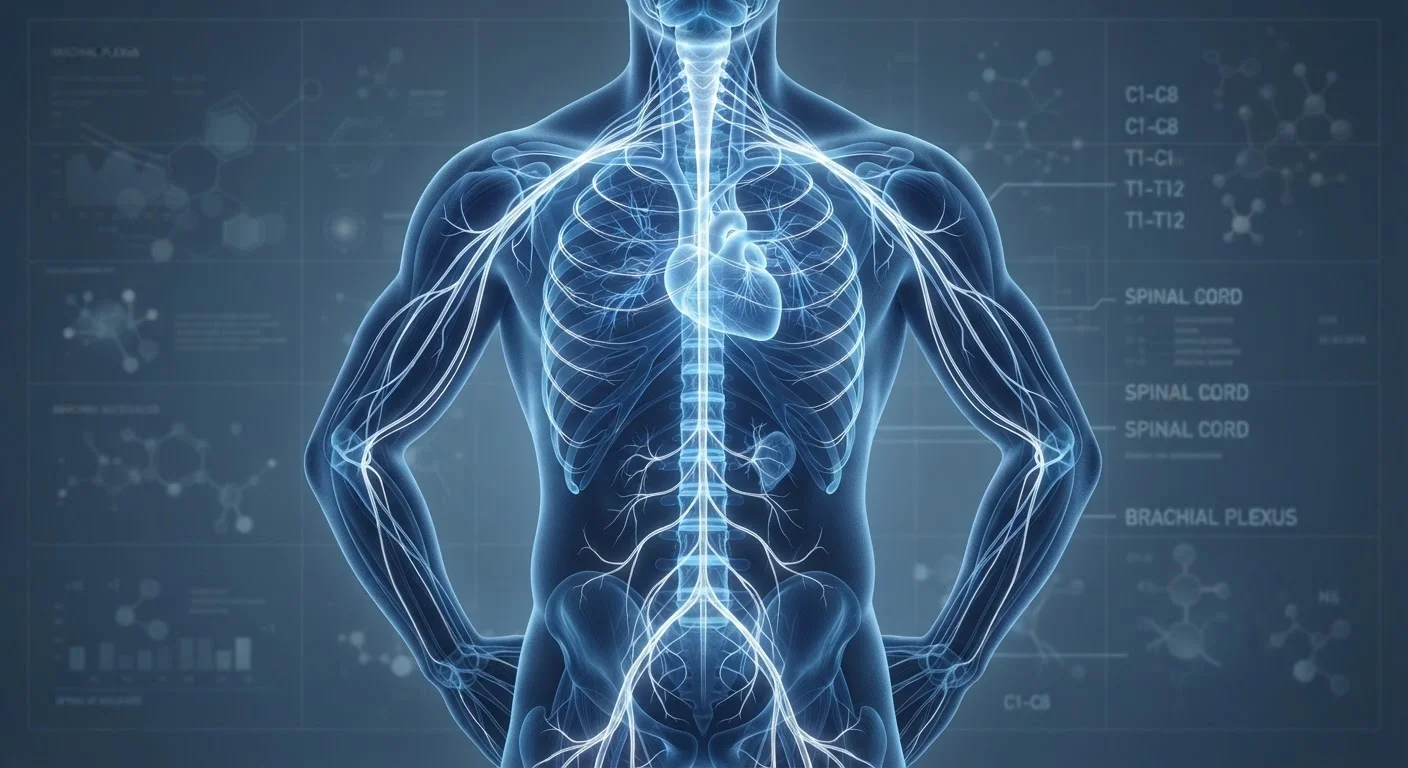
Photo: QuickAdvisor.net editorial
Key Takeaways
- Most everyday physical sensations - twitches, floaters, ringing ears - have well-understood biological causes.
- The nervous system constantly monitors and regulates the body, generating sensations as normal byproducts.
- Muscle cramps and eyelid twitches are often linked to fatigue, hydration, or electrolyte balance.
- Eye floaters are typically harmless but a sudden increase warrants prompt medical evaluation.
- Stomach sounds (borborygmi) are normal signs of an active digestive tract, not a problem.
- Persistent or unusually severe sensations should always be discussed with a qualified healthcare provider.
Why Your Body Sends So Many Signals
Your body is in constant communication with itself. The nervous system - a vast network of electrical signals stretching from brain to fingertip - monitors tissues, regulates organs, and alerts you to changes ranging from thirst to tissue damage. Most sensations you notice are byproducts of this monitoring process, not warning signs of illness.
Understanding what these signals mean at a basic biological level can reduce unnecessary anxiety and help you distinguish normal body noise from patterns worth discussing with a doctor. As our guide on which organs actually do what illustrates, common assumptions about the body are frequently off the mark - and that applies to everyday sensations too.
Motor neuron
A nerve cell that carries signals from the brain and spinal cord to muscles, telling them when to contract.
Fasciculation
A small, spontaneous, involuntary twitch of a muscle group caused by random firing of a motor neuron - usually harmless.
Vitreous humor
The clear, gel-like substance that fills the inside of the eyeball and maintains its shape; protein clumps within it appear as floaters.
Peristalsis
The wave-like muscular contractions that move food and fluid through the digestive tract from the esophagus to the intestines.
Tinnitus
The perception of sound - ringing, buzzing, or hissing - that has no external source, originating from activity within the auditory system.
Enteric nervous system
A network of approximately 500 million neurons embedded in the lining of the digestive tract that regulates gut function largely independently of the brain.
Muscle Twitches, Cramps, and That Eye Flicker
An involuntary flicker beneath your eyelid - called myokymia - is one of the most commonly reported physical sensations. It occurs when the orbicularis oculi muscle surrounding the eye fires spontaneously. The most frequently implicated triggers are fatigue, caffeine, and stress, all of which affect how reliably motor neurons fire. It typically resolves on its own within hours to days.
Broader muscle fasciculations - small, spontaneous twitches you might notice in your calf or arm - arise from the same mechanism: a motor neuron fires without a voluntary command. These are usually benign and become more common after intense exercise, poor sleep, or dehydration.
Muscle cramps during or after physical activity are distinct: the entire muscle contracts forcefully and won't immediately release. Research points to neuromuscular fatigue and electrolyte shifts - especially sodium, potassium, and magnesium - as contributing factors. If cramps are frequent or severe, it is worth exploring your nutrition, including whether your intake of key minerals is adequate. Our overview of essential vitamins and minerals explains how these nutrients function in muscle and nerve physiology.
Hydration and Sleep Reduce Twitches
Vision and Hearing Oddities Explained
Eye floaters - those translucent specks or threads that drift across your visual field - are shadows cast by protein clumps or condensed vitreous fibers inside the eyeball. The vitreous, a gel-like substance filling the eye's interior, liquefies and shifts slightly with age, making floaters more common over time. For most people they are a normal feature of eye anatomy, not a symptom of disease.
A sudden dramatic increase in floaters, especially combined with flashes of light or a dark curtain across part of your vision, is a different matter - that pattern can indicate retinal tearing and warrants same-day evaluation by an eye care professional.
Tinnitus - a ringing, buzzing, or hissing perceived in one or both ears without an external sound source - affects a substantial portion of the adult population. It arises when auditory neurons fire in the absence of sound input, often following noise exposure, ear canal issues, or changes in middle-ear pressure. Mild, intermittent tinnitus after a loud concert is well-understood; chronic or unprovoked tinnitus should be assessed by a clinician.
Gut Feelings: Digestion Sounds and Sensations
The rumbling, gurgling sounds your abdomen makes - technically called borborygmi (bor-boh-RIG-mee) - are produced by peristalsis, the rhythmic wave of muscle contractions that propels food, liquid, and gas through your intestines. This process is continuous and completely normal. Sounds are simply louder when the stomach and intestines are empty because food does not muffle the noise.
A sensation of sudden intense cold or warmth moving through your chest after swallowing a cold drink is equally predictable: you are literally feeling the liquid travel through your esophagus. The esophagus lacks the insulation of surrounding tissue, making temperature sensations surprisingly detectable.
Feelings of "butterflies" in the stomach when anxious reflect a genuine physiological process. The gut contains roughly 500 million neurons - sometimes called the enteric nervous system - and communicates bidirectionally with the brain. The stress response redirects blood flow away from digestion, altering gut motility and producing real physical sensations. For more on how the nervous system shapes stress and anxiety, see our article on how stress responses compare to clinical anxiety.
When to Pay Closer Attention
The sensations covered in this guide are generally well understood and, in isolation, benign. But biology does not operate in neat categories, and context always matters. A single muscle twitch is very different from spreading weakness; an occasional floater differs from a sudden shower of them.
A useful general principle: pay attention to change. A sensation that is new, rapidly worsening, unusually severe, or accompanied by other symptoms - chest discomfort, difficulty breathing, numbness, confusion - warrants prompt medical evaluation. Similarly, sensations that persistently disrupt sleep, work, or daily activity deserve professional attention, not just reassurance from the internet.
Nutritional status can also contribute to several recurring physical complaints, including muscle cramps and fatigue. If you notice multiple physical patterns at once, our article on signs your diet may be missing key nutrients offers a useful starting point for discussion with your healthcare provider.
This article is for general informational and educational purposes only. It is not a substitute for professional medical advice, diagnosis, or treatment. Always consult a qualified healthcare provider with questions about your health or any symptoms you are experiencing.
Frequently Asked Questions
The content on this site is for informational purposes only and is not a substitute for professional advice. Always consult a qualified professional for guidance specific to your situation.