
Micronutrients: The Vitamins and Minerals Your Body Can't Make on Its Own

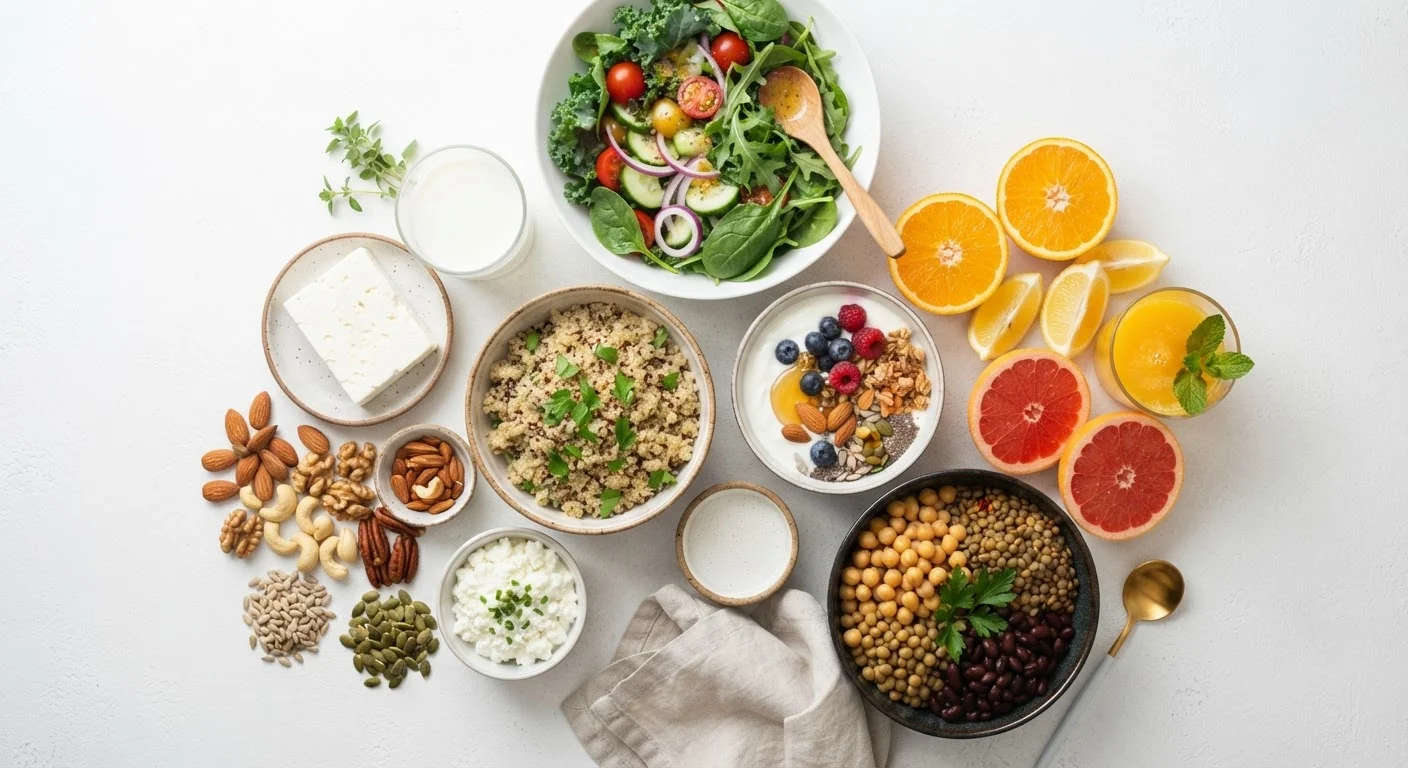
Photo: QuickAdvisor.net editorial
What Micronutrients Are - and Why They're Non-Negotiable
Unlike carbohydrates, protein, and fat, which supply energy in large quantities, micronutrients - vitamins and minerals - are needed in smaller amounts but are no less critical. The term "micro" refers to quantity, not importance. Your body depends on these compounds to run nearly every biological process, from converting food into energy to repairing DNA and mounting an immune response.
The defining feature of micronutrients is that your body either cannot synthesize them at all or cannot produce them in quantities sufficient for health. That means the only reliable source is your diet - or, when diet falls short, supplementation under appropriate medical guidance. For a deeper look at how vitamins and minerals differ from each other structurally and functionally, see our companion piece on vitamins vs. minerals.
| Two main categories | Vitamins (organic) and minerals (inorganic) |
| Vitamin types by storage | Fat-soluble (A, D, E, K) and water-soluble (C, B vitamins) |
| Most common U.S. shortfalls | Vitamin D, calcium, magnesium, potassium (USDA Dietary Guidelines Advisory Committee) |
| Best overall source | A varied, whole-food diet |
| High-risk group: plant-based diets | May need B12, iron, zinc, iodine monitoring |
| Iron absorption tip | Pair plant-based iron with vitamin C to improve uptake |
Key Vitamins: What They Do and Where to Find Them
Vitamins are organic compounds divided into two groups based on how the body stores them. Fat-soluble vitamins (A, D, E, and K) accumulate in fatty tissue and the liver, meaning they can build up over time. Water-soluble vitamins (C and the eight B vitamins) are not stored in significant amounts and must be replenished regularly through food.
- Vitamin D supports calcium absorption, bone density, and immune function. Few foods contain it naturally; fatty fish, egg yolks, and fortified dairy are the main dietary sources. Sun exposure triggers synthesis in the skin, but many Americans - particularly those in northern latitudes or with darker skin tones - don't produce enough year-round.
- Vitamin B12 is essential for nerve function and red blood cell production. It occurs almost exclusively in animal products, making people who follow plant-based diets a higher-risk group for deficiency.
- Folate (B9) supports cell division and is especially critical during pregnancy for fetal neural tube development. Leafy greens, legumes, and fortified grains are good sources.
- Vitamin C acts as an antioxidant and is required for collagen synthesis and immune defense. Citrus fruits, bell peppers, and broccoli are among the richest sources.
- Vitamin A is needed for vision, skin integrity, and immune response. It appears as preformed retinol in animal foods (liver, dairy) and as provitamin A carotenoids in orange and dark-green vegetables.
Essential Minerals: Small Amounts, Large Consequences
Minerals are inorganic elements obtained from soil and water, entering the food supply through plants, animals, and fortified products. They're divided into macrominerals (needed in larger amounts, such as calcium, magnesium, and potassium) and trace minerals (needed in tiny amounts, such as iron, zinc, and iodine), though both categories are genuinely essential.
- Calcium is the most abundant mineral in the body, forming the structural basis of bones and teeth. It also plays a role in muscle contraction and nerve signaling. Dairy, fortified plant milks, tofu made with calcium sulfate, and leafy greens like bok choy are reliable sources.
- Iron carries oxygen in red blood cells. Heme iron from red meat and poultry absorbs more readily than non-heme iron from plant sources; pairing plant-based iron with vitamin C improves absorption meaningfully.
- Magnesium participates in over 300 enzymatic reactions, including energy production and blood sugar regulation. Nuts, seeds, whole grains, and legumes supply it well.
- Iodine is required for thyroid hormone production, which governs metabolism and development. Iodized salt and seafood are primary sources in the American diet.
- Zinc supports immune function, wound healing, and the senses of taste and smell. Oysters, beef, pumpkin seeds, and lentils are good sources.
Micronutrient
A vitamin or mineral required by the body in small quantities for normal physiological function. Unlike macronutrients, micronutrients do not supply calories but are essential for virtually every biological process.
Fat-soluble vitamin
Vitamins A, D, E, and K, which dissolve in fat and are stored in the body's fatty tissue and liver. Because they accumulate, excessive intake from supplements can potentially reach harmful levels over time.
Water-soluble vitamin
Vitamins C and the B-complex group, which dissolve in water and are not stored in significant amounts. They must be replenished regularly through food because excess is generally excreted in urine.
Trace mineral
A mineral the body requires in very small amounts - typically less than 100 mg per day - such as iron, zinc, selenium, and iodine. Despite the tiny quantities needed, deficiency can cause serious health consequences.
Bioavailability
The proportion of a nutrient that the body actually absorbs and can use after consumption. Bioavailability varies by food source, preparation method, and what other foods are eaten at the same time.
Recommended Dietary Allowance (RDA)
The average daily intake level of a nutrient sufficient to meet the needs of nearly all healthy individuals in a specific age and sex group, as established by the National Academies of Sciences, Engineering, and Medicine.
Deficiencies, Risk Groups, and Practical Next Steps
Micronutrient deficiencies are more common than many people realize. According to the USDA and national dietary surveys, a significant portion of Americans fall short of recommended intakes for vitamin D, calcium, magnesium, and potassium. Certain groups face elevated risk: older adults (B12, D, calcium), people who are pregnant (folate, iron, iodine), those following restrictive diets (B12, zinc, iron), and individuals with limited sun exposure or darker skin tones (vitamin D).
Deficiency symptoms can be subtle and easy to attribute to other causes - fatigue, brittle nails, slow wound healing, or frequent infections. If you notice patterns like these, certain symptoms can signal nutritional gaps worth discussing with a doctor. Testing, not guesswork, is the appropriate path to identifying and addressing any shortfall.
The most sustainable strategy is food-first: a varied diet built around whole foods naturally distributes a broad spectrum of micronutrients without the risk of excess that comes with high-dose supplementation. Even small, practical shifts in how you shop and cook can close common gaps. Nutritional needs also shift over time - priorities for calcium, iron, and B12 look different at different life stages. A registered dietitian or physician can help tailor guidance to your specific circumstances.
This article is for general informational and educational purposes only and is not a substitute for professional medical or nutritional advice. Consult a qualified healthcare provider before making significant changes to your diet or starting any supplement regimen.
The content on this site is for informational purposes only and is not a substitute for professional advice. Always consult a qualified professional for guidance specific to your situation.