
Lemon Laws: Which Vehicles Qualify and What You're Entitled To

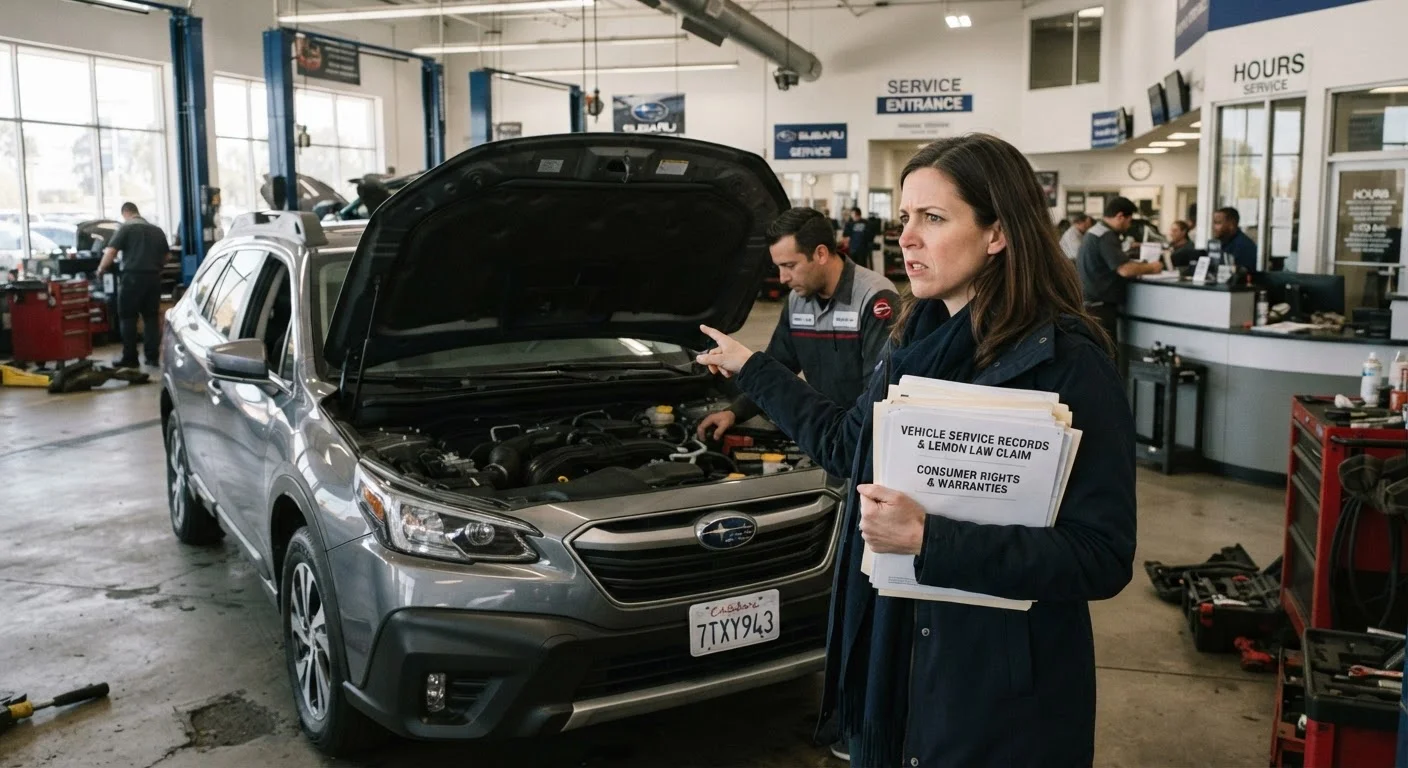
Photo: QuickAdvisor.net editorial
Key Takeaways
- Lemon laws apply primarily to new vehicles with substantial defects that impair use, value, or safety.
- Each state sets its own rules for how many repair attempts qualify a vehicle as a lemon.
- Qualifying consumers are generally entitled to either a replacement vehicle or a full refund.
- Most states require the manufacturer - not the dealer - to resolve the lemon law claim.
- Time and mileage limits apply, so acting quickly after repeated repair failures matters.
- Documentation of every repair attempt is essential to building a successful claim.
What Makes a Vehicle a 'Lemon'
Not every mechanical problem turns a car into a lemon in the legal sense. State lemon laws use specific criteria to determine whether a vehicle qualifies for relief - and understanding those criteria is the first step to knowing whether you have a viable claim.
The core requirements typically include:
- A substantial defect: The problem must meaningfully affect the vehicle's use, safety, or market value. Think recurring brake failures, chronic engine shutdowns, or persistent transmission issues - not a scratched trim panel or a sticky window.
- A reasonable number of repair attempts: The manufacturer or its authorized dealer must have had multiple chances to fix the defect and failed. Most states specify three to four attempts for the same problem, or a single attempt for a defect that poses serious safety risk.
- Days out of service: Many states also count cumulative time in the shop. If your vehicle has been unavailable for 30 or more days (not necessarily consecutive) during the coverage period, that can independently satisfy the threshold.
- Coverage window: Claims must generally be filed within a set period - commonly within the first one to two years of ownership or within a specific mileage limit, whichever comes first.
Understanding how these pieces fit together matters because missing one element can disqualify an otherwise valid claim. For broader context on what vehicle ownership involves legally and practically, see our guide on the full lifecycle of vehicle ownership.
50
States with lemon law statutes
All 50 U.S. states have enacted some form of lemon law, though coverage terms and remedies differ significantly from state to state.
30 days
Common out-of-service threshold
Many state laws recognize 30 cumulative days out of service within the coverage period as an independent basis for a lemon law claim.
3-4
Typical repair attempts required
Most states set the threshold at three to four failed repair attempts for the same defect before a vehicle may qualify as a lemon.
What You're Entitled To
When a vehicle meets your state's lemon law criteria, the law generally provides two primary remedies: a replacement vehicle of comparable value or a refund (buyback) of the purchase price.
A refund typically includes the original vehicle price, sales tax, registration fees, and finance charges - but most states allow the manufacturer to deduct a usage fee based on miles driven before you first reported the defect. This deduction varies by formula, so the net refund may be somewhat less than your total purchase price.
If you choose a replacement, the manufacturer is generally required to provide a substantially similar vehicle at no additional charge. You are not obligated to accept a replacement if you prefer the refund, though some arbitration programs may influence the outcome.
It's also worth noting that many state lemon laws and the federal Magnuson-Moss Warranty Act allow consumers who prevail in a dispute to recover attorneys' fees from the manufacturer. This provision exists specifically to reduce the financial barrier to asserting your rights. For a deeper look at how warranty language intersects with these protections, the article on decoding warranty terms covers what to watch for in the fine print.
Keep a Paper Trail From Day One
How to Build and File Your Claim
A lemon law claim lives or dies on documentation. From the moment your vehicle shows signs of a recurring problem, every service visit should generate a written repair order. Keep every copy - the date, the described complaint, what was done, and how long the vehicle was held all become evidence.
The general process follows these steps:
- Notify the manufacturer in writing. Most states require formal written notice to the manufacturer (not just the dealership) before a claim can proceed. Send it via certified mail so you have proof of delivery.
- Allow a final repair attempt. Some states require you to give the manufacturer one last opportunity to fix the defect after notice is served.
- Pursue arbitration or litigation. Many manufacturers operate arbitration programs, and some states require consumers to use them before filing in court. Arbitration outcomes are sometimes binding on the manufacturer but not on you, meaning you may still pursue legal action if dissatisfied.
- File within deadlines. Lemon law claims are time-sensitive. Waiting too long after the coverage period expires can forfeit your right to relief.
Consumers unfamiliar with the landscape of legal protections often make avoidable missteps. The article on what new shoppers get wrong about their legal protections outlines common errors worth avoiding. For the terminology you'll encounter - including references to the Magnuson-Moss Act - key consumer protection terms provides a practical glossary.
This article is for general informational and educational purposes only and does not constitute legal advice. Laws vary by state and individual circumstances differ. Consult a qualified attorney for guidance specific to your situation.
Frequently Asked Questions
The content on this site is for informational purposes only and is not a substitute for professional advice. Always consult a qualified professional for guidance specific to your situation.