
The Full Lifecycle of Vehicle Ownership, Explained

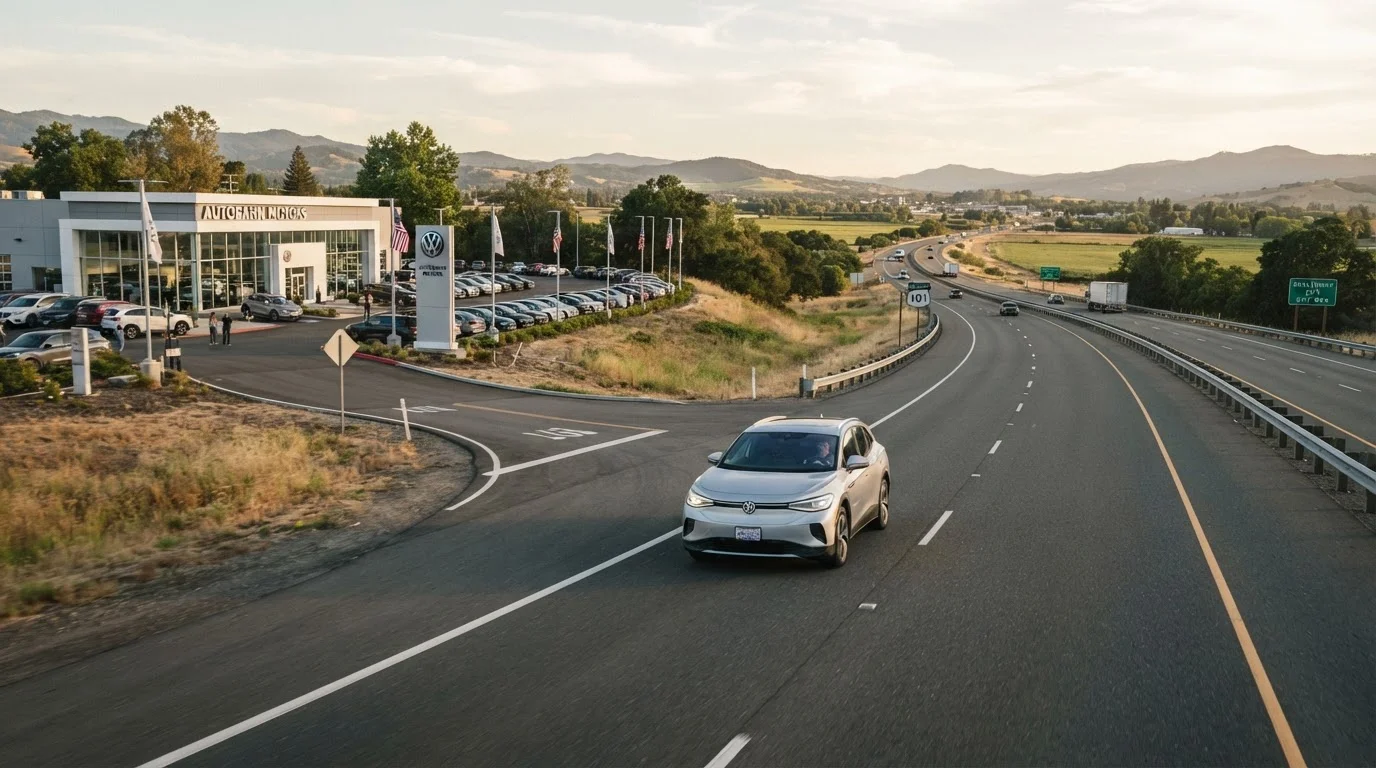
Photo: QuickAdvisor.net editorial
Key Takeaways
- Vehicle ownership follows six predictable stages, each with its own costs and decisions.
- Understanding total cost of ownership - not just the sticker price - is essential from the start.
- Routine maintenance according to manufacturer schedules is the single biggest factor in vehicle longevity.
- The repair-versus-replace decision in mid-life ownership is often more nuanced than it first appears.
- Whether buying, leasing, or trading in, each exit path has distinct financial and logistical implications.
Stage 1: Research and the Acquisition Decision
Every vehicle ownership journey begins before you ever sit in a driver's seat. The research phase is where you define what you actually need - not just what appeals to you on a showroom floor. Key questions include how many miles you drive annually, what cargo or passenger capacity you require, and what your realistic total budget looks like across the full ownership period.
One of the most important early decisions is whether to lease or buy. These paths carry fundamentally different financial structures, flexibility trade-offs, and long-term implications. See our breakdown of leasing vs. buying to weigh those trade-offs against your specific situation.
New versus used is another fork in the road. New vehicles come with manufacturer warranties and the latest safety features but depreciate fastest in the first few years. Used vehicles offer a lower entry price but require careful inspection of service history and condition. Neither is universally superior - the right answer depends on your financial position and risk tolerance.
Before committing to any vehicle, run the numbers on at least three years of projected ownership costs, not just the monthly payment. Include insurance quotes, average fuel costs for your actual commute, and the manufacturer's scheduled maintenance intervals.
When evaluating a used vehicle, request a vehicle history report and cross-reference it with a hands-on inspection from a trusted independent mechanic - not the selling dealer's service department.
Stage 2: The Purchase or Lease Process
Once you've narrowed your choice, the transaction itself involves more moving parts than most first-time buyers expect. Test drives should cover a variety of conditions - highway merging, city stop-and-go, and parking - not just a brief loop around the block. A pre-purchase inspection by an independent mechanic is standard practice for used vehicles and can surface issues that aren't visible to the untrained eye.
Financing terms, including the annual percentage rate (APR) and loan duration, significantly affect the true cost of the vehicle. Longer loan terms reduce monthly payments but increase total interest paid. Gap insurance - which covers the difference between what you owe and what the vehicle is worth if it's totaled - is worth understanding before you sign.
~$12,000
Average annual cost of vehicle ownership
According to AAA's annual "Your Driving Costs" study, the average cost of owning and operating a new vehicle in the U.S. includes fuel, maintenance, insurance, depreciation, and financing.
~50%
Depreciation in first three years
Industry data consistently shows that new vehicles lose roughly 40-50% of their original value within the first three years, with the steepest drop occurring in year one.
Registration, title fees, sales tax, and dealer documentation fees add to the out-the-door price. These vary by state and can amount to several thousand dollars beyond the negotiated sale price. Factor them in before finalizing your budget.
Stage 3: Early Ownership - The Break-In Period
The first few months of ownership set the tone for the vehicle's long-term health. Many modern engines don't require a formal break-in period the way older ones did, but manufacturers often recommend avoiding sustained high RPMs and heavy towing for the first 500 to 1,000 miles. Your owner's manual - frequently overlooked - is the authoritative source on this. Our guide to using your owner's manual effectively explains how to get the most from it.
Early ownership is also the moment to establish a service baseline: confirm that all fluids are at correct levels, verify tire pressure and condition, and register the vehicle with the manufacturer if required to activate warranty coverage. Setting up a simple maintenance log - digital or paper - pays dividends for years.
Stage 4: Routine Maintenance and Ongoing Costs
The middle years of ownership are defined by a rhythm of scheduled maintenance. Oil changes, tire rotations, brake inspections, filter replacements, and fluid flushes aren't arbitrary - they're based on engineering data about wear rates and failure thresholds. Skipping or delaying these intervals is one of the leading causes of avoidable, costly repairs.
If you're new to managing a vehicle's service schedule, our first-time car owner's maintenance primer walks through the essential habits and terminology. And because purchase price is only the beginning, it's worth consulting our analysis of ongoing ownership costs most people underestimate - insurance, fuel, registration renewals, and unplanned repairs all compound over time.
Safe driving habits also belong in this stage. Consistent awareness behind the wheel reduces wear on components and the risk of collision damage. The Driving & Safety hub covers practical guidance for everyday road situations.
Stage 5: Mid-Life Decisions - Repair, Keep, or Move On
Most vehicles hit an inflection point somewhere between 80,000 and 150,000 miles where repair costs begin to increase. The core question becomes whether continued maintenance spending is justified relative to the vehicle's remaining useful life and current market value.
A useful rule of thumb: if cumulative anticipated repair costs over the next 12 months approach or exceed the vehicle's current market value, selling or trading may be financially rational. However, this calculation must also account for what a replacement vehicle would cost - including financing - and whether the existing vehicle's reliability record warrants continued investment.
This is also when extended warranties or vehicle service contracts sometimes enter the picture. Read the fine print carefully; coverage exclusions and deductibles vary enormously. For a broader framework on thinking through long-term value versus upfront cost, see our total cost of ownership guide.
Don't Rely on Mileage Alone to Decide
Stage 6: Exit - Trade-In, Sale, or End of Lease
Every vehicle eventually reaches its exit point. For buyers, this is either a private sale, dealer trade-in, or - in some cases - donating the vehicle. Private sales typically yield more money but require more effort: advertising, screening buyers, handling paperwork, and managing test drives. Trade-ins are more convenient but dealers generally offer below-market value to account for their resale margin.
If you leased the vehicle, the end-of-lease process involves a formal inspection for excess wear, mileage overage charges if applicable, and a decision: return the vehicle, purchase it at the pre-agreed residual value, or roll into a new lease. Understanding these terms before signing the original lease agreement prevents unwelcome surprises at turn-in.
Regardless of exit path, clear the vehicle of personal items, gather all service records (they support resale value), and cancel or transfer insurance promptly. The moment title transfers or the lease is returned, your ownership lifecycle closes - and the next one may already be beginning.
Vehicle ownership is not a single transaction. It's a multi-year relationship with predictable phases, each carrying its own decisions and costs. Recognizing where you are in that lifecycle - and planning accordingly - puts you in a measurably stronger position at every stage.
The content on this site is for informational purposes only and is not a substitute for professional advice. Always consult a qualified professional for guidance specific to your situation.