
Feature Creep: When More Options Mean a Worse Product

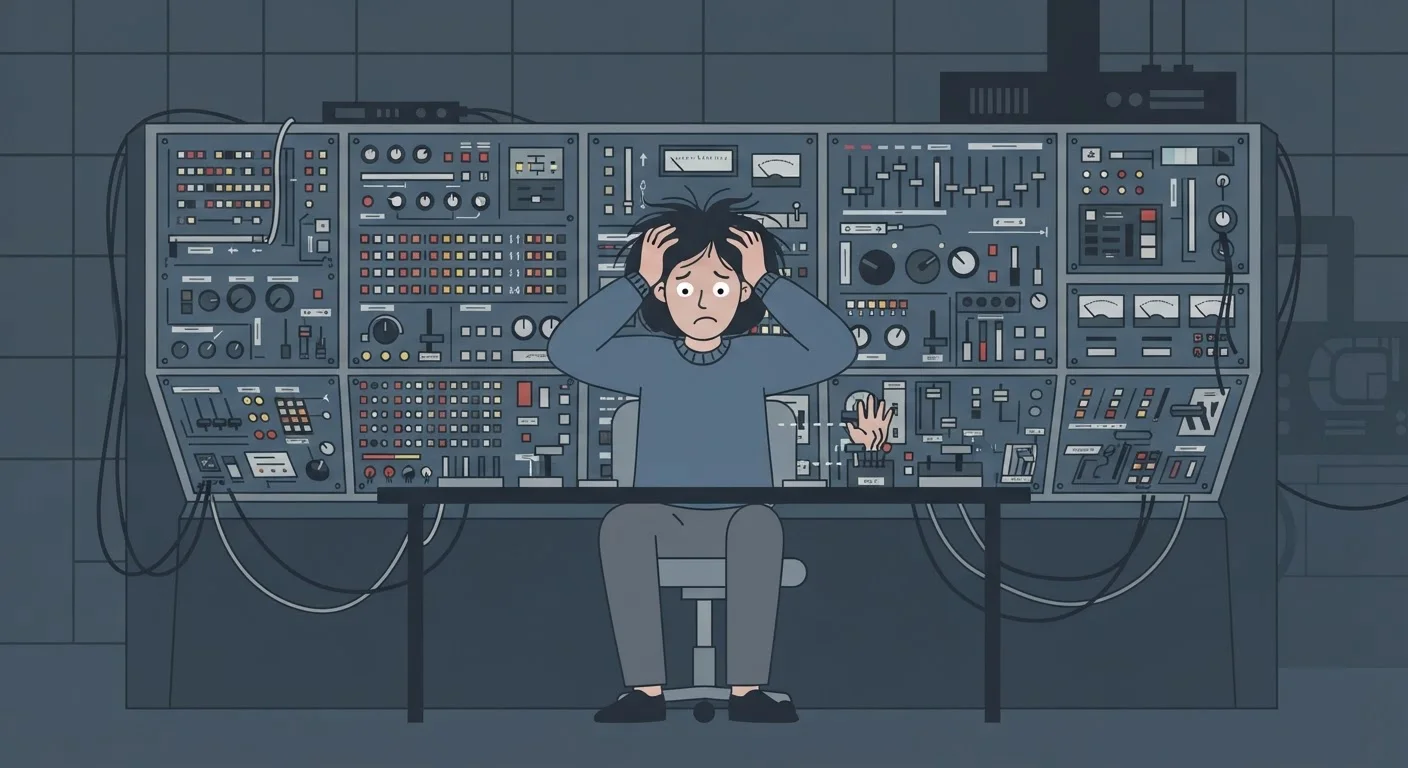
Photo: QuickAdvisor.net editorial
Key Takeaways
- More features on a spec sheet don't automatically mean better performance or value.
- Feature-heavy products tend to have more failure points and steeper learning curves.
- Manufacturers add features partly to justify price increases, not always to improve usefulness.
- The best-designed products solve a core job well - extra features should serve that job, not overshadow it.
- Asking 'which features will I actually use?' before buying is one of the most practical filters available.
Why Feature Lists Can Mislead Shoppers
Walk into any electronics aisle - or scroll through any product listing - and you'll see spec sheets stacked with bullet points. Brands know that longer feature lists look more impressive at a glance. This is a deliberate marketing strategy, not a signal of genuine superiority.
The problem is that most shoppers evaluate products by counting features rather than assessing whether those features solve their actual problem. Manufacturers exploit this tendency. A blender with 14 speed settings sounds better than one with 3, even if most users will only ever use two or three settings and the motor quality is identical.
Feature creep exploits a cognitive shortcut - the assumption that more equals better. Breaking that habit starts with knowing how to read a spec sheet critically rather than taking it at face value.
64%
Features never used by average software users
A widely cited analysis by the Standish Group found that roughly 64% of software features are rarely or never used by the people the product was built for.
45%
Increase in defect risk per added module
Software engineering research has documented that code complexity - driven by feature additions - correlates strongly with higher defect rates and maintenance costs.
The Real Costs of Too Many Features
Feature-heavy products carry real, measurable downsides that rarely appear in the marketing copy.
Reliability Drops
Every additional component - whether hardware or software - is a potential point of failure. A dishwasher with a built-in Wi-Fi module and a touch-screen panel has more electronics that can fail than a model with a simple dial. More complexity means more service calls and shorter useful lifespans in many product categories.
Usability Suffers
When a product tries to do everything, it often does nothing particularly well. Research in human-computer interaction consistently shows that cognitive overload - being presented with too many choices - causes users to make worse decisions or give up entirely. A TV remote with 60 buttons is the classic example: most users disable or ignore the majority of them.
Core Performance Gets Deprioritized
Engineering resources aren't infinite. When a development team spends time building and testing marginal features, the core function of the product often receives less attention. A camera app loaded with AI filters may have a worse base photo algorithm than a simpler competitor that focused engineering effort on image processing fundamentals.
How to Evaluate Features Before You Buy
The antidote to feature creep isn't reflexive minimalism - it's intentional evaluation. Use this straightforward framework before committing to any significant purchase.
- Define your core job. What is the one or two things this product absolutely must do well? Write it down before you start browsing.
- Filter features against that job. For each listed feature, ask: does this directly support the core job, or is it a nice-to-have that sounds good on paper?
- Identify the failure points each feature adds. More sensors, motors, and software modules mean more things that can break. Weight each addition against its real-world benefit for you.
- Check real-user reviews for usability complaints. Features that frustrate users in practice will show up in reviews - look for patterns, not single opinions.
For a fuller evaluation framework, the structured buying framework covers these steps in more depth across any product category. You can also look for the hallmarks of genuinely well-designed products to distinguish thoughtful engineering from feature padding.
Use the 'Day 30' Test Before Buying
Feature Creep Across Product Categories
Feature creep isn't confined to consumer electronics. It shows up across nearly every category of product.
Vehicles: Modern dashboards increasingly bundle infotainment systems, driver-assistance modes, and connectivity features that add interface complexity. Understanding which safety-relevant features are meaningful versus which are convenience add-ons is important - the driving and safety hub offers context for evaluating what actually matters behind the wheel.
Kitchen appliances: Multi-cookers and smart ovens now offer dozens of preset modes, but consumer feedback frequently shows that most owners use only two or three. The extra modes add cost and more software to maintain.
Software and apps: Subscription software is a well-documented case - feature bloat often follows acquisition or competitive pressure, turning once-simple tools into cluttered platforms that slow down everyday tasks.
Across all these categories, the pattern is the same: features accumulate for competitive and commercial reasons, not because users asked for them or benefit from them. Being a sharper shopper means recognizing that pattern for what it is. The Smarter Spending hub has additional strategies for cutting through marketing noise and making purchases you won't regret.
And when a product's claims start to sound too comprehensive to be true, understanding how misleading product claims are constructed gives you the tools to push back.
Frequently Asked Questions
The content on this site is for informational purposes only and is not a substitute for professional advice. Always consult a qualified professional for guidance specific to your situation.