
Cash, Debit, or Credit: How Your Payment Method Shapes What You Spend

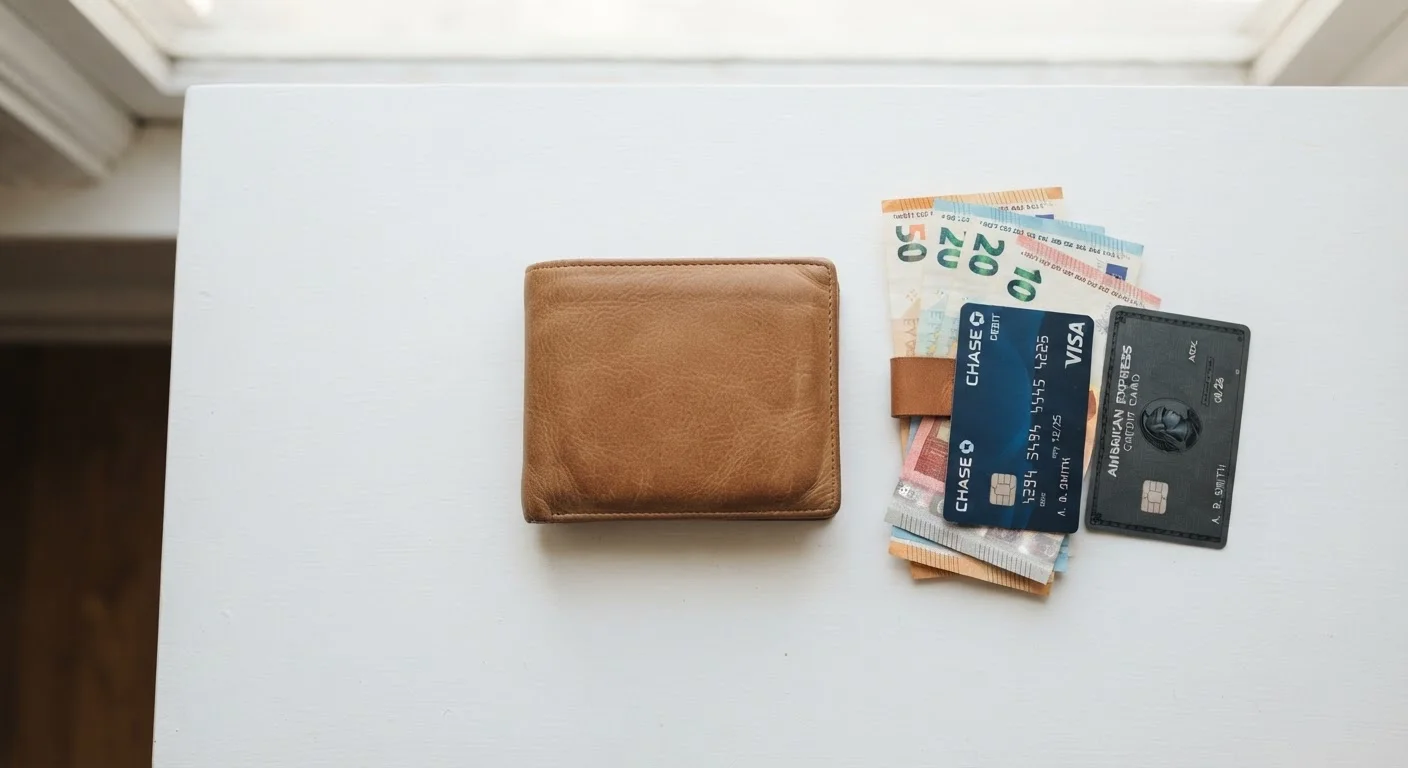
Photo: QuickAdvisor.net editorial
Key Takeaways
- People tend to spend more when paying by card than with cash, a pattern documented in consumer behavior research.
- Debit cards carry similar overspending risks to credit cards but lack most consumer protections like chargeback rights.
- Credit cards offer strong fraud protection and potential rewards, but only benefit users who pay balances in full.
- Matching your payment method to the purchase type - not habit - is a more intentional strategy.
- No single payment method is universally superior; the right choice depends on your financial habits and goals.
The Behavioral Gap Between Payment Methods
The way you pay isn't just a logistical choice - research in consumer psychology consistently shows it influences how much you actually spend. The core mechanism is what behavioral economists call the "pain of paying." Handing over physical cash triggers a stronger emotional response than swiping a card because the loss feels immediate and concrete. Digital transactions, by contrast, are abstract - the money doesn't feel "gone" in the same way.
A well-cited line of research, including work by MIT Sloan professors Drazen Prelec and Duncan Simester, found that people are willing to spend significantly more for the same item when paying by credit card versus cash. While specific figures vary across studies and contexts, the directional finding has been replicated across different purchase categories. This isn't a character flaw - it's a predictable response to how our brains process abstract versus tangible loss. Understanding it puts you in a better position to work around it. See how impulse buying psychology compounds this effect at the point of sale.
| Cash | Debit Card | Credit Card | |
|---|---|---|---|
| Overspending risk | Lowest - hard limit on spend | Moderate - digital abstraction applies | Highest - no immediate loss signal |
| Fraud protection | None - no recourse if stolen | Limited - narrower reporting window | Strongest - FCBA liability limits apply |
| Purchase dispute rights | None | Limited under EFTA | Chargeback rights under FCBA |
| Debt risk | Zero | Zero | High if balance not paid in full |
| Online usability | Not usable | Fully usable | Fully usable |
| Transaction records | Manual only | Automatic via bank | Automatic via issuer |
| Potential rewards | None | Minimal to none | Points, cash back (varies by card) |
Cash: Built-In Discipline, Real Limitations
Paying with cash creates a hard spending ceiling - you can only spend what you're carrying. That physical constraint is its most powerful feature. Budget-conscious shoppers who switch to cash envelopes for discretionary categories like groceries or dining often report it helps them stay on track, not because of willpower, but because the feedback loop is instant and visible.
The downsides are real, though. Cash offers zero fraud protection if stolen. It's impractical for online purchases. And it provides no transaction record unless you keep one manually. For large purchases - appliances, travel bookings, contractors - cash forfeits meaningful consumer protections that cards provide. The chargeback process that credit cards offer simply doesn't exist with cash.
Try the Cash Envelope Test for One Month
Debit Cards: The Middle Ground With a Hidden Cost
Debit cards feel like the responsible compromise - you're spending money you already have, so there's no debt risk. But behavioral research suggests debit spending more closely mirrors credit card spending than cash spending, because the transaction is still digital and the feedback is still abstract.
The more significant limitation is consumer protection. Debit cards are regulated under the Electronic Fund Transfer Act, which provides some fraud recourse - but the window for reporting unauthorized charges is narrower and the liability rules are less favorable than those governing credit cards under the Fair Credit Billing Act. If something goes wrong with a purchase - a merchant doesn't deliver, a charge is duplicated - your options with a debit card are more limited than most people realize. Recurring small charges linked to debit accounts can also be harder to track and dispute efficiently.
Credit Cards: Strongest Protections, Highest Risk if Misused
Used responsibly, credit cards offer the most consumer-favorable payment structure available. Federal law under the Fair Credit Billing Act limits your liability for unauthorized charges to $50, and most major issuers apply zero-liability policies voluntarily. Chargebacks give you a formal dispute mechanism when merchants fail to deliver. Many cards extend purchase protection or warranties on eligible items.
The problem is the behavioral one: credit cards are the payment method most associated with overspending. If you're carrying a balance month to month, interest charges can quickly erode any value the card provides. The discipline required to use credit cards advantageously - paying the full statement balance each billing cycle - is the same discipline that makes other payment methods work well too. For readers still working on the fundamentals, starting with a basic budget framework is a more useful first step than optimizing payment methods. Also worth noting: common overpaying patterns often accelerate when credit makes the cost feel distant.
Building a Deliberate Payment Strategy
Rather than picking one method and defaulting to it, consider matching payment type to purchase context. Cash or debit works well for discretionary, in-person categories where overspending is a personal pattern. Credit tends to make more sense for large purchases, online transactions, travel bookings, or recurring bills - where protection and records matter more than behavioral friction.
Reviewing your spending by payment method periodically is also useful. If your debit or credit statement shows accumulated subscriptions or categories that consistently run over, the payment method may be making it easier to avoid noticing. The goal isn't to eliminate one method entirely - it's to pay with enough intention that your spending reflects actual priorities rather than whatever was most frictionless in the moment. Pairing this with a pay-yourself-first savings habit can reinforce the whole system.
The content on this site is for informational purposes only and is not a substitute for professional advice. Always consult a qualified professional for guidance specific to your situation.