
Baseball's Infield Fly Rule, the Shift, and Other Rules That Confuse Everyone

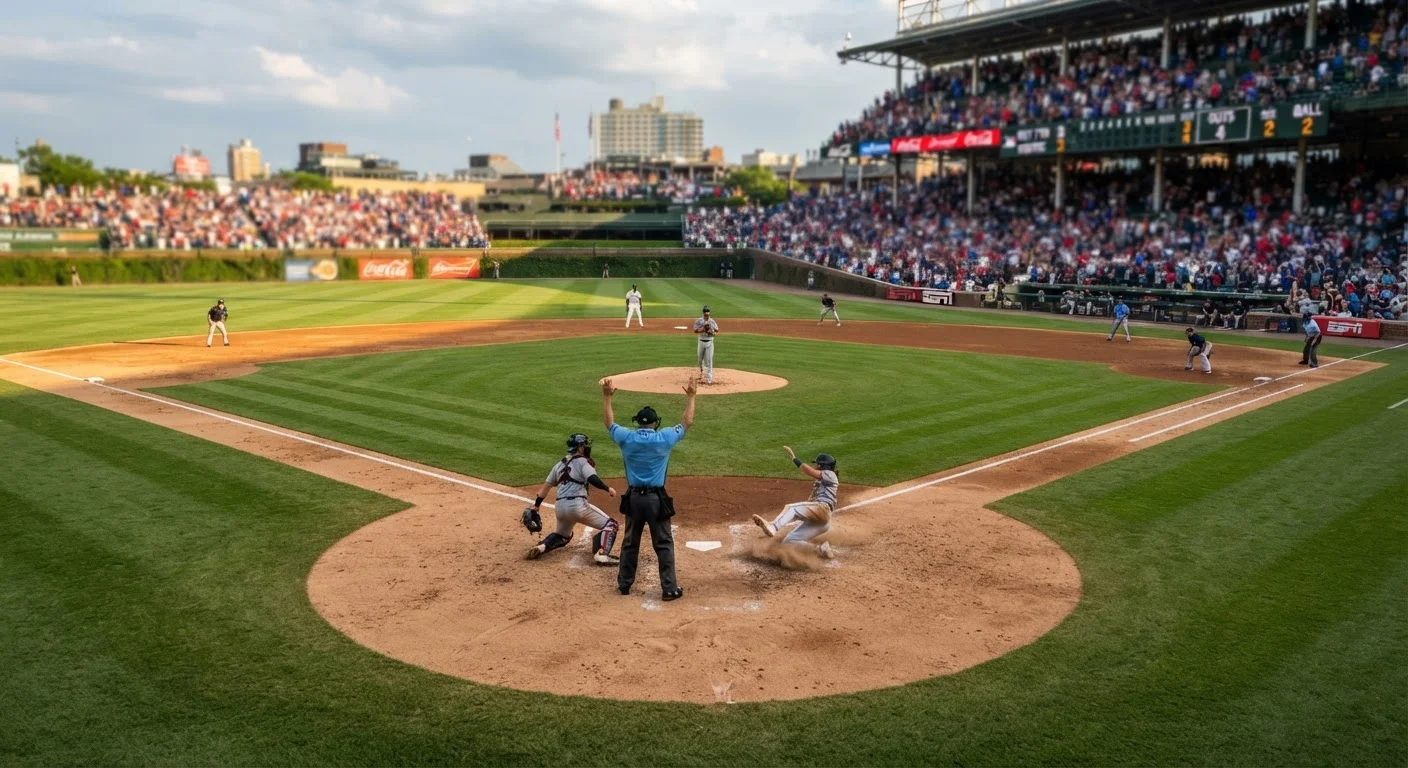
Photo: QuickAdvisor.net editorial
Key Takeaways
- The Infield Fly Rule protects baserunners from deliberate dropped balls - it is called by the umpire, not automatic.
- MLB's shift restrictions, introduced in 2023, require two infielders on each side of second base before each pitch.
- A batter can reach first base on a dropped third strike only under specific conditions most fans overlook.
- Interference and obstruction are two distinct calls with different consequences, despite sounding interchangeable.
- The infield fly rule applies only with runners on first and second (or bases loaded) and fewer than two outs.
Why Baseball's Rulebook Trips Up Even Longtime Fans
Baseball has been played professionally in the United States for well over a century, yet its Official Rules - a dense document running to dozens of pages - still generate confusion in stadiums and living rooms every season. Part of the reason is that many rules exist to prevent deliberate exploitation of the game's geometry, so they only activate in very specific situations. If you've ever turned to the person next to you during a play and asked "wait, why isn't he out?" - you're in good company.
This guide targets the calls that generate the most genuine bewilderment: the Infield Fly Rule, the defensive shift restrictions, the dropped third strike, and the difference between interference and obstruction. For a broader look at how to read what's happening between pitches, see our beginner's guide to watching baseball.
Myth
The Infield Fly Rule is automatically in effect whenever there's a pop-up in the infield.
Fact
The rule only applies under specific conditions and must be verbally declared by the umpire.
The Infield Fly Rule activates only when there are runners on first and second base, or bases loaded, with fewer than two outs - and only on a fair fly ball that an infielder can catch with ordinary effort. The umpire must call "Infield Fly" (sometimes adding "batter's out") for the rule to take effect. Its purpose is to prevent an infielder from deliberately dropping a pop-up to create a cheap double play. When called, the batter is automatically out regardless of whether the ball is actually caught, and baserunners may advance at their own risk.
Myth
A batter is always out on a third strike, no matter what the catcher does.
Fact
If the catcher fails to catch the third strike cleanly, the batter may attempt to run to first base - but only under certain conditions.
The dropped (or uncaught) third strike rule is one of baseball's most surprising plays for casual viewers. If the catcher does not cleanly catch a third strike, the batter becomes a baserunner and must be thrown out at first base - unless first base is already occupied with fewer than two outs, in which case the batter is simply out. With two outs, the batter may always attempt to run on an uncaught third strike regardless of whether first base is occupied. The play dates to baseball's earliest codified rules and reflects the game's roots in a time when every out had to be actively earned.
Myth
Fielders can legally position themselves anywhere on the field before a pitch.
Fact
Since the 2023 MLB season, all four infielders must be positioned within the infield and two on each side of second base before each pitch.
For decades, teams shifted freely - stacking three or four infielders on one side of the infield against certain left-handed hitters with predictable pull tendencies. MLB's 2023 rule change ended that practice at the major league level. The regulation requires all infielders to have both feet on the infield dirt and to be divided equally on either side of second base prior to each pitch. Outfielders remain unrestricted in their positioning. The change was one of several pace-of-play and competitive balance reforms introduced that season, alongside the pitch clock and larger bases.
Myth
Interference and obstruction mean the same thing - a player getting in another player's way.
Fact
They are opposite calls: interference is an offensive violation; obstruction is a defensive violation.
The terms sound almost interchangeable but carry distinct meanings in the rulebook. Interference occurs when an offensive player (batter, baserunner, or even a dugout member) hinders a fielder attempting to make a play. It typically results in the offending player being called out. Obstruction occurs when a fielder - without possession of the ball - impedes a baserunner's progress. Under obstruction, the umpire awards the runner the base they would reasonably have reached. A famous example: if a catcher blocks home plate without the ball, it is obstruction. Fan interference, where a spectator reaches onto the field and touches a live ball, is a separate but related situation the umpire handles with significant discretion.
Myth
A baserunner must always tag up and wait for a fly ball to be caught before advancing.
Fact
Tagging up is only required if the runner wants to advance after a caught fly ball; runners may leave the base as soon as the ball is touched by a fielder.
Many fans believe runners must freeze on the base until a fly ball is fully caught. In reality, the rule is about returning: if a fly ball is caught, a runner must retouch their original base before advancing - this is "tagging up." However, a runner may legally leave the base before the catch; they simply must return to it (or risk being doubled off) if the ball is caught. Critically, under the rules, runners may begin their advance the moment a fielder first touches the ball, not after the catch is secured. This distinction matters most on sacrifice fly attempts at home plate.
The Shift, Obstruction, and Why Rules Often Have Deeper Origins
Every confusing rule has a backstory rooted in competitive pressure. The defensive shift - positioning multiple fielders on one side of the infield - was legal for most of baseball's history, but its aggressive modern use prompted MLB to mandate in 2023 that all four infielders must have both feet in the infield dirt, with two positioned on each side of second base, before each pitch is delivered. The rule was designed to restore more balls-in-play hits and reduce the strategic advantage of shifting heavily against left-handed pull hitters.
2023
Year MLB's shift restriction took effect
MLB introduced mandatory infield positioning rules as part of a broader set of rule changes for the 2023 regular season.
~29%
Increase in batting average on balls in play after shift ban
According to early MLB analyses, batting average on balls in play showed a modest but measurable uptick following the 2023 infield shift restrictions.
Obstruction and interference are two rules that fans routinely conflate. Interference is committed by the offensive team - a batter, runner, or fan - impeding a fielder's ability to make a play. Obstruction is committed by the defensive team - a fielder impeding a baserunner's progress without possessing the ball. The consequences differ: interference typically results in an out, while obstruction usually awards the runner the base they would have reached. Confusing sports vocabulary is a broader challenge - our guide to easily confused sports terms covers similar traps across multiple sports.
Baseball is far from alone in having rules that reward close reading. If you're curious how other sports handle complex officiating, basketball's foul and violation system is another instructive comparison. And if you want to understand how the game arrived at these rules historically, the true origins of baseball offer useful context.
This article is intended for general informational and educational purposes. Rule interpretations can vary by league level; always consult official MLB rules or qualified officials for authoritative rulings.
The content on this site is for informational purposes only and is not a substitute for professional advice. Always consult a qualified professional for guidance specific to your situation.