
Basketball Fouls, Violations, and Turnovers: What Each One Means

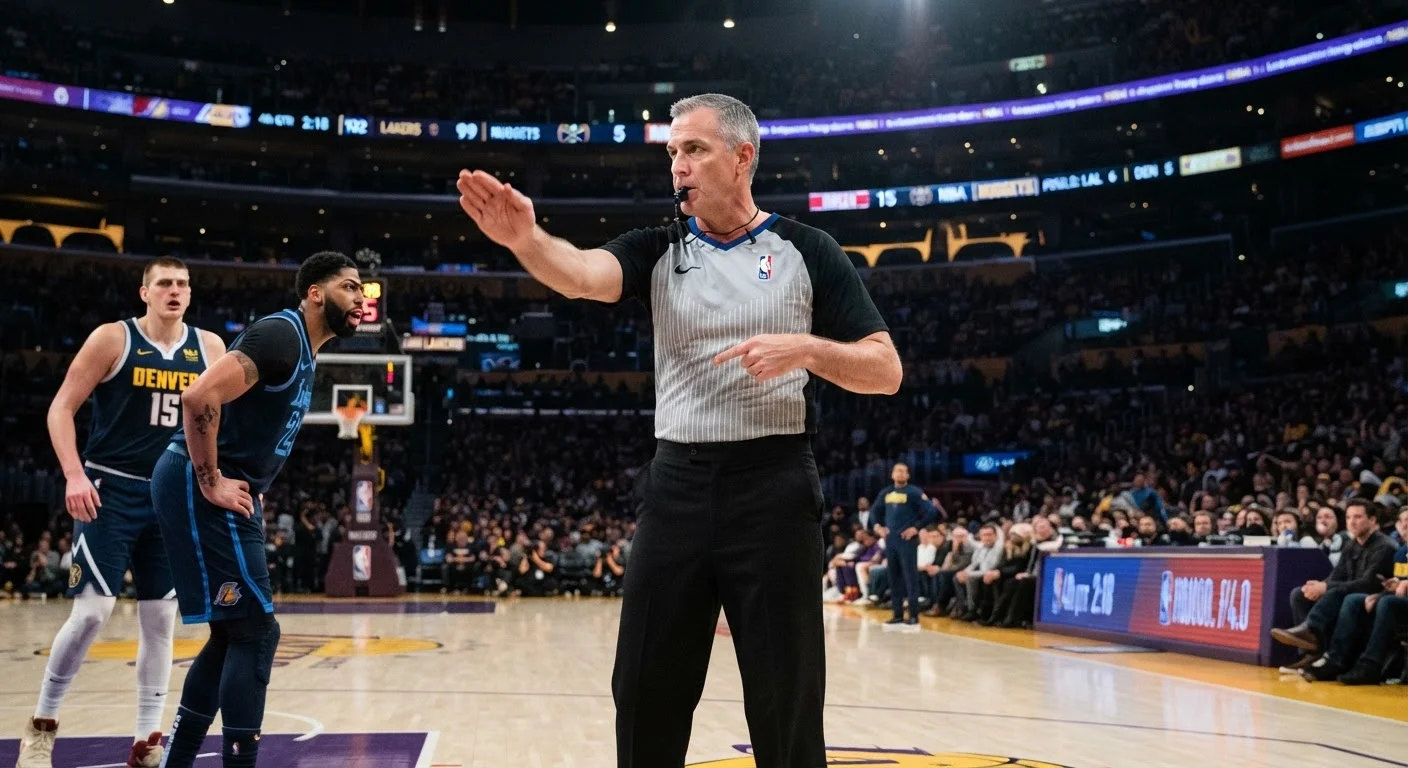
Photo: QuickAdvisor.net editorial
The Three Categories Every Fan Should Know
When a referee blows the whistle during an NBA game, the stoppage falls into one of three buckets: a foul, a violation, or a turnover. These are related but distinct concepts, and mixing them up is one of the most common points of confusion for newer fans.
| Personal fouls before disqualification (NBA) | 6 (NBA Official Rules) |
| Shot clock duration (NBA) | 24 seconds (NBA Official Rules) |
| Technical fouls before ejection (NBA) | 2 (NBA Official Rules) |
| Average turnovers per team per game (NBA) | ~13-15 (NBA historical statistics, multi-season average) |
| Team fouls before bonus free throws (NBA, per quarter) | 5 (NBA Official Rules) |
A foul involves illegal physical contact or unsportsmanlike conduct. A violation is a rules infraction that doesn't involve contact - like stepping out of bounds or taking too many steps. A turnover is when the offensive team loses possession of the ball, often as the result of a violation, a bad pass, or a steal - but not always caused by a whistle at all.
For a broader look at how confusing sports terminology works across different games, see our guide to easily confused sports terms.
Fouls: Personal, Technical, and Flagrant
The most frequently called foul is the personal foul - illegal contact initiated against an opponent, such as hitting a shooter's arm or pushing someone off the ball. Each player is allowed six personal fouls in the NBA before they are disqualified from the game ("fouled out"). When a team accumulates five team fouls in a quarter, opponents shoot free throws on every subsequent foul - a state called the bonus.
A technical foul is assessed for misconduct rather than physical contact: arguing with officials, delay of game, or having too many players on the court. The opposing team shoots one free throw and retains possession. Two technicals in a game means automatic ejection.
A flagrant foul involves unnecessary or excessive contact. Flagrant 1 (unnecessary contact) results in two free throws plus possession. Flagrant 2 (excessive contact) adds an immediate ejection. These calls are often reviewed by officials using instant replay.
Personal Foul
Illegal physical contact by one player against an opponent. In the NBA, six personal fouls result in disqualification from the game.
Technical Foul
A foul assessed for unsportsmanlike conduct or procedural violations rather than physical contact. Results in one free throw for the opposing team.
Flagrant Foul
A foul involving unnecessary or excessive contact. Flagrant 2 fouls result in immediate player ejection in addition to free throws and possession.
Traveling
A violation called when a player moves their pivot foot illegally or takes too many steps without dribbling. Results in a turnover.
Shot-Clock Violation
Failure to attempt a shot that contacts the rim within the allotted shot-clock window (24 seconds in the NBA). Results in a turnover.
The Bonus
The game state reached when a team accumulates enough team fouls in a period that opponents are awarded free throws on every subsequent foul, regardless of the type.
Backcourt Violation
A violation in which the offensive team returns the ball to their own half of the court after crossing the midcourt line. Causes a turnover.
Turnover
Any situation in which the offensive team loses possession of the ball before a shot attempt, whether from a violation, a steal, or an errant pass.
Common Violations: Traveling, Double-Dribble, and Shot Clock
Traveling is called when a player moves their pivot foot illegally or takes too many steps without dribbling. It's one of the most debated calls in basketball because the rules allow a "gather step" before a player begins their two permitted steps toward the basket - a nuance that confuses even veteran fans.
Double-dribble occurs when a player dribbles, picks up the ball, and then dribbles again - or dribbles with both hands simultaneously. Possession is awarded to the defense.
The shot-clock violation (24 seconds in the NBA) is called when the offense fails to attempt a shot that contacts the rim within the allotted time. This rule, introduced in 1954, transformed professional basketball by eliminating stall tactics. A backcourt violation happens when the offensive team, after crossing half-court, returns the ball to their own half. These violations result in a turnover - no free throws are awarded.
If you enjoy decoding rules that seem arbitrary at first glance, our breakdown of baseball's most confusing rules applies the same logic to another sport.
Turnovers: When Possession Changes Without a Score
A turnover is recorded any time the offensive team loses the ball before attempting a shot. Turnovers can result from violations (like traveling or a five-second inbound violation), from fouls in certain contexts, or from live-ball events: a steal, an errant pass that goes out of bounds, or a player stepping on the sideline while holding the ball.
In the NBA, teams average roughly 13-15 turnovers per game. High-turnover games often swing momentum dramatically, which is a central reason late-game strategy looks so different from early quarters - a topic explored in depth in our article on why basketball games are decided in the final two minutes.
Not every turnover comes with a whistle. A clean steal or a ball knocked out of bounds by a defender is a turnover without any infraction - the officials simply signal the direction of the new possession, and play resumes quickly.
This article is for general informational and educational purposes only. Rules may vary between the NBA, college basketball (NCAA), and international play (FIBA). Always refer to the official rulebook of the relevant governing body for authoritative rule interpretations.
The content on this site is for informational purposes only and is not a substitute for professional advice. Always consult a qualified professional for guidance specific to your situation.