
Immersive Travel Experiences Worth Planning Around

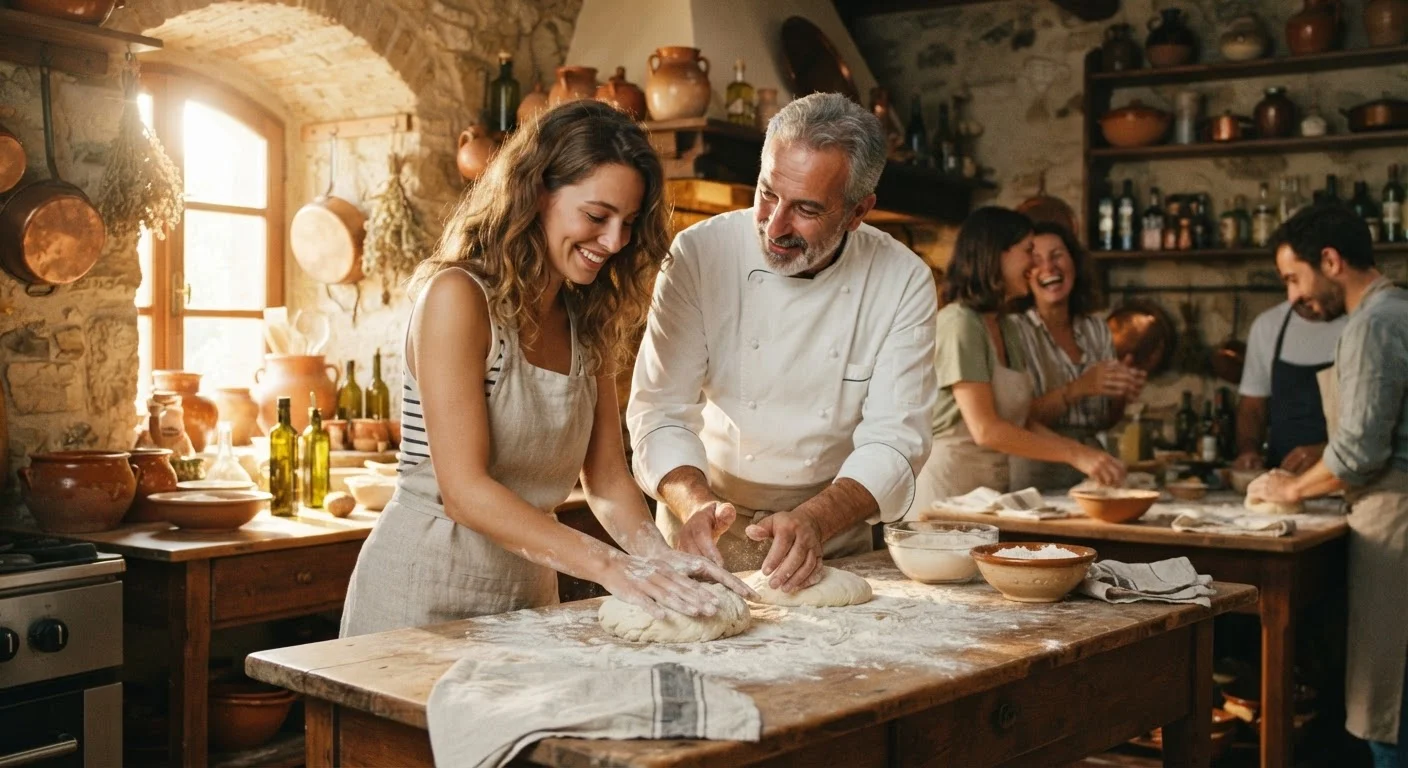
Photo: QuickAdvisor.net editorial
Key Takeaways
- Immersive travel formats like craft apprenticeships and cooking classes create deeper memories than passive sightseeing.
- Planning around a central experience - not just a destination - often shapes more meaningful trips.
- Many immersive programs require advance booking weeks or months ahead.
- Hands-on travel can connect you to local culture in ways that guided tours alone rarely achieve.
- These formats suit a range of budgets and travel styles, from solo adventures to family trips.
Why Experience-First Travel Changes Everything
There's a version of travel that looks great on a highlight reel - ticking off landmarks, snapping photos, moving on. And then there's the version you actually remember a decade later: the morning you learned to hand-roll pasta from a grandmother in Bologna, or spent three days at a ceramics studio in Oaxaca figuring out why your bowls kept collapsing. That second kind of trip doesn't happen by accident. It takes a little planning and a willingness to build your itinerary around an experience rather than a checklist.
This approach is sometimes called slow travel, and it's less about pace and more about depth. Instead of optimizing for coverage, you optimize for connection. The list below rounds up immersive formats that consistently deliver on that promise - across destinations, budgets, and travel styles.
Book Early - Especially for Small-Group Formats
8 Immersive Travel Formats Worth Building a Trip Around
Multi-Day Cooking Classes
A single-session cooking class scratches the surface. A three- to five-day program - often based in a farmhouse, family home, or culinary school - lets you follow a dish from market to table repeatedly, building genuine technique. Destinations like Tuscany, Chiang Mai, and Oaxaca have robust culinary tourism scenes, but similar programs exist across Japan, Morocco, and Peru. Look for programs that include market visits, since understanding where ingredients come from is half the lesson.
Multi-day formats let you build real technique, not just watch someone else cook.
Traditional Craft Apprenticeships
Pottery in Japan, weaving in Guatemala, woodblock printing in Vietnam - artisan apprenticeship programs pair travelers with working craftspeople for anywhere from one day to several weeks. These aren't performance demonstrations; you're working alongside someone whose family has practiced the craft for generations. Skill level required is usually minimal - what matters is patience and a genuine curiosity about process. Many programs sell participants' finished pieces through the studio, so your work may literally outlast your trip.
Craft apprenticeships put you inside a living tradition, not just in front of it.
Language Immersion Programs
Formal language schools in Spanish-speaking Latin America, French-speaking West Africa, or Portuguese-speaking Portugal often pair classroom instruction with homestays, turning every meal and errand into a lesson. Even a one-week intensive produces measurable results - and the social framework of a homestay accelerates learning far faster than apps alone. This format rewards travelers who are comfortable with productive discomfort and want cultural fluency, not just vocabulary.
A week of language immersion produces more than months of solo app-based study.
Farm and Agricultural Stays
Working farm stays - harvesting olives in Greece, picking tea leaves in Sri Lanka, tending vineyards in Chile - offer physical engagement with the landscapes travelers usually just admire from a distance. Some programs are purely experiential; others involve a genuine work exchange where labor reduces accommodation costs. Either way, the rhythms of agricultural work restructure your sense of time in ways that feel genuinely restorative. Verify the specifics of any work-exchange program carefully, as arrangements and expectations vary widely.
Agricultural stays restructure your sense of time in ways that feel genuinely restorative.
Neighborhood-Level Food and Culture Walks
Unlike a highlights tour, a neighborhood food walk is designed to make you read a city like a local. Small-group walks led by residents - not professional tour guides - move through the markets, bakeries, and corner shops that define daily life. You're eating what people actually eat, not what's been curated for tourists. These experiences typically run two to four hours and work well as an entry point before you commit to a longer program in a destination.
The best food walks put you inside daily life, not a curated tourist version of it.
Wilderness Skills and Outdoor Courses
Multi-day wilderness courses - navigation, survival skills, wildlife tracking, sea kayaking - turn a landscape into a curriculum. Programs in Patagonia, the Canadian Rockies, Scotland's Highlands, and Alaska's backcountry are led by certified guides who specialize in their region's specific ecology. These formats appeal to travelers who want an active travel experience with genuine educational depth. Most programs specify fitness requirements and gear lists upfront - take both seriously before signing up.
Wilderness courses turn a landscape into a curriculum with real, transferable skills.
Volunteer and Community Projects
Ethical community-based volunteering - emphasizing programs designed by and for the communities involved - can be genuinely immersive when approached carefully. The key questions: Is the project led and controlled by local organizations? Does it address a need the community has identified? Are skills genuinely useful, or is the program primarily structured around the traveler's experience? When the answers check out, a week or two of contribution creates real relationships. Research thoroughly and be skeptical of any program marketed primarily on its emotional appeal to the traveler.
The best volunteer programs are led by local organizations, not designed around tourist experience.
Artist and Writer Residencies Open to Travelers
A growing number of residency programs - painting workshops in Provence, writing retreats in Iceland, photography intensives in Havana - accept travelers with intermediate creative backgrounds alongside working artists. These programs typically run five to fourteen days and create structured creative time within a destination, which is a fundamentally different experience from visiting the same place as a tourist. You leave with a body of work and a cohort of people who experienced the same place alongside you. Check program requirements carefully, as most expect participants to arrive with a defined project or practice.
You leave a residency with a body of work and people who shared the same experience.
Guided vs. Independent: A Useful Frame
Making the Most of What You Bring Home
The afterglow of an immersive experience deserves a thoughtful souvenir strategy. A hand-thrown pot from the studio where you studied, a jar of olive oil from the farm where you harvested - these objects carry genuine story. Our guide to meaningful souvenirs walks through how to identify pieces that hold real cultural weight rather than mass-produced imitations.
If you're still weighing how much structure your trip should have around an immersive experience, it's worth reading through itinerary planning approaches before you book. Some formats - like week-long language immersions - demand a firm schedule, while others, like neighborhood food walks, slot easily into a flexible trip. Either way, the trip planning hub has the practical groundwork to help you pull it all together.
The content on this site is for informational purposes only and is not a substitute for professional advice. Always consult a qualified professional for guidance specific to your situation.