
Meaningful Souvenirs: How to Bring Home Something That Actually Matters

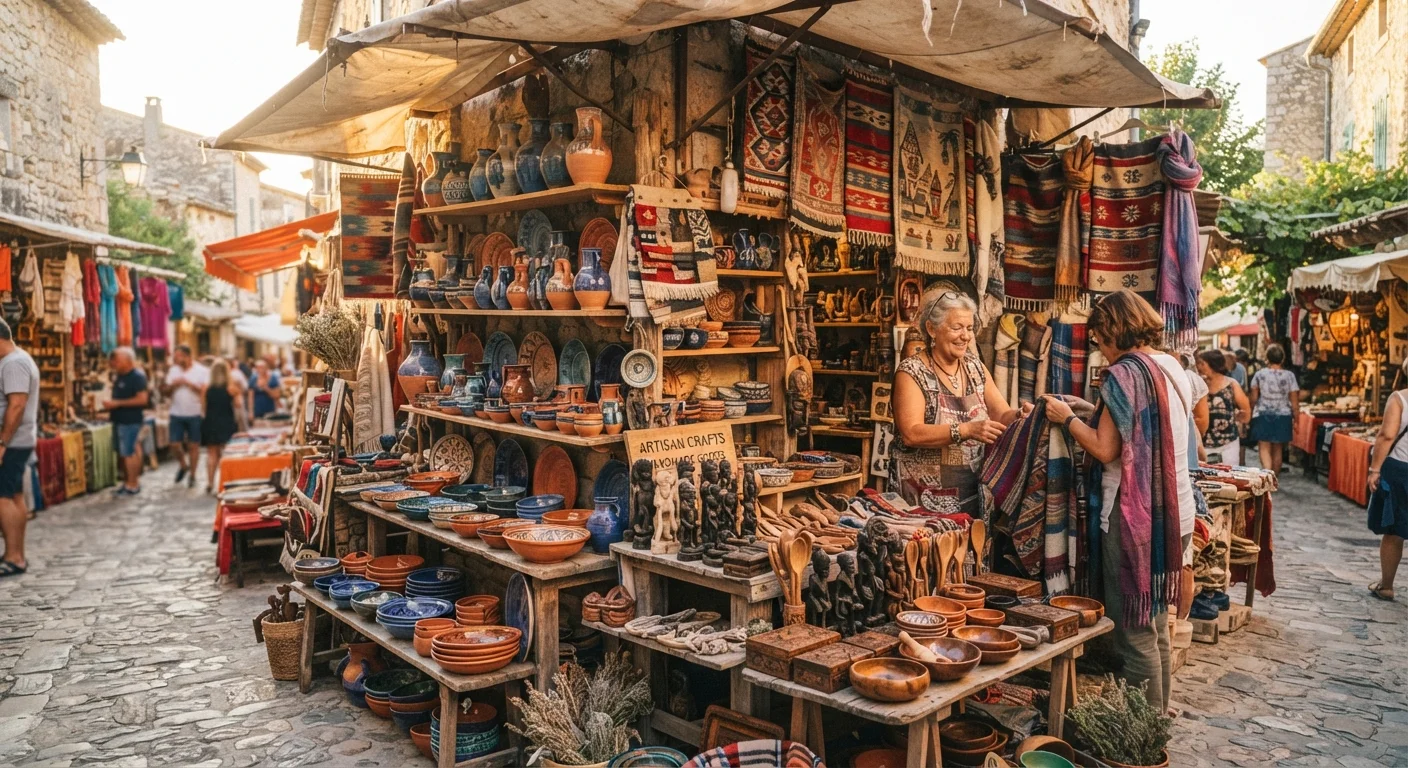
Photo: QuickAdvisor.net editorial
Key Takeaways
- Locally made souvenirs carry more cultural meaning than mass-produced tourist trinkets.
- A few simple checks at the point of purchase reveal whether an item is genuinely handcrafted.
- Asking vendors direct questions about origin and maker is both respectful and informative.
- Edible and consumable souvenirs can be just as meaningful as physical keepsakes.
- Buying directly from artisans puts money into the community you visited.
Why Most Souvenirs End Up in a Drawer
A snow globe that says "Paris" but was assembled in a factory overseas. A keychain you can't even remember buying. Sound familiar? The souvenir industry is enormous - and most of it is designed to move fast, not to last. The result is a market flooded with items that have no real connection to the place they claim to represent.
The problem isn't that you want to bring something home - that impulse is completely natural. Travel changes you, and you want a physical anchor for that feeling. The problem is buying on autopilot, reaching for whatever is closest to the exit of a tourist attraction. Many travelers miss what makes a place genuinely memorable for exactly this reason - they're moving too fast to notice the real thing.
A meaningful souvenir earns its shelf space. It holds a story you can actually tell.
What to Look for Before You Buy
You don't need to be an antiques appraiser to spot something genuinely worth buying. A handful of practical checks go a long way.
What you will need
Once you're standing in front of an item, run through these basic observations:
- Look for maker's marks or signatures. Hand-thrown pottery, hand-woven textiles, and hand-carved wood often bear subtle signs of individuality - slight asymmetry, tool marks, variation in pattern. Uniform perfection is frequently a sign of machine production.
- Read the label carefully. "Inspired by," "traditional style," or "made in " are all signals that the item isn't what the display implies. Look for "handmade in" with a specific region or village, not just a country.
- Ask where it was made. A vendor who made or sourced the item locally can almost always tell you exactly where it came from. Vague or evasive answers are worth noting.
For a deeper dive into assessing physical craftsmanship, these practical checks reveal a lot about durability and craftsmanship without any specialist knowledge.
Shop Early in Your Trip, Decide Late
How to Find the Good Stuff
The best artisan goods rarely sit in airport shops or on the main drag of a tourist district. Finding them takes a small amount of intention - and it's often the most rewarding part of the trip.
- Seek out neighborhood markets. Farmers' markets, weekend craft fairs, and neighborhood bazaars attract local makers who sell directly to residents. The prices are usually fairer and the provenance clearer.
- Look for cooperative shops. Artisan cooperatives - common in many parts of Latin America, West Africa, and Southeast Asia - pool goods from multiple local makers and often display creator profiles or photos alongside the work.
- Ask your accommodation. A locally owned guesthouse or boutique hotel usually knows exactly where residents shop. That kind of insider knowledge is worth more than any guidebook entry.
- Consider edible souvenirs. Locally produced honey, dried spices, specialty preserves, or small-batch spirits can be just as meaningful as a physical object - and they connect directly to a destination's food culture. Food is history, identity, and hospitality on a plate, and an edible souvenir brings that home literally.
If you have time, hands-on craft experiences create lasting memories - and sometimes you leave with something you actually made yourself, which is the ultimate keepsake.
Watch for Export Restrictions
Step-by-Step: Choosing a Souvenir You'll Actually Keep
Use this process the next time you're standing at a stall or browsing a shop. It takes only a few extra minutes and significantly improves the odds that what you bring home will actually mean something.
Wait at least 24 hours before buying anything
Give yourself time to notice what genuinely resonates versus what looks appealing in the moment. First-day purchases are often the ones you regret. Let the destination settle around you first.
Identify what story you want to tell
Before you buy, ask yourself: What will I say when someone asks about this? A good souvenir should have an answer ready. If you can't connect the item to a specific experience, place, or person, reconsider.
Ask the vendor directly about the item's origin
Simple questions work well: Who made this? Where? How long does it take to make? A knowledgeable vendor will light up answering these. The conversation itself often becomes part of the souvenir's story.
Check the item physically
Turn it over. Look for tool marks, hand-finishing, or slight irregularities that indicate handcraft. Check that materials feel appropriate - real wood, clay, or natural fiber rather than lightweight plastic or resin dressed up to look like something else.
Consider practicality and portability
Will it survive in your luggage? Is it something you can actually display or use at home? A beautiful piece of fragile pottery is worth planning around, but factor in what it takes to get it home safely before committing.
Buy it and document the moment
Once you've decided, take a photo of the stall, the maker if they're willing, or the surrounding context. That image paired with the object is what transforms a purchase into a genuine memory anchor.
The Ethics of Buying
Buying locally made goods is one of the most direct ways travelers can support the communities they visit. When money goes directly to an artisan rather than through a long retail chain, more of it stays in the local economy. That matters, especially in destinations where tourism is a primary livelihood.
A few things worth keeping in mind: some items - certain animal products, culturally sacred objects, or archaeological artifacts - may be illegal to export or ethically fraught to purchase. Before buying anything that seems unusual, it's worth asking questions and, if in doubt, skipping it. When you're unsure about customs rules or export restrictions, always verify with official government sources before packing anything in your bag.
Slowing down gives you time to shop thoughtfully rather than reactively - and that shift in pace changes everything about the experience.
The content on this site is for informational purposes only and is not a substitute for professional advice. Always consult a qualified professional for guidance specific to your situation.