
Slow Travel: What It Actually Means to Stay Instead of See

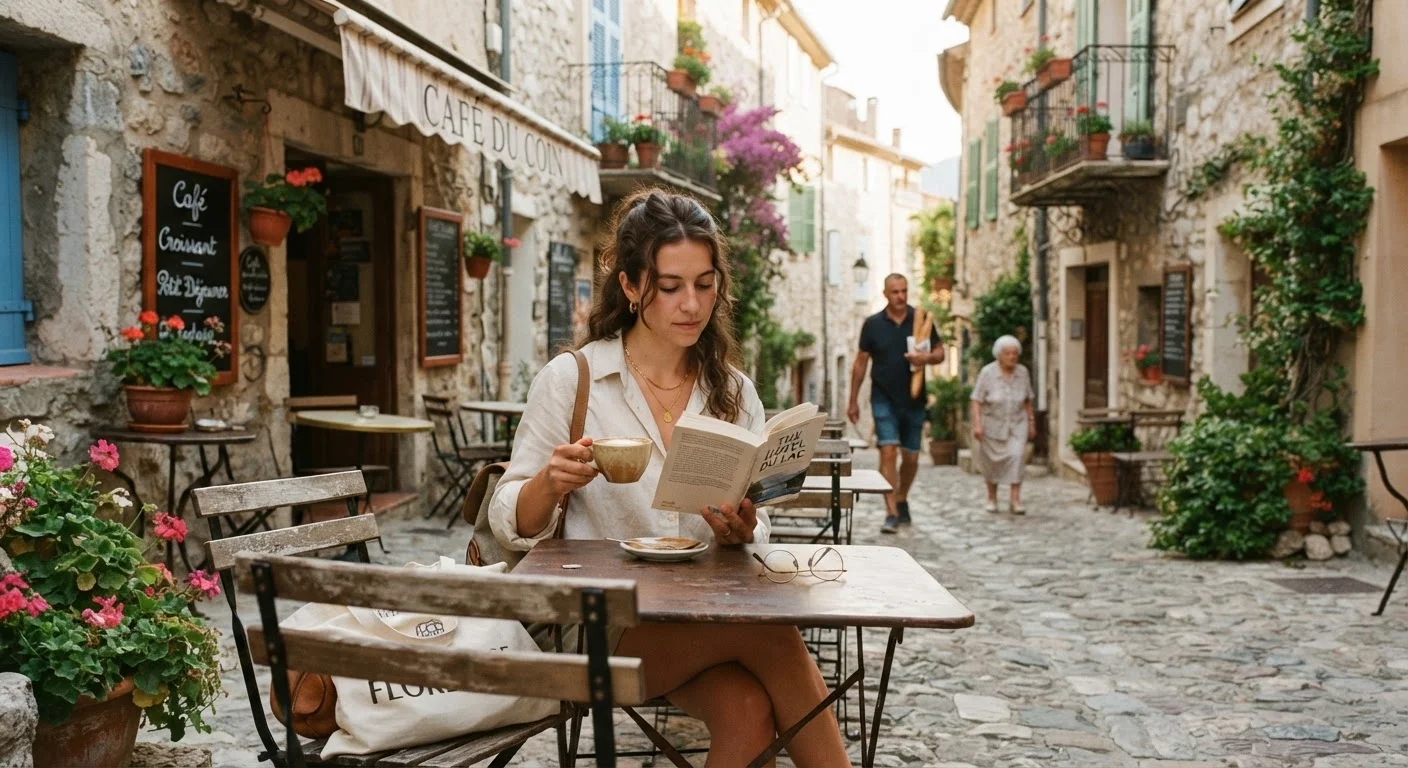
Photo: QuickAdvisor.net editorial
Key Takeaways
- Slow travel means spending more time in fewer places to experience them more deeply.
- It's defined by intention - choosing participation over passive sightseeing.
- Slow travel doesn't require a long trip; even a weekend can be approached this way.
- Local food, routines, and community are central to the slow travel experience.
- It contrasts with itinerary-heavy tourism but isn't inherently superior - it depends on your goals.
The Core Idea: Depth Over Distance
Most travel advice optimizes for coverage - how many cities, how many landmarks, how many countries in how many days. Slow travel flips that logic entirely. The question isn't how much can you see, but how well can you know one place?
In practice, slow travel means booking fewer destinations, staying longer in each, and resisting the itinerary pressure that turns trips into checklists. It means wandering the same streets more than once, finding a café you return to, learning which bakery opens earliest. These micro-routines are the texture that normal tourism moves too fast to notice.
This is why slow travelers often come home with fewer photographs of famous monuments and more memories of conversations, meals, and unexpectedly perfect afternoons. The landmark didn't move them - the place did.
“Tourists don't know where they've been; travelers don't know where they're going. The distinction is one of awareness - of being present in a place rather than consuming it.”
— Paul Theroux, American travel writer and novelist
What It Looks Like in Practice
Slow travel isn't one rigid formula. For some, it means renting an apartment in Lisbon for three weeks and treating the neighborhood like home. For others, it's spending an entire road trip week in a single national park region rather than cutting across four states. The shape changes; the spirit doesn't.
What consistently defines slow travel is participation over observation. You're not watching a place from the outside - you're joining its daily rhythm as a temporary participant. That often looks like:
- Shopping at a farmers market instead of a tourist gift shop
- Taking a cooking class with residents rather than a photo tour of the kitchen district
- Using public transit like a local instead of guided buses
- Saying yes to the thing a local recommends even if it's not in the guidebook
Immersive travel formats like multi-day classes and craft apprenticeships align naturally with this approach, turning passive sightseeing into something more memorable.
Start Small: Try One Slow Travel Day
How It Differs from Conventional Tourism
Conventional tourism and slow travel aren't morally different - they just serve different purposes. Touring a new country over ten days with a packed itinerary is a legitimate, enjoyable way to travel. But it optimizes for breadth, and breadth has costs: surface-level impressions, decision fatigue, and the oddly hollow feeling of returning home exhausted from your vacation.
Slow travel trades coverage for connection. You'll see less, but understand more. And because you're not sprinting between sights, you become more available to the unscripted moments that tend to define trips in retrospect.
Food is often where this contrast shows up most clearly. Meals can serve as a genuine lens for culture - but only when you have time to sit with them. Rushing through a restaurant to make the next museum visit collapses that potential.
If you're weighing different trip structures, it's also worth thinking through whether guided or independent exploration fits your style - see how guided tours compare to going solo for a fuller picture.
Is Slow Travel Right for You?
Slow travel suits some trips and some travelers better than others. If you're visiting a destination for the first time and genuinely want a broad overview, a more structured approach might actually serve you better. If you're returning somewhere - or have always wanted to live somewhere briefly rather than visit it - slow travel is worth building your trip around.
It also demands a different kind of flexibility. You need to be comfortable with unscheduled time, occasional boredom, and the possibility that nothing notable happens today - and that's fine. Not every traveler is wired that way, and that's okay.
63%
Travelers who prioritize experience over sightseeing
A travel industry survey by Booking.com found that a majority of global travelers reported wanting more meaningful, experience-driven trips over traditional sightseeing itineraries.
7+ nights
Average stay associated with slow travel style
Travel researchers generally characterize slow travel as stays of one week or more in a single location, as opposed to the 1-2 night average of itinerary-driven tourism.
If you travel with others, it helps to align expectations upfront. Group and solo travel each come with real tradeoffs, and slow travel can either harmonize a group or create friction if everyone's pace differs.
What slow travel consistently delivers - regardless of destination or duration - is the sense that you were actually somewhere, not just passing through. And for many travelers, that's exactly what was missing.
Frequently Asked Questions
The content on this site is for informational purposes only and is not a substitute for professional advice. Always consult a qualified professional for guidance specific to your situation.