
Planning a US Desert Trip: Heat, Hydration, and Timing Mistakes That Catch Visitors Off Guard

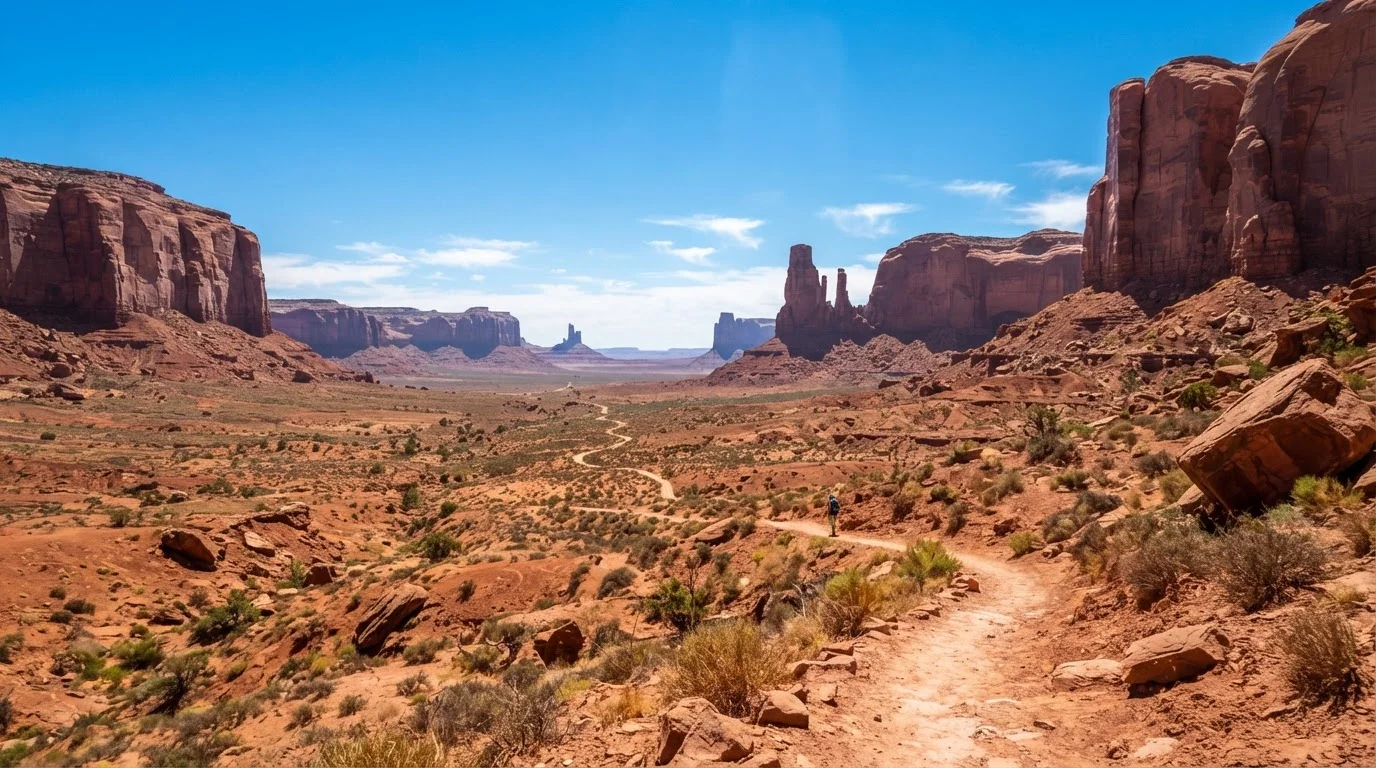
Photo: QuickAdvisor.net editorial
Key Takeaways
- Midday desert temperatures regularly exceed 110°F in summer, making morning starts essential for any hike.
- Most visitors underestimate water needs - rangers typically recommend at least one liter per hour of activity.
- Spring and fall shoulder seasons offer the safest and most comfortable desert travel windows.
- Cell service is sparse in many desert parks; downloading offline maps before arrival is critical.
- Flash floods can strike canyon areas with no warning, even under clear skies directly overhead.
Why Desert Travel Demands More Preparation Than Most Trips
The American desert - stretching across Arizona, Utah, Nevada, and New Mexico - offers some of the most extraordinary landscapes on the planet. Slot canyons, towering saguaros, ancient petroglyphs, and star-filled skies draw millions of visitors each year. But those same landscapes are uncompromising environments where heat, aridity, and remoteness can turn a planning gap into a genuine emergency.
This isn't about scaring anyone off. The Southwest rewards visitors richly when they go prepared. The problem is that standard trip-planning instincts - built around cities and mild climates - don't transfer to the desert. The missteps below are the ones that rangers, park staff, and search-and-rescue teams encounter most often. Avoid them and you're well ahead of the curve.
If you're building your desert itinerary from the ground up, the first-timer's trip planning roadmap is a practical starting point before layering in desert-specific considerations.
The Mistakes That Catch Desert Visitors Off Guard
Each of the errors below follows a pattern: the desert looks approachable until it isn't. Understanding why these mistakes happen is just as important as knowing how to sidestep them.
Starting hikes mid-morning or midday during summer months, when desert temperatures peak.
Carrying too little water - or relying on finding water sources along the trail.
Assuming cell service will be available for navigation or emergency calls.
Entering slot canyons or dry washes without checking the wider weather forecast for the region.
Wearing cotton clothing and open shoes on desert trails.
Underestimating driving distances between services - gas stations, food, and medical facilities.
Flash Floods Can Occur With No Warning
For a richer picture of what awaits once you're prepared, see our guide to the American Southwest's landscapes and culture - the region has far more to offer than most travelers realize.
Timing Your Desert Trip: The Seasonal Reality
130°F
Highest reliably recorded air temperature
Death Valley, California holds the record for the highest reliably recorded air temperature on Earth, according to the World Meteorological Organization.
~250
Annual search-and-rescue operations in Grand Canyon
The Grand Canyon National Park conducts roughly 250 search-and-rescue missions per year, with heat and dehydration among the leading contributing factors.
Choosing when to go is arguably the single most important desert planning decision. Summer (June through August) in places like Death Valley, the Grand Canyon's inner gorge, or southern Utah can see sustained temperatures well above 100°F with ground temperatures even higher. That's not a dramatic embellishment - it's a condition that the National Park Service flags with heat advisories and trail closures.
Spring (March through May) and fall (September through November) are widely considered the most accessible windows. Temperatures are moderate, wildflowers may be blooming in spring, and crowds - while still present at marquee parks - are more manageable. Winter visits are possible and can be strikingly beautiful, though some higher-elevation desert roads and facilities may close seasonally. Always verify current conditions and any permit requirements directly with the relevant park or land management agency before your visit.
Planning the driving logistics around your desert loop? The complete US road trip planning guide covers route selection and vehicle prep in detail.
The content on this site is for informational purposes only and is not a substitute for professional advice. Always consult a qualified professional for guidance specific to your situation.